

Samsung’s Galaxy line dominates billboards and tech blogs, but bigger marketing budgets don’t always equal better value. From rapid depreciation to pricey repairs, would-be buyers should weigh the hidden costs that come with the shiny bezelless screens. Below, we unpack four key drawbacks—resale, repair, software support, and gaming performance—so you can decide if the Galaxy really fits your galaxy of needs.
1. Welcome to the Hidden Costs

A flagship Galaxy often feels future-proof on launch day, yet it can lose hundreds in value before your carrier contract even ends. Depreciation affects every phone, but Samsung devices tend to plunge steeper and faster than comparable iPhones. Why? Annual model releases flood the second-hand market, and Android buyers worry about shorter software support. If trading-in or reselling helps fund your next upgrade, factor that weaker resale into the purchase price. What looks like a discount today may cost you more long-term when you can’t recoup much of your original outlay.
2. Sticker Shock at the Repair Shop
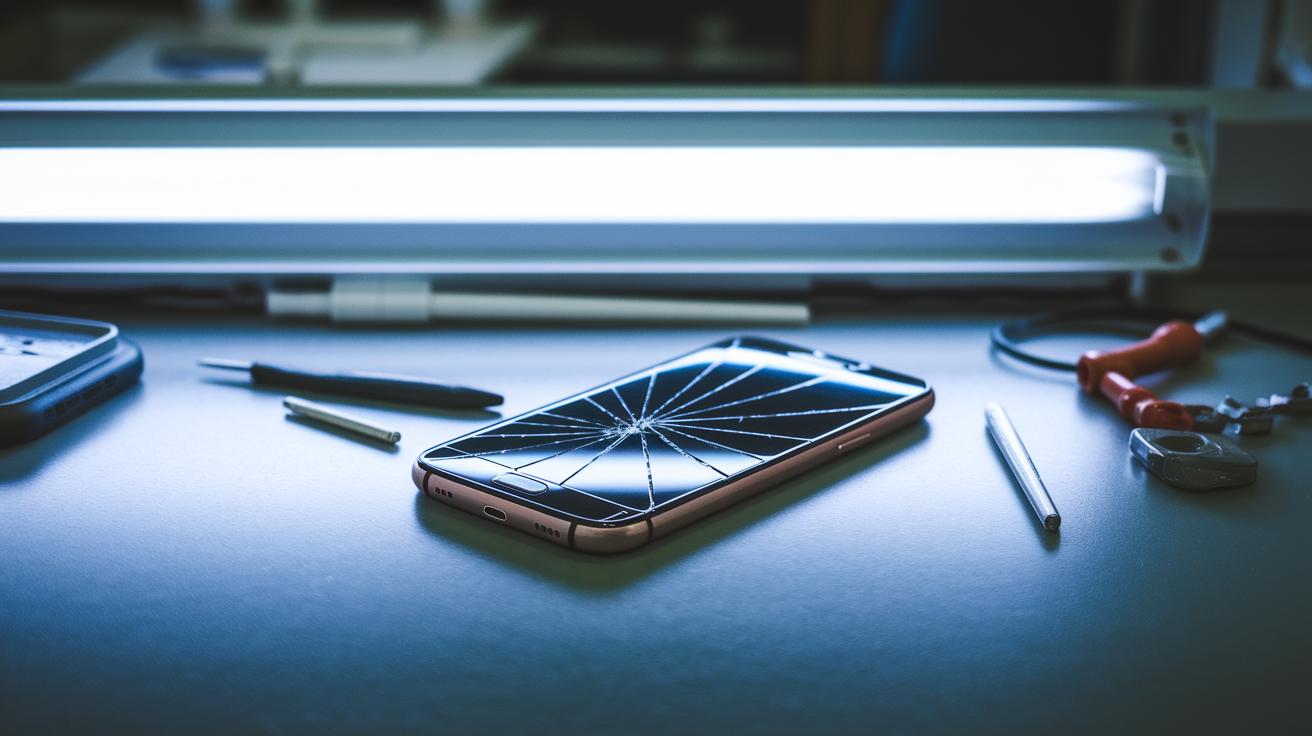
Samsung’s dazzling AMOLED panels are gorgeous, until they crack. Replacement screens can approach 40–60 percent of the phone’s original price, especially on curved-edge models where labor is delicate and parts are scarce. Many independent shops refuse Galaxy repairs because the adhesives, fingerprint sensors, and under-display cameras complicate the swap. That leaves you with Samsung’s own service centers, longer wait times, and premium fees. Pair a flimsy factory case with slippery glass backs, and you’ve got a high-risk recipe. Insurance can help, but premiums add up. In short, break the screen and your wallet may break, too.
3. Software Updates Don’t Last Forever

While Samsung has made strides with its newer four-year update pledge, legacy owners of the S6 through S10 family are stuck on aging Android builds. Out-of-date software isn’t just about missing emojis, it means unpatched security holes, incompatibility with new apps, and loss of resale value. Contrast that with Apple’s five-plus year support window, and Android loyalists may feel left behind sooner than expected. Custom ROMs exist, but flashing firmware voids warranties and frustrates casual users. If longevity is a priority, double-check the model’s update roadmap before tapping “Buy Now.”
4. Not Built for Marathon Gaming

Many Galaxy models boast vibrant 120 Hz displays and fast chipsets, yet sustained gaming can quickly throttle performance. Thin frames and limited vapor-chamber cooling mean the phone heats up, dimming the screen and slowing the CPU to prevent thermal damage. Add Samsung’s sometimes-aggressive battery optimization and you’ll notice frame drops during long sessions of Genshin Impact or PUBG Mobile. Dedicated gaming phones from ASUS and Lenovo include shoulder triggers, larger batteries, and beefier cooling systems, features Galaxy devices lack. Casual players may not care, but esports aspirants should think twice.
5. The Bottom Line for Buyers

Samsung phones still offer industry-leading cameras, vibrant displays, and slick design. For many, those strengths outweigh resale, repair, and gaming drawbacks. However, if you’re price-sensitive, plan to trade-in often, or demand iron-clad software support, these four caveats deserve serious attention. Shop around for deals, consider mid-range alternatives, and weigh the total cost of ownership, including potential repairs and resale losses, before swiping your card. In an era where smartphones exceed $1,000, a little homework today can save you hundreds tomorrow.