
Bigger screens and 5G speeds are great, but they come at a cost: battery drain. If you’re tired of carrying a power bank or hovering near wall outlets, you’ll want a phone that sips, not gulps, electricity. Twitter recently exploded with a cheeky list ranking six popular handsets from heroic to hopeless endurance. We dug beneath the tweet, checked spec sheets and real-world reviews, and added our own battery-saving tips to create a quick buyers’ guide. From a three-day marathoner to a fifteen-minute sprinter, here’s how the contenders measure up—and what that means for your everyday routine.
Redmi 3-Day Marathon Battery
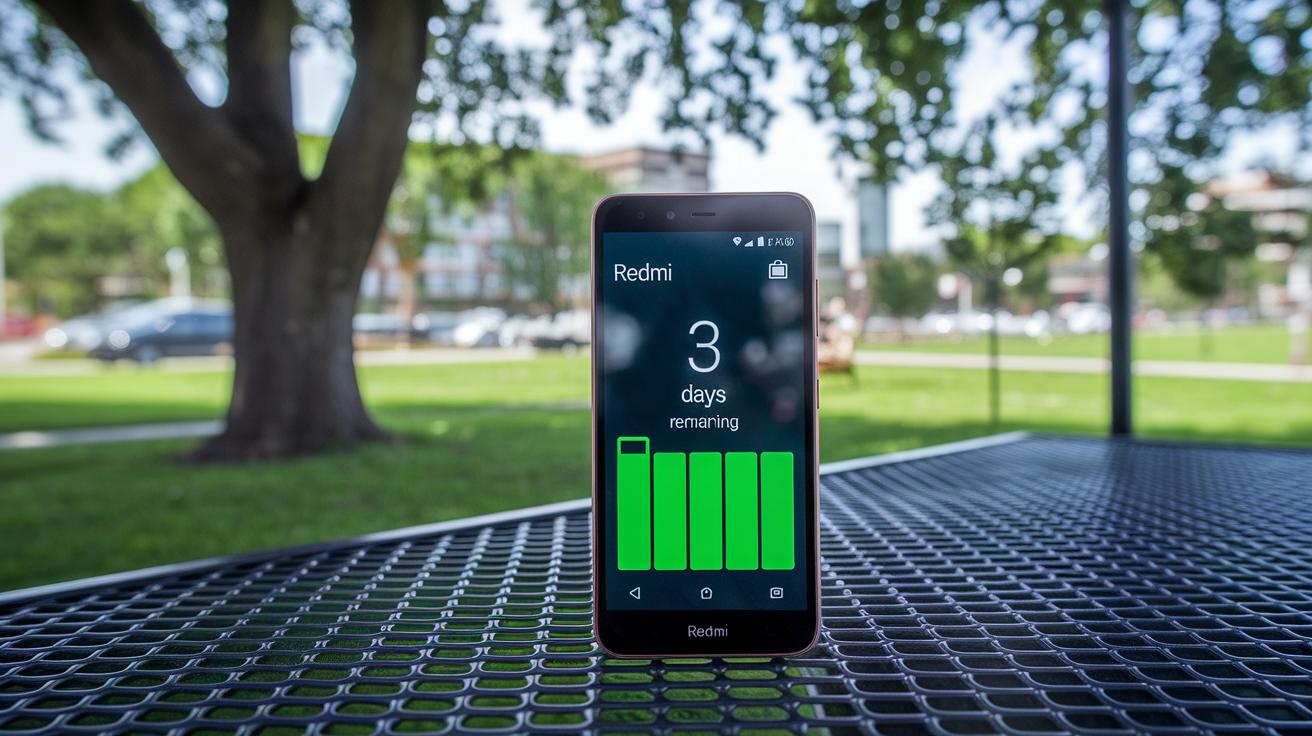
Redmi’s budget-friendly devices have quietly become battery life legends. The latest Redmi Note series stuffs in a massive 5,000–6,000 mAh cell, a frugal 6-nm processor, and MIUI’s deep-sleep software tricks. Result: users regularly log three full days between charges with moderate social scrolling, an hour of video streaming per day, Bluetooth earbuds and background location turned on. Fast 33 W charging tops the brick-sized battery in roughly 70 minutes, so even heavy gamers can recover during lunch. If your priority is longevity over flashy branding, Redmi delivers the rare freedom to forget your charger for an entire long weekend.
Infinix 48-Hour Workhorse
Infinix positions itself as the road warrior’s companion, pairing a 5,000 mAh battery with an ultra-efficient Helio G-series chip and an aggressively tuned XOS system. Field tests show around 8–9 hours of screen-on time, about two calendar days for most people who mix messaging, photography and navigation. The phone also offers 18–33 W quick charge, reverse charging to top up earbuds, and a special “Power Marathon” mode that squeezes six additional hours of standby from a meagre 5 % remaining. Travelers, ride-share drivers and students pulling all-nighters will appreciate knowing a single overnight plug-in can reliably last until the next one.
Samsung 48-Hour Flagship Stamina
Samsung’s flagships often grab headlines for cameras, but its mid-range Galaxy M and A lines are the true battery heroes. A chunky 6,000 mAh pack and Samsung’s adaptive power saving give realistic two-day endurance, even with a bright 120 Hz AMOLED panel. One UI learns your usage patterns, freezing seldom-opened apps and dimming at set times. Unlike some rivals, Samsung retains a polished software experience, water resistance and Knox security without sacrificing stamina. The supplied 25 W charger isn’t class-leading, yet still fills the cell in roughly 90 minutes. If you want long life wrapped in a big-brand ecosystem, look here.
Oppo 48-Hour Entertainment Champ
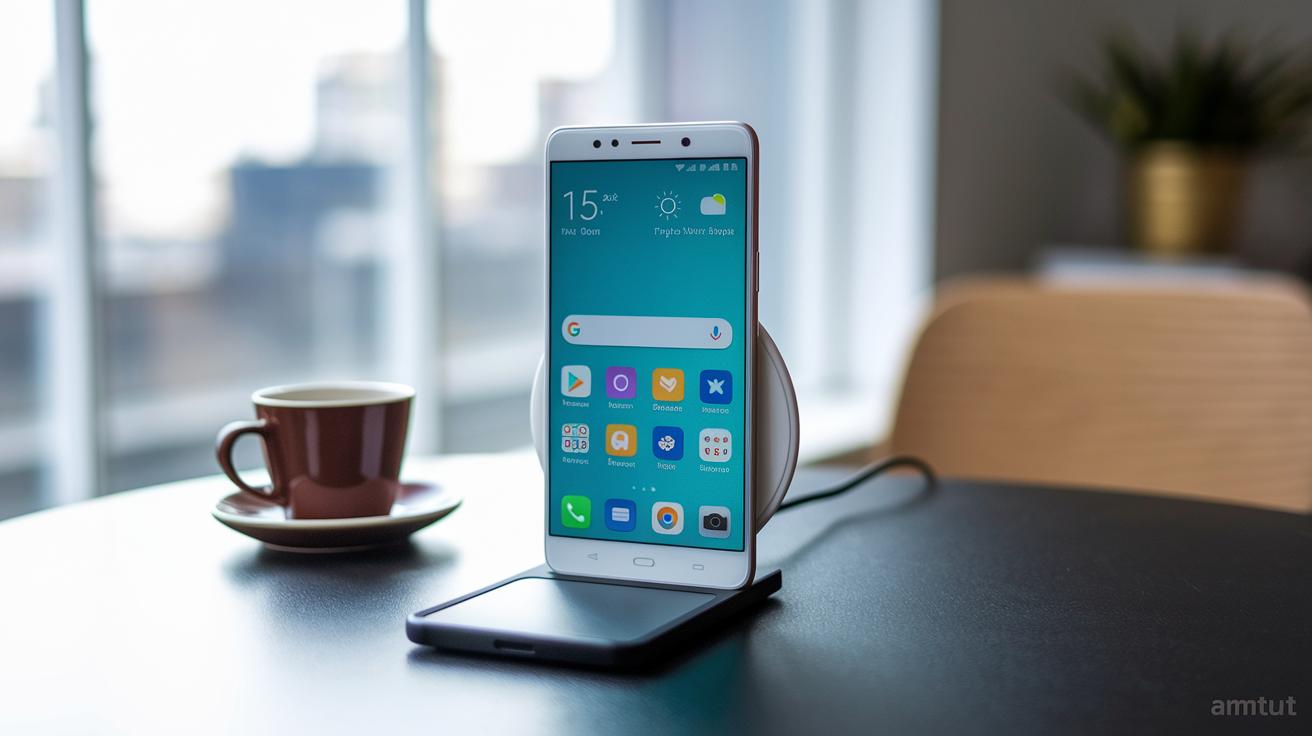
Oppo’s Reno and A-series may not shout about battery size, yet a smart combination of 5,000 mAh cells, power-frugal Snapdragon or Dimensity chips and ColorOS’s aggressive app hibernation nets an honest 48-hour run. The brand’s trump card is 67–80 W SUPERVOOC charging, blasting the battery from 0 to 100 % in just 35 minutes. That means even when you do hit red, a quick coffee break returns you to full strength. Gamers can switch on a frame-boost mode that optimizes voltage per scene, while the Battery Health Engine promises 1,600 cycles before capacity dips. Oppo proves endurance isn’t only about size.
Tecno 12-Hour Everyday Pocket Saver
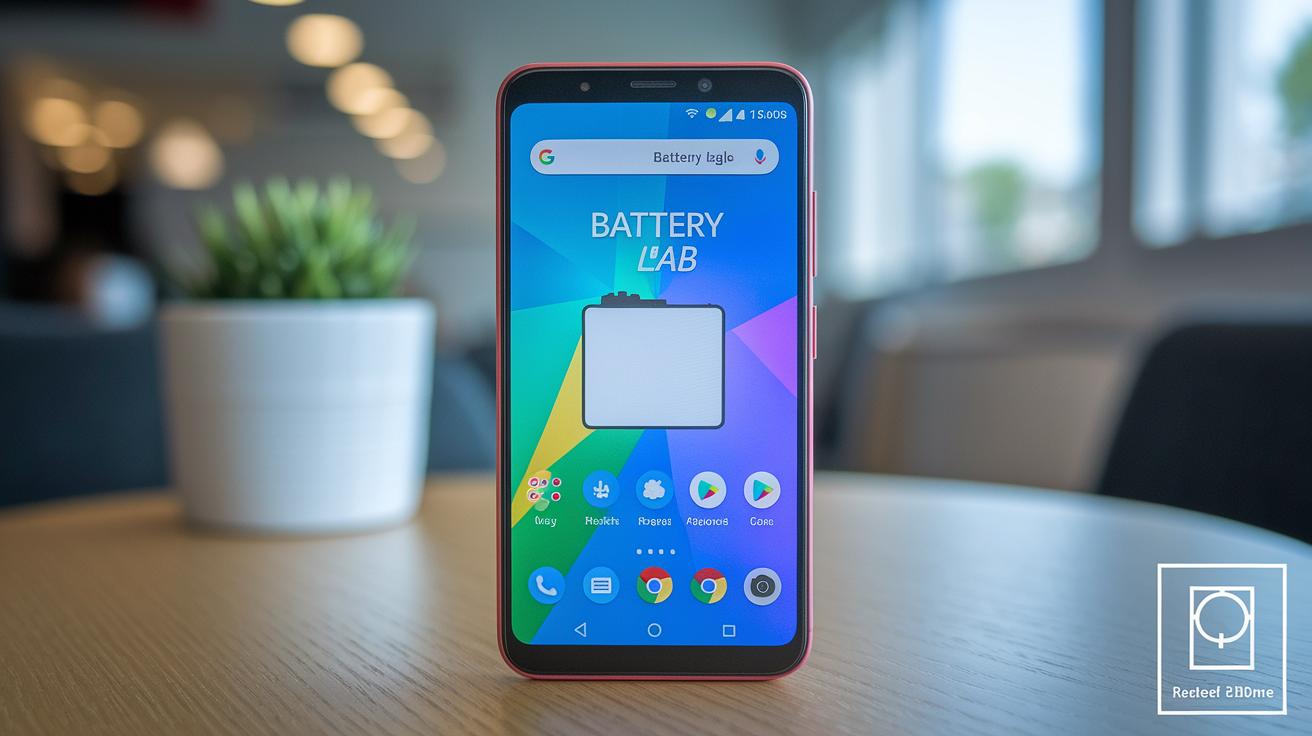
Tecno’s Spark and POVA lines come with a respectable 5,000 mAh battery, yet heavy custom skins and a bright, less-efficient LCD often limit real-world endurance to around 12 hours of mixed use. That’s still a full workday, but you’ll need an evening charge. On the plus side, Tecno equips 25 W flash charge and a unique “Battery Lab” mode that balances refresh rate and background data in one tap. Budget shoppers who stream lots of video will appreciate the large 6.8-inch display; power users, however, should pack a power bank. Think of Tecno as dependable daylight companion rather than marathon champ.
iPhone 15-Minute Quick-Charge Reality Check
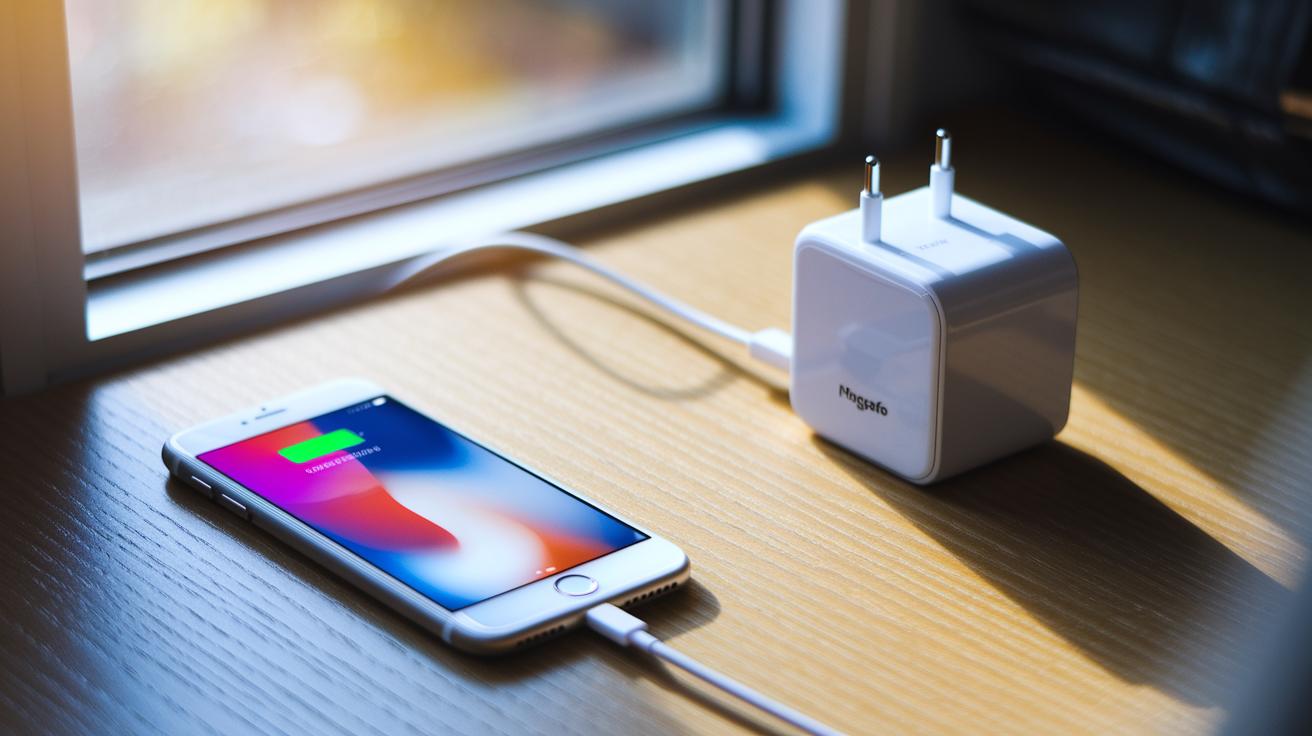
Apple’s iPhone has unmatched silicon efficiency, yet the smallish batteries of older models often drain fast under 5G and high-brightness use. The viral tweet exaggerates with a comedic “15-minute” jab, but models like the iPhone 14 still average 7–8 hours of screen-on time, roughly one long day for most users. Where iPhone truly shines is charging flexibility: 20 W wired, 15 W MagSafe, and a thriving ecosystem of certified power banks and cases. iOS 17’s new Standby mode and adaptive charging protect battery health overnight. If you live inside Apple’s walled garden, you’ll need discipline, and maybe a MagSafe battery pack, to stay untethered.