

Apple’s iPhone 16 lands in stores wrapped in the usual hype, but more than a few early adopters say the experience simply doesn’t match the price tag. A viral Twitter thread outlines the day-to-day frustrations: sluggish 60 Hz display, missing back gesture, no fingerprint sensor, and baffling software restrictions that feel frozen in time. Despite a blazing fast chipset and polished build, the phone falls short on network reception, storage, and camera versatility. We’ve pulled together the six biggest complaints from that thread to understand why some users think the ₹70 K sticker should actually read half that.
1. A Frustrating First Impression

First day with the iPhone 16 and the honeymoon ended quickly. Coming from a 120 Hz Android, the 60 Hz panel feels janky while scrolling social feeds or gaming. iOS still refuses to adopt a universal back-swipe, so even on a compact handset I’m forced to stretch for that top-left arrow. Everyday conveniences are missing: Wi-Fi and hotspot can’t run simultaneously, there’s no fingerprint reader, and long screenshots are still impossible. Typing is cramped without a number row, the file manager is rudimentary, and the camera delivers great portraits but struggles with zoom and green lens flare. At ₹70 K, that’s hard to swallow.
2. Great Hardware, Incomplete Experience

On paper the iPhone 16’s A18 chip and refined aluminium chassis look unbeatable, yet in daily use that muscle rarely flexes. Apple is still shipping a 60 Hz screen and slow USB 2.0 port, specs that entry-level Androids left behind years ago. Network reception is another sore spot: where my Galaxy S23 Ultra and budget Poco hold steady on 5G, the iPhone regularly drops to 4G. The same hotspot limitation returns, and the persistent green lens flare hasn’t been cured. Toss in 10-times slower WhatsApp photo uploads and only 128 GB of storage at this price, and the premium feels hollow.
3. Sticker Shock: Paying Flagship Prices for Mid-Tier Specs
Loyalists often argue that Apple’s pricing reflects quality, yet many observers see the brand tax widening. One reply points out that the hardware inside the iPhone 16 is closer to a ₹35-thousand Android handset, yet it’s sold for double that. A 60 Hz panel, USB 2.0 speeds and basic 128 GB storage feel mid-range in 2025, no matter how polished the chassis looks. Customers who spend ₹70 K expect cutting-edge connectivity, fast charging, and at least 256 GB out of the box. When those expectations aren’t met, the conversation inevitably shifts from excitement to sticker shock.
4. Same Software, Same Shortcomings
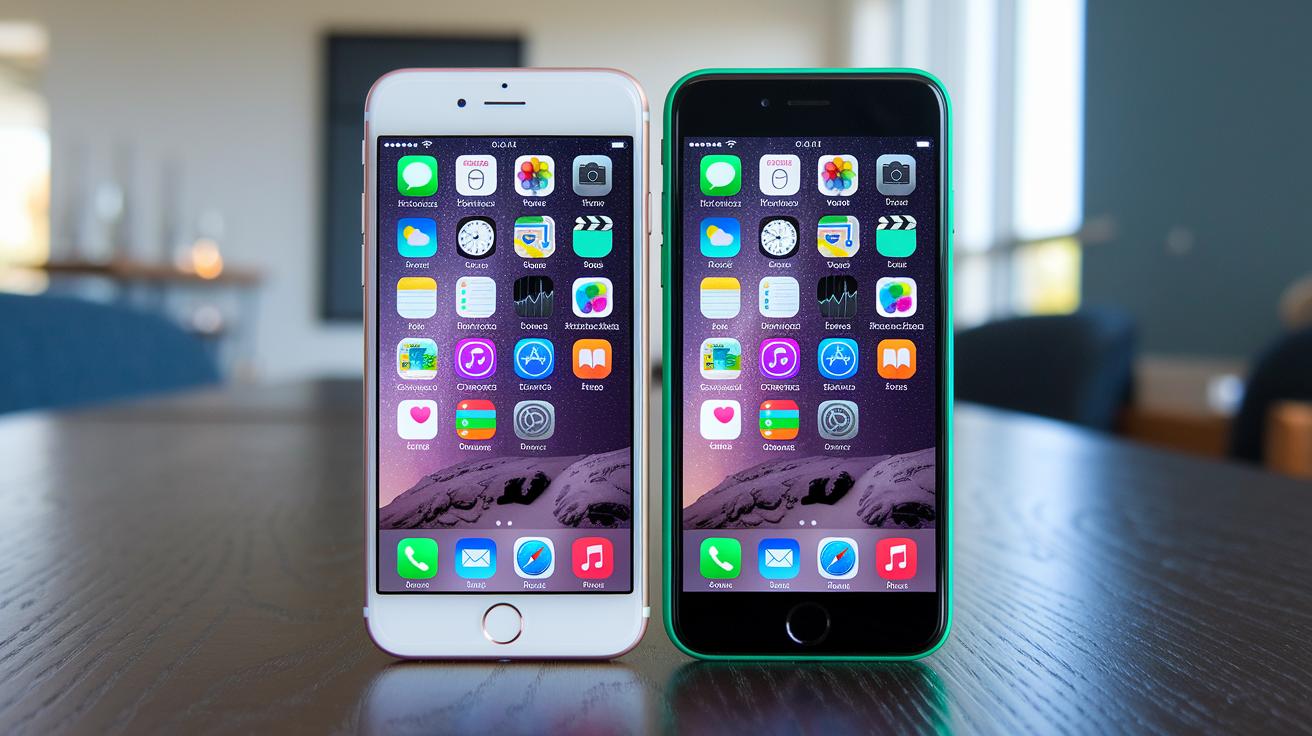
Another commenter reminds us that regardless of the variant you buy, regular, Plus or Pro, you’re still getting the same iOS limitations. Customisation remains sparse, multitasking is rudimentary, and Apple’s walled garden keeps useful third-party tweaks at bay. While Android skins evolve every year, iOS changes feel incremental, leaving power users hungry for more control. For people who rely on gesture navigation, split-screen apps, or advanced file handling, switching to iOS can feel like a downgrade. In short, the software experience doesn’t scale with the price tag; it’s identical whether you pay ₹70 K or half that.
5. Must-Have Features Still Missing in 2025
Defenders of the critique insist these are not luxury asks but baseline necessities for a modern flagship. A high-refresh display, side-mounted fingerprint reader, rapid file transfer via USB-C 3.x, and a competent file manager are table stakes in 2025. They also call for reliable network hardware, clear telephoto optics without intrusive lens flare, and seamless multi-task abilities like floating windows. When devices from Samsung, OnePlus and even sub-₹30 K brands check these boxes, buyers feel justified in asking why Apple still omits them. If you charge premium money, you must deliver a premium experience, simple as that.
6. The Hotspot Headache Continues

For remote workers the hotspot quirk is more than an irritation, it’s a deal-breaker. As one user notes, you can’t share a connection over hotspot while the phone is already on Wi-Fi, a feature Android has mastered for years. Worse, if mobile data is disabled you can’t even toggle the hotspot on, forcing an extra trek into settings. Travellers who rely on hotel Wi-Fi to feed their laptop or smart TV will find themselves tethering from a second device instead. In an era of constant connectivity, the inability to bridge networks feels embarrassingly behind the curve.