

Ever wonder if your online safety is really secure? Imagine a friendly guide that watches over your digital world, turning confusing data into clear advice. It works like a trusted security guard who keeps an eye on everything and alerts your team when something odd pops up.
This smart system helps your team act before a small issue becomes a big problem. In our chat, we'll explore how it protects both businesses and everyday users from cyber threats, building a safer online space for everyone.
Understanding Cyber Threats Intelligence Fundamentals

Cyber threats intelligence is all about gathering, checking, and sharing clear facts about real or possible cyber attacks. We take info from trusted sources and sort it out so your security team knows what to do, kind of like getting a heads-up when something feels off. Imagine an alert saying, "Suspicious login detected from an unfamiliar IP address." That quick note helps the team act fast to block any breach.
This process turns raw data into useful advice for both leaders and tech experts. It shows which threats could harm your systems and guides teams on how to lower the risk. Picture a security team carefully reviewing clear reports that highlight trends and pinpoint risky behavior. The details are simple, making it easy to decide when immediate action is needed or if a closer look is in order.
Cyber threats intelligence covers every part of your digital world. It digs into issues like malware, system weaknesses, and attempted hacks. By relying on standard data formats and trusted feeds, this approach cuts through the noise and alerts you to true digital danger. In many ways, it’s like having a silent guardian working to keep your data safe before you even notice a problem.
If you’re curious about more details, check out the "Cyber Threats Definition" resource. This smart process not only triggers real-time alerts but also builds a clear view of the threat landscape, ensuring every alert is backed by reliable, well-checked information.
Cyber Threats Intelligence Lifecycle: From Planning to Feedback

The cycle starts with planning. In this phase, your team sets clear questions and priorities to spot potential cyber dangers. It’s like drawing a map before a big road trip, knowing the way makes the journey smoother.
Next, you gather data. Think of it as collecting puzzle pieces from logs, online feeds, and trusted sources. Without enough pieces, you just can’t see the full picture.
Then, you organize the data. Raw details get turned into neat, labeled groups so you can tell what really matters. For instance, unusual file behavior is sorted and tagged, making it easier to spot known threats.
After that comes analysis. The team reviews the organized data like a detective looking for clues. Trends and markers are identified, helping to decide which pieces signal a real risk.
The next step is to share the findings. Actionable advice is passed along to IT staff and decision-makers through clear, simple reports. An example might be an alert saying, "A high-risk IP was found near our server network."
Finally, feedback wraps up the cycle. Everyone reviews the outcomes and suggests improvements, making sure each lesson refines and strengthens all previous steps. This way, every bit of raw data becomes a sharp tool to guard your digital future.
Categories of Cyber Threats Intelligence: Strategic, Tactical, Technical, Operational Insights

Cyber threat intelligence comes in four clear flavors that help teams stay one step ahead. Breaking things into these groups makes it easy for everyone, from busy leaders to hands-on tech experts, to spot issues and act fast.
Strategic intelligence looks at long-term trends and patterns. It’s like getting a high-up view of the digital landscape, showing business leaders what threats might be building up over time. Think of it as reading a report that highlights attack trends over several months, helping shape policy and budget decisions.
Tactical intelligence dives into the details of how attackers work. It explains the tricks and techniques used during an attack. Imagine getting an alert that says, "Several unusual login attempts suggest a brute force attack." This kind of insight guides teams on where to strengthen defenses immediately.
Technical intelligence is all about the nitty-gritty. It gives precise details like malware signatures or unusual file hashes. Picture receiving a data snippet: "Malware signature XYZ spotted in incoming files." This clear information helps tech teams quickly identify, block, and remove any bad actors.
Operational intelligence focuses on what’s happening right now. It pulls in real-time data from sources like social media mentions, antivirus logs, or internal alerts. For example, you might notice, "A sudden spike in network traffic indicates something fishy." This immediate snapshot helps teams react quickly and adjust their security measures on the fly.
By sorting cyber threats intelligence into these four groups, organizations can build a layered security strategy. Whether you’re planning for long-term trends or watching for immediate risks, each category offers the right level of detail, from broad insights that guide policy to real-time alerts that trigger quick responses.
Critical Tools and Platforms for Cyber Threats Intelligence Operations
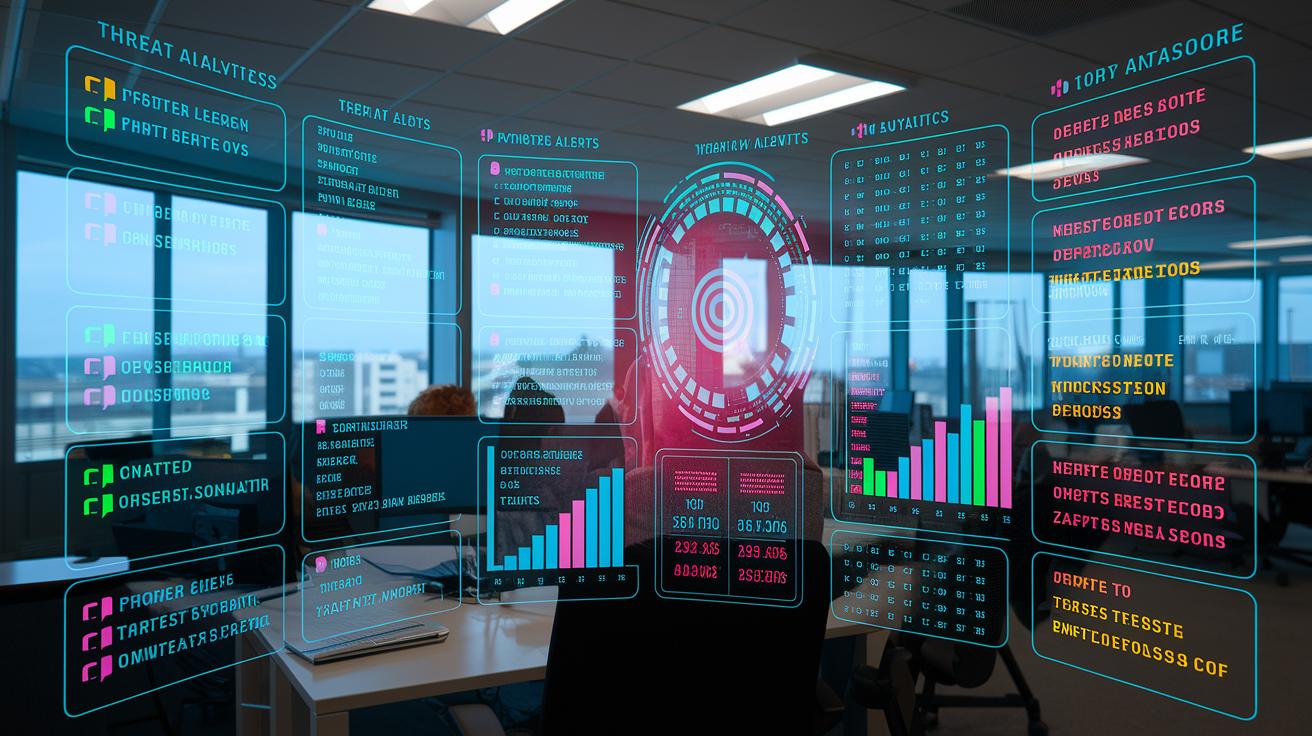
Threat intelligence feeds give you a constant stream of info about malware, zero-day bugs, and botnets. Imagine getting an alert that says, "Suspicious file behavior noticed on system X," which prompts your team to check it out right away. These feeds pull data from open sources and public databases, giving you a wide view of potential risks.
A threat intelligence platform gathers all this information and turns it into easy-to-read visuals. Picture a dashboard that lights up with colorful signals when an attack pattern is spotted. These platforms merge data from many sources so that complex details become clear. For instance, Exabeam Nova uses smart AI to spot and respond to threats in both cloud and on-premises environments. It combines SIEM, UEBA, and SOAR to keep your systems safe and monitor insider risks.
Key features to look for in these tools include:
- Integration with your internal systems like firewalls, antivirus software, and user behavior monitors.
- Visualized data that’s simple to understand, even when things are hectic.
- Support for both open-source and proprietary feeds to keep the threat view broad.
These technologies work together to give your team a clear and actionable view of cyber threats. They mix real-time data with advanced analytics to spot risks and guide quick, confident action, ensuring your digital defenses stay sharp.
Integrating AI-Powered Risk Analytics and Security Anomaly Detection in Cyber Threats Intelligence

Modern tech tools like machine learning and AI help teams notice even subtle changes in network behavior that may hide threats. Imagine your security dashboard suddenly lighting up, much like a warning light before a storm hits. These systems watch over everyday operations and alert you when something seems off, pointing out potential weak spots in your digital space.
Using AI-powered risk analytics lets your system handle huge amounts of data in a flash. For instance, it might pop up a message saying, "Alert: Unusual login behavior detected," so your team has time to check things out and stop any suspicious access. This proactive method speeds up threat detection and helps stop small issues from growing into bigger problems.
Security anomaly detection looks at normal network patterns and then spots anything that doesn’t fit. It compares today’s data with past trends to quickly flag unusual activity. By mixing cyber threat intelligence insights with automated tools, you avoid getting swamped by too many false alerts. With these smart, context-aware alerts, your team can instantly see which events need a quick fix and which ones can wait, keeping your operations running smoothly.
This smart blend of advanced analytics and automated responses creates a defense that’s both agile and effective, ready to tackle every digital threat with quick and thoughtful action.
Best Practices and Strategic Defense Planning with Cyber Threats Intelligence

It all starts by picking the right sources for threat data. Your team should mix internal logs, outside feeds, and join in communities that share threat information. For example, try to gather data regularly from different channels like ISACs so your view stays fresh.
Once you have the data, organize it in a way that makes sense. Use familiar formats like STIX/TAXII that help arrange every detail neatly. Think of it as putting books on a shelf, each piece of data finds its proper spot, making trends and risks easier to spot.
Next, weave CTI insights into your current security tools such as firewalls, EDR solutions, and SOAR platforms. This smooth integration helps turn analysis into quick, real-time actions. Here are a few tips to make it work well:
- Use automation to link CTI data with your defense measures.
- Regularly update and improve your threat intelligence based on feedback.
- Keep everything in line with compliance and regulatory rules so you’re always ready.
By taking these steps, your defense planning moves from just reacting to threats to being an active, evolving process. Imagine receiving an alert and quickly matching it with a standardized database, this fast response keeps your digital assets and sensitive info safe.
Case Studies and Emerging Risk Trends in Cyber Threats Intelligence
One clear example is the "Mark of the Web" study. Researchers uncovered that attackers can twist container files and tweak hidden metadata to sneak past security checks. Imagine getting a quick alert that says, "File alteration detected; please review now." That simple message helps tech teams quickly spot odd behavior and keep crucial systems safe.
Our MS-ISAC CTI team has been fine-tuning its process for state, local, tribal, and territorial groups. They adjust everything, from asking the right questions to collecting info from various sources. This study shows that flexible methods lead to smarter decisions. Real-world training turns abstract data into clear, actionable steps.
Lately, we’re seeing more cloud-based analytics in use. Today's security setups blend live monitoring with smart data analysis to keep up with fast-changing threats. Picture a dashboard that updates in moments, showing trends as they emerge. This proactive move helps reduce downtime and bolsters digital defenses.
Since June 23, 2025, MS-ISAC switched to a fee-based membership setup. This change has altered how organizations get timely threat reports. Many have started exploring other CTI resources, sparking fresh innovations in threat intelligence platforms and automated response systems. Now, profiling adversaries is a key part of turning raw data into helpful alerts that guide teams on what to expect.
All these case studies and new trends show how cyber threat intelligence can turn abstract figures into sharp tools for digital defense. By learning from real incidents and current risk patterns, organizations arm themselves with the insights needed to act fast and safeguard their digital future.
Final Words
In the action of applying cyber threats intelligence, we saw how its core principles, lifecycle stages, and different categories fuse to protect our digital lives. Each tool and process, from AI-powered risk analytics to strategic defense practices, plays a role in turning raw data into clear insights. The case studies remind us that real-world challenges spark practical solutions. Taking these steps can help build a secure digital presence and make navigating the digital world safer and more confident.
FAQ
Cyber threat intelligence PDF
The cyber threat intelligence PDF explains the basics of threat intelligence, detailing its methods, lifecycle stages, and categories to help teams understand and mitigate potential cyber risks.
Types of threat intelligence
The types of threat intelligence are strategic, tactical, technical, and operational, each focusing on different aspects of threat analysis to provide valuable insights for decision-makers and technical teams.
Threat intelligence examples
Threat intelligence examples include indicators like malware signatures and attacker tactics, as well as data from social media and logs that support analysis and proactive defense strategies.
Cyber Threat Intelligence jobs
Cyber Threat Intelligence jobs involve collecting, analyzing, and sharing threat data, with roles found in security operations centers and specialized teams focused on protecting organizations from cyber risks.
Cyber threat intelligence Analyst
A cyber threat intelligence analyst tracks emerging threats, analyzes patterns, and produces actionable reports, thereby helping security teams better understand and defend against cyberattacks.
Operational threat intelligence
Operational threat intelligence offers short-term, real-time context on active threats by using current data from various sources, allowing teams to quickly address and mitigate risks.
Tactical threat intelligence
Tactical threat intelligence outlines the methods and techniques used by attackers, providing technical teams with actionable details to adjust defenses and counter evolving cyber threats.
Cyber threat intelligence lifecycle
The cyber threat intelligence lifecycle covers planning, data collection, processing, analysis, dissemination, and feedback, ensuring that raw data is transformed into actionable intelligence for risk management.
What is cyber threat intelligence?
Cyber threat intelligence is the process of gathering, analyzing, and sharing data on current or potential threats, which enables organizations to protect their digital assets more effectively.
What are four types of cyber threat intelligence?
The four types of cyber threat intelligence are strategic, tactical, technical, and operational, each serving distinct purposes ranging from high-level trends to specific technical indicators.
What is cyber threat intelligence in SOC?
Cyber threat intelligence in a SOC enhances detection and response efforts by supplying timely, actionable insights that guide security operations and strengthen overall defenses.
What is the salary of threat intelligence in cyber security?
The salary for threat intelligence roles in cybersecurity varies widely, with competitive pay reflecting the level of experience, specific role responsibilities, and regional market standards.