

Ever wondered if a tiny opening could put your digital safety at risk? SIEM cyber security offers a new way to keep break-ins at bay. It works like a puzzle expert, piecing together logs from apps and networks to give you a clear view of your security. This smart system catches odd events early so you can act before any trouble grows. In this post, we'll chat about how SIEM creates a strong shield to keep your data safe and boost your overall cyber defense.
SIEM Cyber Security Sparks Reliable Resilience
SIEM systems serve as the central hub for an organization’s digital security. They gather logs from computers, apps, network devices, and antivirus programs, giving you a live snapshot of what’s happening. Imagine a dashboard that instantly alerts you when something unusual, like an odd login, occurs.
These platforms work like a digital puzzle master. They pull data from many places and arrange it in a clear, uniform way. One piece of data might seem small, but when combined with others, it reveals hidden patterns that could signal a threat. This steady monitoring helps spot problems early, so you can act before they escalate.
Another neat feature is their automated alert system. SIEM tools filter out everyday, harmless events and only spotlight the warnings that really matter. This keeps security teams from getting bogged down in noise and lets them address real issues quickly.
SIEM also simplifies staying on top of rules and regulations. It stores every event in a permanent record that makes audits and compliance checks less stressful. Plus, it can mix in external threat data to compare with your logs, boosting its ability to detect risks. This all works together to build a solid, practical defense that keeps digital threats at bay.
SIEM Architecture and Core Components in Cyber Security

Modern SIEM platforms begin by gathering logs from all corners. Every endpoint, server, or cloud service sends a short security note safely to a single, central hub. Think of it like a busy call center collecting messages from every department.
Next, data normalization comes into play. This step takes those varied messages and turns them into one common format everyone can understand, almost like translating different languages into one shared tongue.
Then, advanced event correlation digs even deeper. It groups these standardized entries to spot hidden threat patterns. Picture a flurry of failed logins paired with odd location data; that combination might signal a brewing attack.
Finally, modern SIEM uses dynamic alert prioritization to rank warnings. By checking past trends and threat details, it helps decide which alert is the most urgent, like a flashing signal that pops up when something serious needs attention.
| Core Component | Advanced Aspect |
|---|---|
| Centralized Log Collection | Secure transport of logs from all sources |
| Data Normalization | Uniform formatting for diverse logs |
| Event Correlation | Deep analysis using multiple data points |
| Alert Prioritization | Historical and threat intelligence integration |
Real-Time Log Analysis Techniques for SIEM Cyber Security
SIEM systems rely on watching logs in real time to catch hidden dangers. As logs stream in from servers, endpoints, and cloud tools, smart parsing techniques break each entry into clear, simple parts. Even one login error might not sound the alarm on its own, but a group of similar issues can be a warning sign.
The system groups these parsed events using event correlation algorithms. Imagine several endpoints showing strange login activity all at once. The system connects the dots like matching puzzle pieces. Sometimes, even a few minor alerts in a small company might add up to something suspicious.
Another important tool is anomaly detection. The system learns what normal activity looks like so it can spot anything unusual. By comparing current log data with past patterns, it catches out-of-the-ordinary actions that might otherwise hide in the background.
To cut down on false alarms, flexible alert rules only trigger warnings when events come together in a suspicious way. This automatic alert system lets security teams focus on real threats rather than sifting through everyday log details.
Threat Detection and Incident Response in SIEM Cyber Security
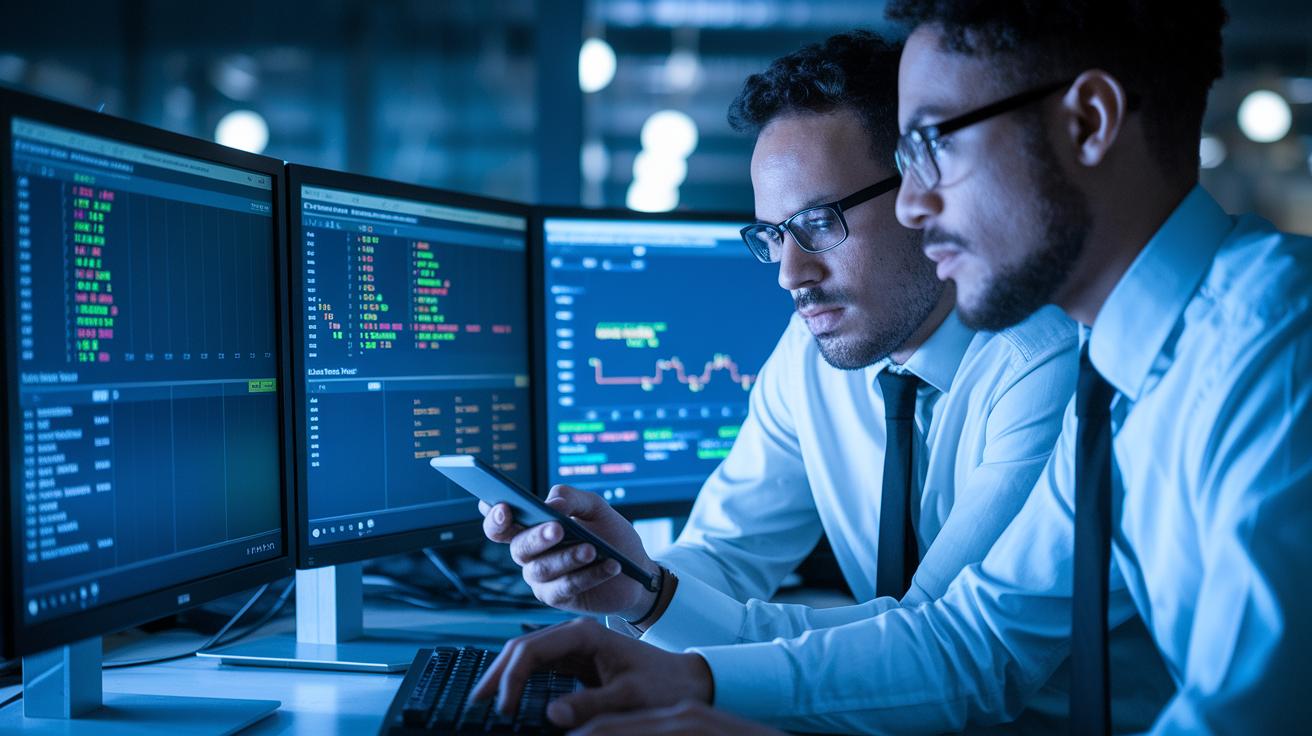
SIEM platforms work like trusty night watchmen, always on duty. They look for unusual actions by checking data in real time. Imagine a system that immediately notices strange logins or sudden file accesses, it’s like having a quick-thinking guard who spots trouble early. These tools mix custom alerts with clues from related events, piecing everything together like a puzzle.
When something odd pops up, automated response tools jump into action. They run ready-made steps to check the alert and even start stopping the threat. For example, if a pattern of strange events appears, the system might automatically lock down affected areas while telling the security team. This smart move helps stop attackers quickly and cuts response time nearly in half compared to older ways.
Clear, visual dashboards give teams a big picture of what’s happening. These displays show detailed info on every alert, using data from inside systems and trusted outside feeds about cyber threats. Security staff can easily spot which network parts are at risk and choose between an automatic fix or a closer look.
By blending real-time checks, smart detection, and fast response actions, SIEM systems make sure no problem slips through the cracks. Every alert turns into a clear plan of action, keeping digital spaces safer all day and night.
SIEM Cyber Security Implementation Best Practices
Begin by jotting down every log source you use, whether it's on your own servers or in the cloud. List each endpoint, server, network device, and application like you're writing names on a guest list for a secure event. This detailed inventory forms the backbone of your SIEM setup.
Next, plan your deployment to grow along with your business. Choose cloud-native or hybrid architectures that adapt as you expand. Instead of flipping a switch on everything at once, roll out your SIEM in manageable steps, testing and improving each stage. Think of it like building a strong wall brick by brick.
Also, set clear roles within your security team. When everyone knows their responsibilities and escalation paths, managing alerts becomes a lot simpler and less stressful during critical times. Tweak your alert rules to cut out the noise and focus on real threats. Finally, align your SIEM with compliance standards like PCI DSS and GDPR. With these practices, you're building a scalable defense system that keeps your digital world safe and resilient.
Comparing Leading SIEM Cyber Security Solutions

Splunk Enterprise Security is one of the top SIEM tools thanks to its advanced analytics that give you real-time insights into network events. It’s often highlighted in Gartner reviews because of its strong market share and deep analysis. Think of Splunk like a high-powered engine that rapidly processes huge amounts of log data. It’s a popular choice for teams that need solid enterprise cyber intelligence.
Exabeam Fusion SIEM takes a different approach by mixing AI-driven user behavior analytics (which helps monitor how users act online) with SOAR tools that automate security tasks. Its Exabeam Nova feature can reduce alerts by 60% and cut investigation times by 80%. Imagine a well-tuned tool that filters out the noise to focus on real threats, lightening the load for security teams and boosting detection efficiency.
If you’re looking at open-source options, OSSIM offers a flexible, community-backed alternative with core security functions. It might not have all the advanced features of Splunk or Exabeam, but it provides a cost-effective way to build a basic security event management system.
Each solution shines in its own way. Whether you need next-generation security analytics, robust intelligence systems, or an integrated cyber defense framework, you can find a tool that fits your security needs in today’s ever-changing threat landscape.
Future Trends in SIEM Cyber Security and AI Integration
SIEM is quickly turning to cloud-native designs that make systems both flexible and scalable. Today’s SIEM platforms use AI and machine learning to automatically gather, sort, and improve log data, like watching a messy jumble turn into a neat stream of useful info ready for action. Picture a system that takes tangled data and transforms it into clear, useful alerts, like fitting puzzle pieces together.
Behavioral analytics now play a big role in spotting insider threats and unusual activities. These systems learn what normal user behavior looks like, so when something feels different, it quickly raises a flag, as if a teacher notices when a student suddenly isn’t acting like themselves. This smart comparison with past actions helps catch potential issues fast.
Another trend is the merging with extended detection and response platforms. This integration connects data from many security tools into one friendly control center. Imagine a hub that not only sees every alert but also guides you to the ones that need attention right away. As SIEM systems team up with unified response tools, they help keep defenses fast, smart, and ready to handle any threat that comes along.
Final Words
In the action, we dove into SIEM fundamentals, core architectures, and real-time log analysis techniques that keep your digital presence secure. We explored how automated alerting, threat detection, and incident response workflows create a safer environment for your data.
We also examined best practices for implementation, compared leading solutions, and looked at future trends in siem cyber security. The insights shared empower you to strengthen your account management while staying ahead in digital privacy. Enjoy the secure path ahead.
FAQ
Frequently Asked Questions
What is SIEM in cyber security?
The SIEM in cyber security refers to Security Information and Event Management. It collects logs from various sources and uses real-time analysis to detect, analyze, and respond to threats.
How does SIEM work?
The SIEM mechanism works by gathering log data from devices and applications, then correlating events in real time to spot unusual activity and help teams respond to potential risks.
What is the difference between a SIEM and a SOC?
The SIEM vs SOC distinction is that SIEM is a tool for collecting and analyzing security data, while a SOC (Security Operations Center) uses SIEM and other processes to oversee and manage security operations.
What are some examples of SIEM tools?
The SIEM tool examples include Splunk Enterprise Security, Exabeam Fusion SIEM, and OSSIM. These platforms offer real-time alerting and advanced analytics to support efficient security monitoring.
Is a SIEM the same as a firewall?
The SIEM in cyber security is not a firewall. It doesn’t block traffic; instead, it monitors and analyzes information to identify threats, while firewalls filter and control network traffic.
What types of SIEM systems exist?
The SIEM types range from enterprise-grade platforms like Splunk and IBM QRadar to open-source options such as OSSIM, each offering varying features and capabilities suited to different organizational needs.
What do SIEM cybersecurity jobs and salaries involve?
The SIEM cybersecurity roles involve monitoring and analyzing security events with SIEM tools. Salary ranges vary by location, experience, and company, often offering competitive compensation packages.
What does a SIEM tutorial cover?
The SIEM tutorial explains steps from setting up log collection and configuring alerts to detecting threats. It provides hands-on guidance for managing security incidents effectively.
What SIEM services and vendors are available?
The SIEM company and vendor ecosystem includes providers like Splunk, Cisco, and SolarWinds. They deliver solutions that integrate with existing IT systems for effective threat detection and rapid incident response.
Can SIEM software be downloaded?
The SIEM download option is available for select open-source tools, while enterprise solutions typically require contacting vendors for trial versions that offer robust features for strong security measures.