

Have you ever asked yourself how companies stay ahead of digital threats? Picture a room where cybersecurity experts work day and night, watching over your data like a caring guardian. This room is called a security operations center. It’s where skilled professionals check computer systems, understand warning signals, and stop risks before they grow into big problems.
Today, we look at how these centers help keep businesses safe by catching issues early and speeding up responses. Think about it, keeping a close watch on your digital world might just protect what matters most.
Understanding the Security Operations Center: Definition and Core Functions
Imagine a hub where dedicated cybersecurity experts work 24/7 to protect your digital world. A Security Operations Center, or SOC, is just that, a place where professionals watch over networks, systems, and valuable data, much like a vigilant night patrol.
These experts keep a close eye on a constant flow of logs and alerts from many sources to catch any unusual activity quickly. Picture a team examining hundreds of alerts every hour, always ready to spot potential threats before they become a problem.
At its core, the SOC is the command center for cyber defense. It pulls in data from SIEM platforms, EDR agents (tools that help track suspicious behavior), firewalls, and threat intelligence feeds. By bringing all this information together, the team creates a steady watch over your digital assets. They don’t just collect data, they carefully sort through it to decide which alerts need instant action.
The team also goes on active threat hunts, searching for hidden vulnerabilities in real time and diving into detailed malware analysis when a threat is confirmed. They follow ready-made incident response guides that show them how to contain an issue, remove the threat, restore systems, and document every step. Each of these actions is a crucial move to limit damage and stop future risks.
Many organizations set up a SOC to bring all their cyber defense efforts into one place. This central approach guarantees constant monitoring, fast responses to issues, and smooth teamwork among cybersecurity pros, making the digital space safer for everyone.
Security Operations Center: Elevating Corporate Safety

We are excited to share our new framework that brings advanced forensic workflows into the spotlight, paired with smooth compliance reporting integrations. Think of it this way: when an alert pops up, every system call is recorded, like flipping through pages in a secure digital diary.
At the same time, our strong compliance reporting module works hand in hand with these forensic tools. Every incident is tracked step by step, making it easy for our teams to compile a report that meets regulatory standards.
We also offer a unified risk visualization dashboard that gives you a real-time glance at any potential vulnerabilities. Picture a digital billboard that lights up key risk areas in clear, bright colors along with easy-to-read numbers.
Together, these improvements dive deep into technical details and real-world case studies, boosting overall corporate safety in an accessible, user-friendly way.
Types of Security Operations Center Models and Deployment Options
Organizations can safeguard their digital space using different models that fit their needs. One popular choice is the Virtual SOC. This option brings together experts working remotely to keep watch over your systems. It saves money on physical spaces and offers the flexibility to scale up quickly when needed.
For companies with a worldwide presence, a Global SOC is a smart fit. This model connects teams across various regions to monitor threats as they emerge. It helps everyone share insights and work together to keep data secure, no matter where operations occur.
If your company has limited internal resources, an Outsourced SOC might be the best route. With this option, a trusted third party steps in with specialized expertise to manage incident responses. It’s like having a dedicated security team without stretching your own staff too thin.
Another effective solution is the Hybrid or Cloud SOC. This model mixes local support with a cloud-based platform that links on-premises systems to remote data sources. The result is a modern, flexible security setup that streamlines operations and adapts to your evolving needs.
Roles and Responsibilities in a Security Operations Center

A SOC runs on a team of specialists who work together like a tight-knit crew. Level 1 analysts keep a careful watch and sort alerts quickly with a clear method that helps decide which signals need urgent attention. Level 2 engineers then jump in to fix issues, while Level 3 threat hunters dig deeper to uncover hidden vulnerabilities before they become problems. Level 4 managers, meanwhile, look at performance details and align security efforts with broader business goals.
Networking pros and SIEM administrators support the core team by fine-tuning detection rules that help the system catch suspicious activity. Every day and night, a 24/7 vigilance plan ensures that no threat goes unnoticed. The team categorizes each alert based on its urgency so that every signal gets the right level of attention. In urgent situations, they quickly turn on their around-the-clock readiness to keep important data safe.
The SOC also relies on smart, intelligence-driven methods to handle threats. When danger is spotted, the team applies a strict triage process right away, then acts fast to isolate the problem. This proactive approach means that emerging threats are contained quickly, helping maintain a secure digital environment for everyone.
Security Operations Center: Elevating Corporate Safety
At a bank, a routine upgrade unexpectedly led to a flood of alerts. In one night, the number of alerts jumped 150%, forcing the team to rethink how they sorted through them. They started using smart, automated tools that quickly flag unusual activities. This lets experts focus on the more serious risks instead of going over standard steps again.
When a specific incident set off a special alarm in the event escalation system, the response was immediate. The system made sure urgent alerts reached senior team members, while automated tools homed in on odd activities for closer inspection. A detailed investigation then tracked signs of malware back to a simple misconfiguration, allowing the team to fine-tune their defense strategy right away.
Essential Technologies and Tools for a Security Operations Center
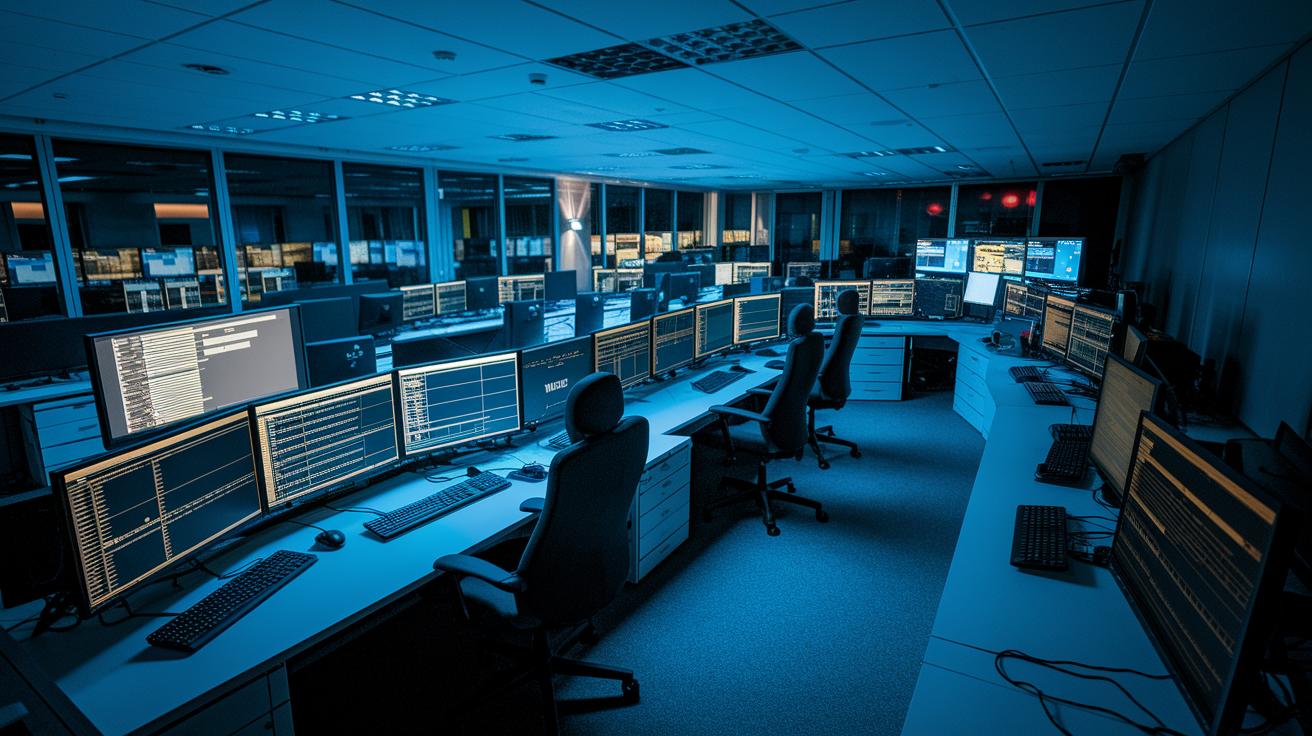
Modern SOCs use a mix of strong, reliable systems to guard our digital spaces. They often follow tried and true SIEM guidelines that help link logs from different sources smoothly. For example, next-generation threat intelligence tools constantly offer risk updates, while AI-based incident forensics digs into alerts to uncover hidden dangers. Combined with smart data monitoring, these tools create a proactive shield around our networks.
Integrated solutions also pull data from many streams, including external sources like cyber threats intelligence. They stick to SIEM rules so every log and unusual event gets a careful look. The threat intelligence system filters out the noise, and AI-powered forensics uses smart algorithms to zero in on suspicious actions. Meanwhile, advanced data monitoring scans live information to spot emerging risks.
Unified dashboards and automated playbooks add extra strength to the SOC. These smart interfaces, built on SIEM guidelines, make investigations guided and allow for quick, automated quarantine steps. Next-gen threat intelligence offers detailed info to support swift decision-making, while AI-driven forensics provides thorough post-event insights. Plus, advanced analytics pieces together multiple data points, giving security teams immediate, clear visuals.
Robotic risk management and automation cut down the need for manual work, freeing up experts to focus on strategic threat reduction. Systems built on solid SIEM practices ensure every alert gets the right priority.
Coordinated incident response and constant improvements lie at the heart of modern operations. This environment thrives because next-generation threat intelligence, AI-powered forensics, and smart data monitoring work hand in hand. Combining these essential tools not only speeds up the process of identifying and fixing issues but also reassures organizations that their digital assets remain safe.
Best Practices for Building and Optimizing a Security Operations Center
Begin by building a full security plan that shows every user and asset. Think of it like a detective gathering clues before solving a case. Every log and alert adds a piece to the puzzle.
Use smart automation to cut through the noise of too many alerts. Automated tools scan massive amounts of data so your team can concentrate on the important signals. This way, false alarms won’t rob you of valuable attention.
Stick with zero-trust rules and keep solid backup policies in your SOC. Run regular mock breach tests to see if your system is truly ready. When a test breach sparks a full response, it proves why careful monitoring and oversight matter in real life.
Keep your security analysts sharp by training them regularly and fine-tuning your detection rules. Think of these sessions as practice drills that prepare the team for unexpected challenges. This routine helps everyone stay updated on the newest threats.
Finish by setting up a strong governance framework to guide your actions. Check out information security governance (https://infotechinc.net?p=6263) to help you make decisions and stick to regulatory standards. Combining these steps builds a scalable and truly effective SOC.
Security Operations Center Challenges and Future Evolution

Today, Security Operations Centers often wrestle with issues like too many alerts, not enough skilled people, high costs, and the complicated mix of old and new systems. Teams work hard amid ever-changing rules and regulations. They need to clearly understand the current threat landscape, a bit like trying to sort through a pile of unsorted mail, to pick out the important signals. Companies benefit from regular checks of their systems to see how stable they are and how resources are being used. At the same time, new defense technologies push teams to retire outdated tools and adopt smarter, automated solutions. This change boosts innovation and makes dynamic threat analysis a top priority.
Looking ahead, SOCs will likely move toward more cloud-based, self-operating setups that use AI-powered tools to analyze data. By leaning into new defense technologies, these centers will depend less on old, local infrastructures. Teams will continue to refine their tactics with focused threat hunting missions and better plans for handling crises. Regular system reviews will help everyone be ready to respond quickly and allocate resources smartly. For SOCs to truly excel, they must invest in their people and simplify their processes. Faster crisis management means they can isolate potential threats in record time. New technology opens exciting paths forward, and ongoing assessments will help maintain the agility and resilience required to meet future challenges.
Final Words
In the action, we reviewed how a security operations center works by examining its main functions, design structure, and key roles. We broke down the meeting of people, processes, and tools that keep networks safe. We also touched on choices for building a strong digital shield while shedding light on challenges and future trends. All these factors help bring a smart and responsive cyber defense to life. A security operations center offers a steady, user-friendly way to stay safe and informed.
FAQ
What are Security Operations Center jobs?
The SOC jobs include positions like analysts, engineers, threat hunters, and managers who constantly monitor systems, analyze alerts, and respond to security incidents while keeping digital assets safe.
What is the typical salary for a Security Operations Center professional?
The SOC salary varies by role, experience, and location, with entry-level positions earning less and seasoned professionals or managers receiving higher pay based on market and skill levels.
How can I find a Security Operations Center near me?
The search for a nearby SOC typically involves locating local vendors, firms, or job listings that offer SOC services or recruitment opportunities in your geographical area.
What is the framework of a Security Operations Center?
The framework of a SOC includes centralized monitoring, log aggregation, incident triage, and a coordinated response plan that uses tools like SIEM, EDR, and threat intelligence feeds to manage risks.
What is a Cyber Security Operations Center?
The cybersecurity operations center is a type of SOC dedicated to protecting digital systems and networks by continuously monitoring, detecting, and responding to cyber threats in real time.
What certifications are available for a Security Operations Center?
The certifications for SOC professionals are offered by organizations such as CompTIA, (ISC)², and SANS, and they validate skills in cybersecurity monitoring, incident response, and risk management.
What does a Security Operations Center do and what is its main purpose?
The SOC monitors networks and systems, detects security threats, and coordinates responses; its main purpose is to protect digital assets by swiftly addressing potential breaches and minimizing risks.
What is Security Operations Center as a service?
SOC as a service is a model where external experts provide continuous monitoring, threat detection, and incident response, allowing organizations to benefit from professional security operations without internal infrastructure.
How can I access guides on designing and building a Security Operations Center?
Guides in PDF format on designing and building a SOC are available from cybersecurity vendors and online resources, offering detailed steps for technology setup, infrastructure design, and best practice operations.