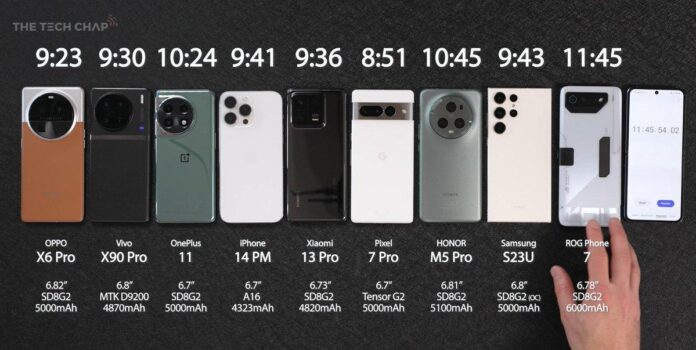

Battery endurance is the unsung hero of smartphone satisfaction. In an era of 5G streaming, console-quality mobile gaming and always-on cameras, a handset with staying power is worth its weight in lithium. YouTuber The Tech Chap recently crowned the Asus ROG Phone 7 the undisputed battery-life king after a head-to-head drain test against 2023’s biggest flagships. The Honor Magic5 Pro and OnePlus 11 rounded out the podium, proving you don’t need a supersized battery to outlast the competition. Below, we break down why each phone excelled, how the tests were run, and what you can do today to squeeze more hours out of your current device.
1. Asus ROG Phone 7 , Battery Champion
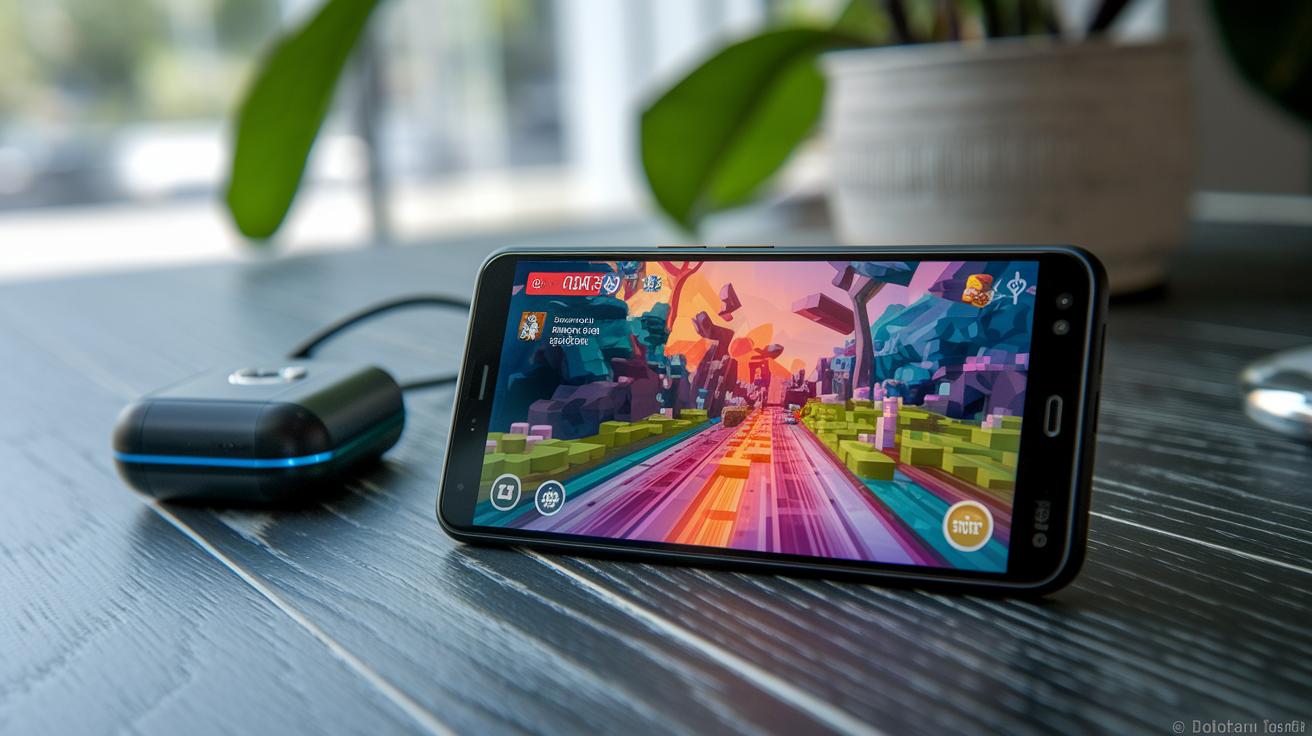
With a 6,000 mAh dual-cell battery, the Asus ROG Phone 7 enters every endurance test with an unassailable head start. Asus pairs that huge pack with Qualcomm’s ultra-efficient Snapdragon 8 Gen 2, a chip built on TSMC’s 4-nm process that sips power while maintaining flagship-level speed. A vapor-chamber cooling system prevents thermal throttling, so frames stay high without draining the tank. The Tech Chap’s real-world test, which loops YouTube playback, Instagram scrolling, gaming and camera use, saw the ROG Phone 7 last 10 hours 32 minutes before shutting down, a full hour ahead of its nearest rival. Add 65 W HyperCharge and you’ve got the ultimate road-trip companion.
2. Honor Magic5 Pro , Balance of Power and Endurance
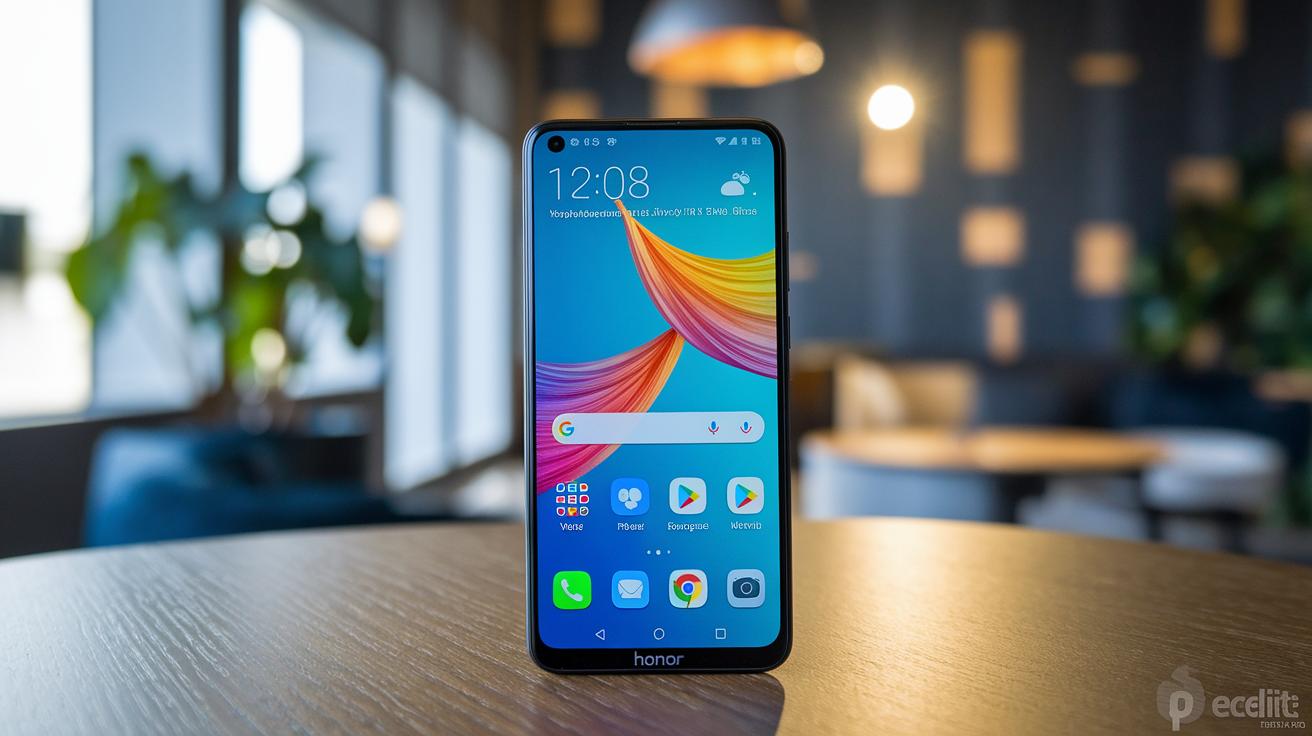
One of 2023’s surprise stand-outs, the Honor Magic5 Pro combines a modest-sounding 5,100 mAh battery with smart power management to punch well above its capacity. Honor’s MagicOS learns which apps you open most and hibernates the rest, while the Snapdragon 8 Gen 2’s efficiency cores tackle light tasks at a trickle. The result? Nine solid hours of mixed-use in The Tech Chap’s challenge, enough to score silver. You also get 66 W wired and 50 W wireless SuperCharge, topping the cell in under 45 minutes. If you want a gorgeous 120 Hz OLED display, class-leading cameras and endurance to match, the Magic5 Pro hits the sweet spot.
3. OnePlus 11 , Fast and Long-Lasting
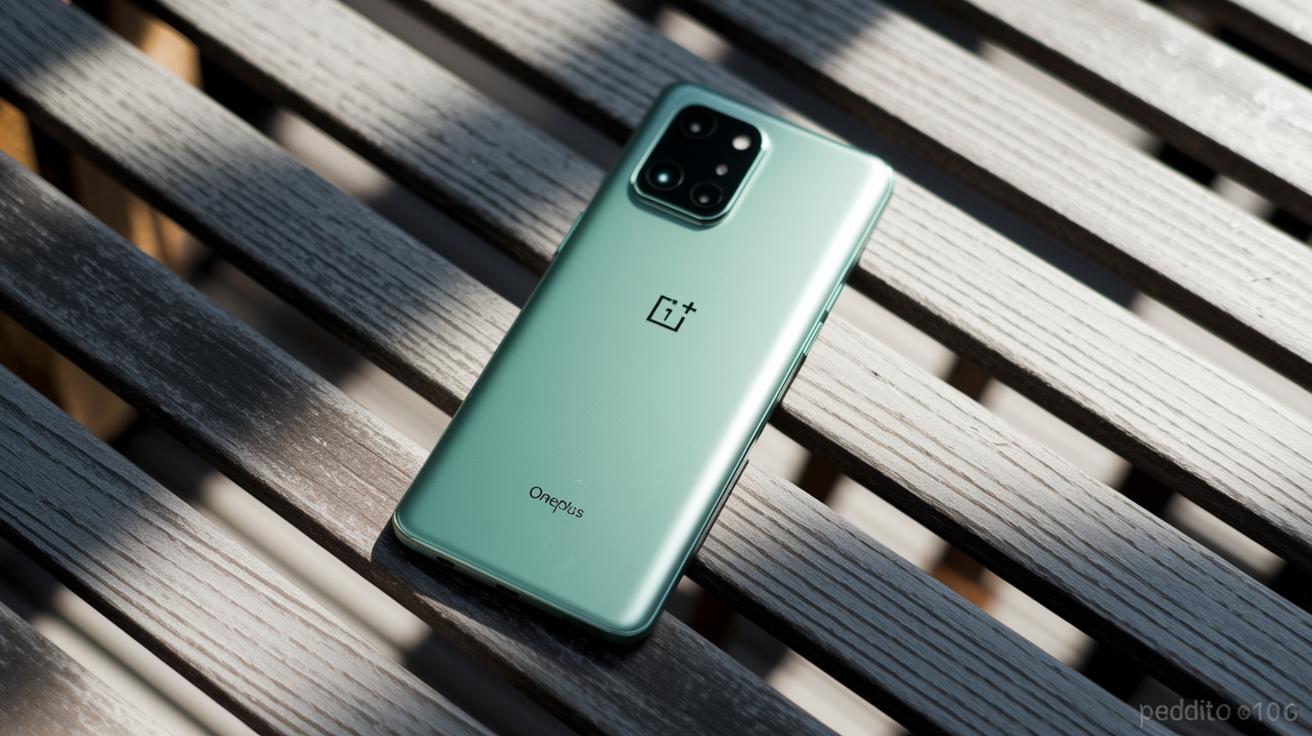
The OnePlus 11 proves speed and stamina can coexist. Its 5,000 mAh battery is smaller than the ROG’s, yet the phone survived eight hours 41 minutes in the same gauntlet thanks to OxygenOS 13’s aggressive background-app control. A 120 Hz LTPO panel that drops to 1 Hz when still saves precious juice during reading sessions, while the Snapdragon 8 Gen 2 keeps everything snappy. What really seals the deal is OnePlus’ spectacular 100 W SuperVOOC charging: a complete refill in under 25 minutes, no wireless pad required. For shoppers who hate wall-hugging but value clean software and a sleek chassis, the OnePlus 11 is a strong bronze.
4. How We Tested Battery Life
Battery numbers mean little without context, so let’s unpack The Tech Chap’s methodology. All phones were set to 120 Hz, maximum resolution, 250 nits brightness and connected to the same 5 G network. Beginning at 100 percent, a repeatable script cycled through one hour each of streaming video, social scrolling, gaming, video recording, and standby. Between tasks, the temperature of each device was logged to monitor throttling. No power-saving modes were enabled and pre-installed bloatware was removed. The test ended when each phone switched off. While controlled, this mix of workloads closely mirrors a day in the life of most power users.
5. Five Easy Ways to Make Your Battery Last Longer
Not upgrading this year? You can still stretch your phone’s battery. First, lower your screen’s refresh rate to 60 Hz when you’re not gaming. Second, disable always-on display or restrict it to specific hours. Third, cap location access to “While Using” for apps that don’t need constant GPS. Fourth, keep your battery between 20 and 85 percent; shallow charges slow degradation. Finally, heat is lithium’s enemy, remove thick cases while fast-charging or gaming, and never leave your phone baking on a dashboard. Combine these habits and you could gain an extra year of healthy capacity, and a few vital hours each day.