

Have you ever wondered if a small tweak in your daily routine could lead to big changes? Behavioral tech acts like a friendly coach, guiding you step by step toward smarter habits. It's a bit like moving from having training wheels to riding your bike confidently on your own. You get clear steps, positive rewards, and personal support along the way.
In this post, we share how experts use time-tested methods to boost independence, all while keeping interactions genuine and warm. It really changes the game and brightens our view of growth and smart care.
Behavioral Tech Overview: Definition, Roles, and Core Methods
Behavioral tech is all about making behavior plans work in everyday life. It uses one-on-one therapy, rewards, and skill-building steps to help people learn and grow. A behavior technician, or BT, carries out treatment plans created by a Board Certified Behavior Analyst (BCBA). They work directly with clients in homes, schools, community centers, or special clinics, adjusting each session to suit personal needs.
BTs use methods that have been proven to work, such as guided practice and positive rewards. For example, a BT might help a child with autism move from using picture cards to asking for a favorite toy all by themselves. This gradual process, much like switching from training wheels to riding a bike on your own, builds independence with plenty of support along the way.
In every session, BTs carefully observe how clients respond. They write down details and record progress so that later the data can be turned into clear charts. These records help in making quick decisions and adjusting treatment plans as needed.
Starting out in this field is pretty simple. At a minimum, you need a high school diploma, but many employers also value extra education, such as an associate’s or bachelor’s degree in psychology, education, or Applied Behavior Analysis (ABA).
| Aspect | Description |
|---|---|
| Work Settings | Varied environments including homes, schools, and clinics. |
| Techniques | Emphasize one-on-one, face-to-face interactions. |
| Core Methods | Focus on positive reinforcement and using data to make adjustments. |
This hands-on approach keeps behavioral tech at the heart of effective, personalized care and makes a real difference in people’s lives.
Behavioral Tech Energizes Smart Behavior Solutions

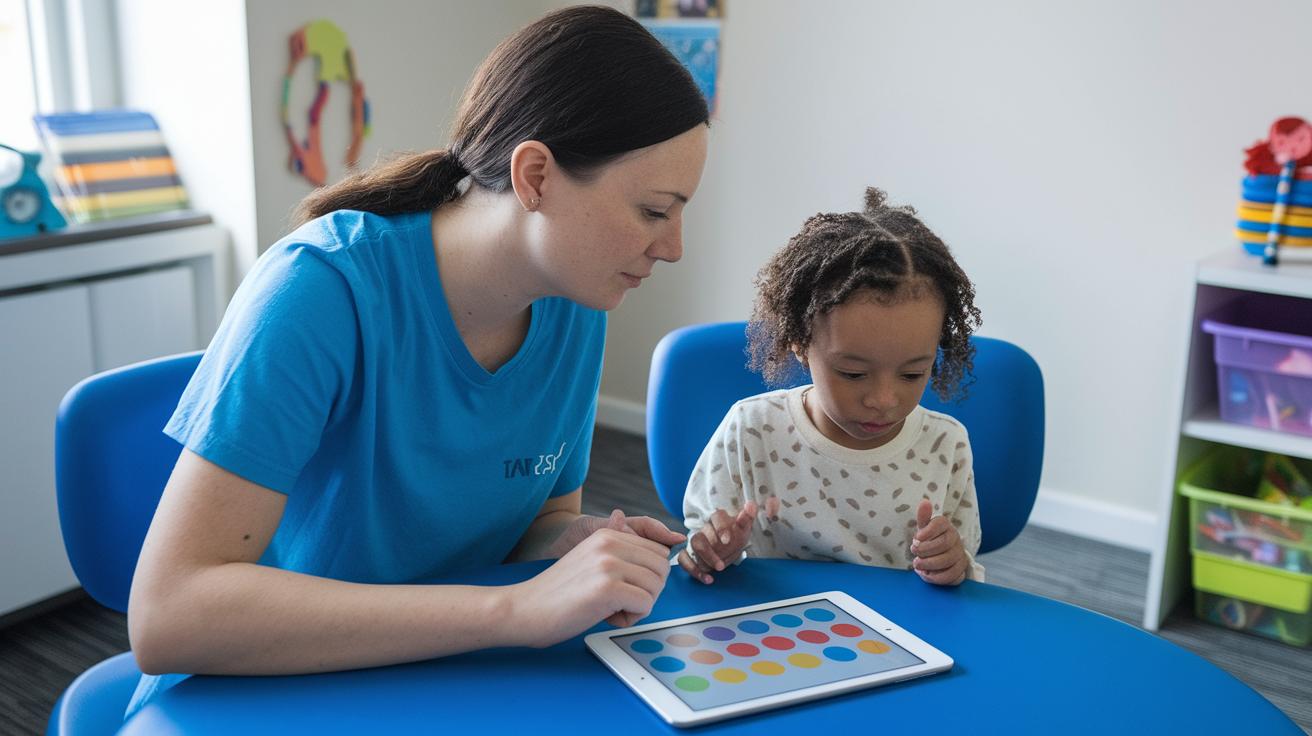
Behavioral tech is reshaping how we approach smart behavior solutions by using digital monitoring and data tools that track progress as it happens. Every session, these tools pick up even the tiniest shifts in behavior, turning them into simple, colorful charts that show learning wins or highlight areas needing extra care. Imagine a tech specialist tapping on a tablet each time a child makes eye contact or speaks up, each tap builds a clear picture of progress.
These real-time tools let experts quickly see what's working and what's not. If a chart shows a dip in a child's social interactions, the session can be adjusted on the spot. Many professionals work with kids on the autism spectrum, about one in 36 globally, and they carefully monitor skills like communication and self-help using these systems.
Picture a dashboard that lights up with every small victory, guiding tech specialists to fine-tune their strategies right away. This smart, data-driven approach not only makes treatments more responsive but also builds trust with families who see every step of progress clearly. It's a seamless mix of digital tracking and easy-to-read visuals that helps experts adapt their methods as needed.
Behavioral Tech Interventions: Digital and Mobile Solutions
Traditional digital systems paved the way for today's behavior tools. Early apps, like picture-card programs, offered clear hints to help clients start speaking up on their own. I remember a surprising story: when these picture-card apps first popped up, one child moved from needing constant help to picking pictures independently. Back then, data was recorded by hand and mainly served as a visual note of progress.
Today, AI-powered mobile apps are changing the game. These smart tools check session data in real time and suggest personalized tweaks automatically. For example, in a social skills group, an AI tablet might notice a child hesitating to share and quickly offer a fresh prompt. It’s like having a friend who instantly knows what the situation needs.
Modern mobile apps also blend advanced charts with cloud syncing. Imagine an app that catches a child’s slight pause and immediately shows a clear progress map with actionable tips. This quick feedback sets new strategies apart from old systems that only logged data without sparking change.
Behavioral Tech Career Paths and Certification
Many professionals kick off their journey by taking a 40-hour course to become a Registered Behavior Technician (RBT). After that, you'll move on to a skills check and a background review, usually wrapping up in just a few weeks or a couple of months. This clear, step-by-step route makes it simple to dive into a career that’s projected to grow 11% from 2021 to 2031.
If you’re aiming to excel in this field, additional education is a smart move. Some choose to earn associate’s or bachelor’s degrees in ABA, psychology, or similar areas, while others opt for accredited online courses in care practice. This flexible, home-based learning fits perfectly with your busy schedule, letting you study on your own terms.
Key certification steps include:
- Completing the required training course
- Passing competency assessments
- Finishing background checks
Plus, many add extra accredited online courses in therapeutic practice to boost their expertise. These courses help you pick up practical tips on digital interventions and care techniques. Combining hands-on training with academic education not only builds your confidence but also prepares you to make a real difference for your clients. Ultimately, careers in behavioral tech offer both personal satisfaction and the chance to have a measurable impact on people’s progress.
Behavioral Tech Case Studies in Real-World Practice
A behavior technician recently worked with a child with autism by using a digital token-board app. The technician kept track of the child’s requests during every session. Over time, using the app helped the child get more confident in communicating. In just four weeks, the child went from making no independent requests to 15 in each session! Surprising, right? This story shows how technology can have a big impact in behavioral therapy.
In another case, adult clients took part in a program that used a wearable step-counter. This gadget, connected to a behavior-tracking platform, monitored everyday tasks like grocery shopping and home chores. It provided real-time data, so the therapist could offer quick tips and celebrate small wins in daily living. Picture a client glancing at their wrist and seeing their step count go up, each step boosting their confidence and independence.
| Benefit | Description |
|---|---|
| Progress | Digital tools help show clear progress. |
| Real-Time Data | Instant insights allow for quick session tweaks. |
| Daily Skills Boost | Evidence-based methods improve everyday living skills. |
These real-life examples prove that digital tools in therapy not only track progress but also make it easier to celebrate and build on every single achievement.
Future Trends and Innovations in Behavioral Tech

Behavioral tech is on the move, thanks to cool new tools that make treatments even sharper. The field is growing, and jobs are expected to increase by 11% through 2031. Imagine wearable sensors that have stepped up from simple trackers to smart helpers. They notice tiny changes during a session, like a quick smile during a breakthrough, and send that info in real time to a clear, easy-to-read dashboard.
AI is also stepping into the spotlight. These smart systems study session data and offer tailored tips right away. Think of an algorithm that spots hesitation in a client and quickly suggests a helpful prompt based on what worked before. This kind of instant feedback lets therapists tweak their approach without missing a beat.
Remote teletherapy is opening new doors too. Now, you can have a session whether you’re in your cozy living room or relaxing in a park. Ever thought therapy could come with you on your daily commute? That’s the vision, seamless care that goes wherever you do. And with progress tracking stored in the cloud, it’s easier for clients to get care outside a traditional clinic.
| Innovation | Description |
|---|---|
| Wearable Sensors | Pick up real-time cues during sessions, even subtle ones. |
| AI Analytics | Provide on-the-spot, customized suggestions based on past data. |
| Remote Teletherapy | Break geographical barriers with flexible, off-site sessions. |
Virtual reality is also joining the mix, creating immersive therapy settings while algorithms work in the background.
Final Words
In the action, we explored what behavioral tech is and how it shapes treatment through tailored data intelligence and digital tools. We covered real case examples that show how tech improves client outcomes and looked at career paths and future trends. The article connected practical methods with emerging innovations to keep digital security strong. It’s a bright reminder that staying informed and adaptable makes our journey with behavioral tech both exciting and secure.
FAQ
What does a behavioral technician do?
A behavioral technician works by putting treatment plans into action. They use one-on-one therapy and reinforcement strategies to help clients make progress.
How long does it take to become a behavioral technician?
Becoming a behavioral technician typically takes weeks to months to complete the required 40-hour training, competency test, and background check.
What earning expectations and highest salary can a behavioral technician have?
Earning expectations vary, with salaries depending on factors like experience, location, and additional certifications. Top earners usually have advanced skills and extensive experience.
What education, training, and certifications are needed for a behavioral tech career?
Most positions require at least a high school diploma. Many professionals pursue associate or bachelor’s degrees in psychology or ABA, complete a 40-hour training course, and earn certifications such as the RBT.
Can you work as a behavioral technician without a college degree?
Yes, you can start as a behavioral technician with a high school diploma, although many employers prefer candidates who have completed postsecondary training or relevant certification courses.
What are the job descriptions and roles of behavioral tech positions?
Behavioral tech positions involve implementing treatment plans, tracking client progress with data tools, and tailoring sessions to individual needs across home, school, or clinical settings.
What training does Behavioral Tech DBT and the Behavioral Tech Institute offer?
Both Behavioral Tech DBT and the Behavioral Tech Institute provide specialized training in dialectical behavior therapy and related methods, supporting professionals in advancing their practical skills.