

For most of the year I’ve been running a two-phone setup: vivo’s photography-focused X200 Pro riding shotgun with Apple’s flagship iPhone 16 Pro Max. The experiment started as a simple camera comparison and ended up spiralling into a serious rethink of how I shoot, edit and post content. From transitioning all my product shots to the X200P to wrestling with an unusually buggy iOS 18 build, the experience has flipped my assumptions about Android versus iOS. Below is a breakdown of the key lessons, wins and frustrations that have me debating whether the iPhone still deserves a spot in my pocket.
From Product Shots to the X200 Pro

Gradually I found myself pulling the vivo X200 Pro out of my bag every time I needed a crisp product photo. The main 50-MP sensor’s color science leans slightly warm yet remains faithful enough that I spend less time in Lightroom. Shooters who rely on Apple’s Photonic Engine will notice the X200P punches up texture without the waxy over-processing that sometimes creeps into iPhone images. It’s not just pixel-peeping either; brands I work with began picking the X200P files during approvals. The switch happened so naturally that one day I realized my iPhone was now a backup camera.
B-Roll, Extra Lenses and Why Video Isn’t an Afterthought Anymore

Only recently did I test the X200 Pro for video, assuming the iPhone’s cinematic mode was untouchable. Surprise: vivo’s triple-layer image pipeline and extra telephoto options made my B-roll sessions faster and more flexible. Where the iPhone forces me to crop or physically move, the X200P’s 2x and 3.5x optics let me grab detail shots without disrupting the scene. Dynamic range holds up in mixed lighting and the onboard stabilization is less floaty than Apple’s. Exporting 10-bit LOG to DaVinci Resolve gave me grades almost indistinguishable from mirrorless footage, proof that the X200P isn’t just a stills monster.
iOS 18 Headaches vs FunTouch Relief
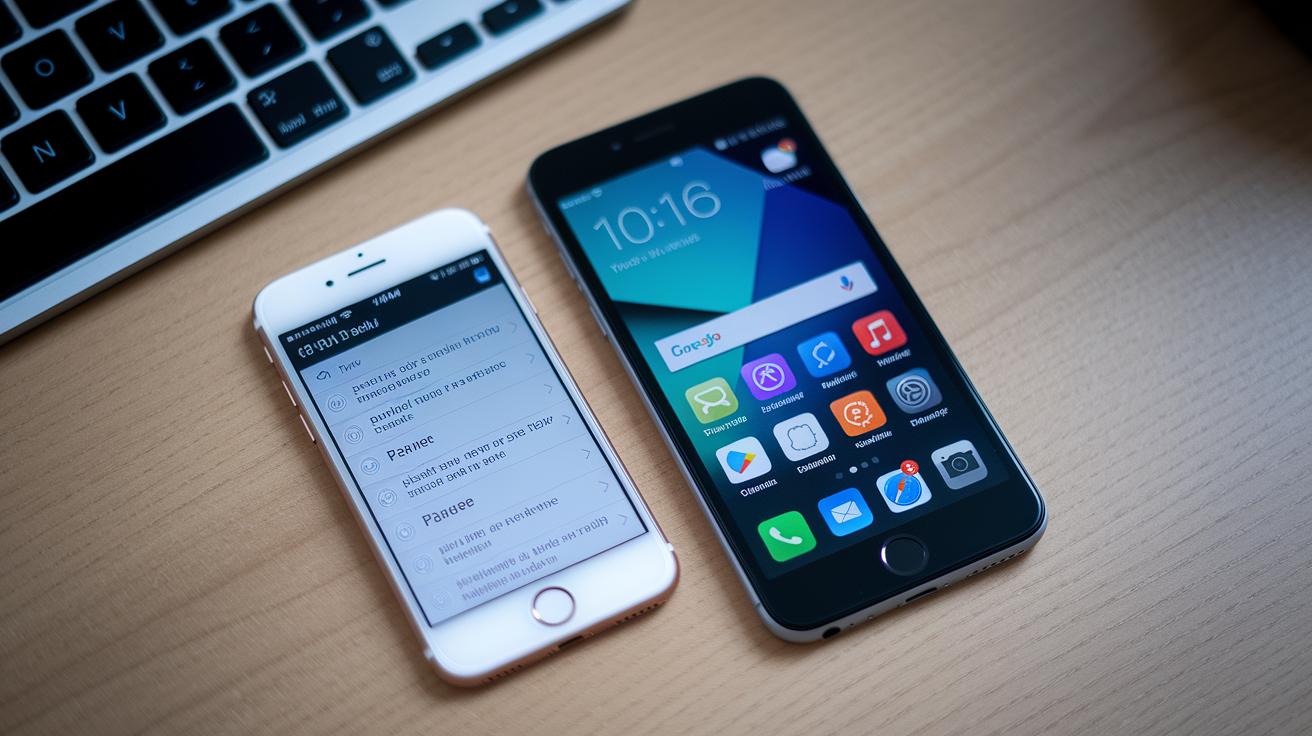
FunTouch OS has never been praised for elegance, yet in daily use it has been shockingly drama-free compared with iOS 18. Apple’s latest build keeps serving me Spotlight crashes, random battery drains and that pesky gyroscope bug that locks orientation mid-scroll. By contrast, FunTouch’s subtle tweaks, like an adjustable dock and one-hand gesture shortcuts, get out of the way and let me work. Notifications arrive on time, Bluetooth stays paired with my earbuds and I haven’t rebooted the phone in weeks. Perfection? No. But at this point the supposedly inferior Android skin is the calmer, more reliable coworker.
Android’s App-Based UI Wins for Social Media Power Users

I spend hours in Instagram, Threads and X, crafting posts and scheduling reels, so interface efficiency matters. On Android, each of these apps offers contextual menus and overflow buttons that actually match Google’s design guidelines, translation: fewer taps to reach drafts, analytics or alt-text fields. The share sheet is equally slick, letting me copy links straight into Buffer without the triple confirmation routine iOS demands. Even TikTok’s editing deck renders previews faster on the X200P, likely thanks to better thermal headroom. If your job revolves around content creation, Android’s pragmatic, app-centric layouts feel like the grown-up version of mobile multitasking.
Why I’m Still Clinging to an iPhone: Ecosystem Gravity & Peace of Mind

Despite the gripes, I’d be lying if I said Apple’s ecosystem hasn’t hooked me. AirDrop moves 4K clips onto my MacBook in seconds, Messages keeps group chats in glorious blue and Apple Watch unlocks the laptop the moment I sit down. Those conveniences melt away friction I barely notice until they’re missing. Then there’s security: passkeys, end-to-end encrypted iCloud backups and that subconscious trust that a rogue APK won’t brick my phone. Rationally, Android replicates most of this, but emotionally the iPhone still feels like home, a walled garden, yes, but one where the fences occasionally make life simpler.
The 16e Escape Plan: Downsizing the Apple Tax
Truthfully, the 16 Pro Max feels like overkill now that the X200P tackles most of my camera duties. I’ve begun eyeing the rumored iPhone 16e, a smaller, less pricey model that still keeps me tethered to iMessage and my Apple Watch. The idea is simple: pocket an iPhone strictly for ecosystem perks, free up cash and pocket space, and let the vivo handle the heavy lifting. If Apple nails battery life and keeps the camera competent, I could finally retire the hulking Pro Max and reclaim some wrist strength. Minimalism, but with blue bubbles intact.
Closing Thoughts: Smooth Sailing on Pixel Waters

It’s not just vivo challenging Apple’s throne. My spare Pixel 8, running Android 15 beta, still glides through tasks with an elegance bordering on boring, exactly what you want from a daily driver. Google’s clean UI, stellar voice typing and quarterly feature drops remind me that innovation doesn’t require annual spectacle, just relentless polish. After juggling three ecosystems, my takeaway is simple: pick the tool that boosts your workflow and sparks the least frustration. Right now, that tool is increasingly not the iPhone 16 Pro Max, and my SIM card is getting itchy feet.