

Smartphone photography keeps getting better, yet you don’t have to spend flagship money to capture dazzling shots. In fact, several handsets priced below Rs 20,000 now boast 64-megapixel—and even 108-megapixel—sensors, buttery-smooth 120 Hz screens and batteries built for all-day shooting. This guide spotlights three of the strongest options available in India right now: Motorola G60, Tecno Camon 19 Pro Mondrian and Redmi Note 9 Pro Max. We’ll break down their camera hardware, performance credentials and unique extras so you can decide which device best matches your creative ambitions and everyday needs.
Motorola G60: 108 MP Powerhouse for Shutterbugs
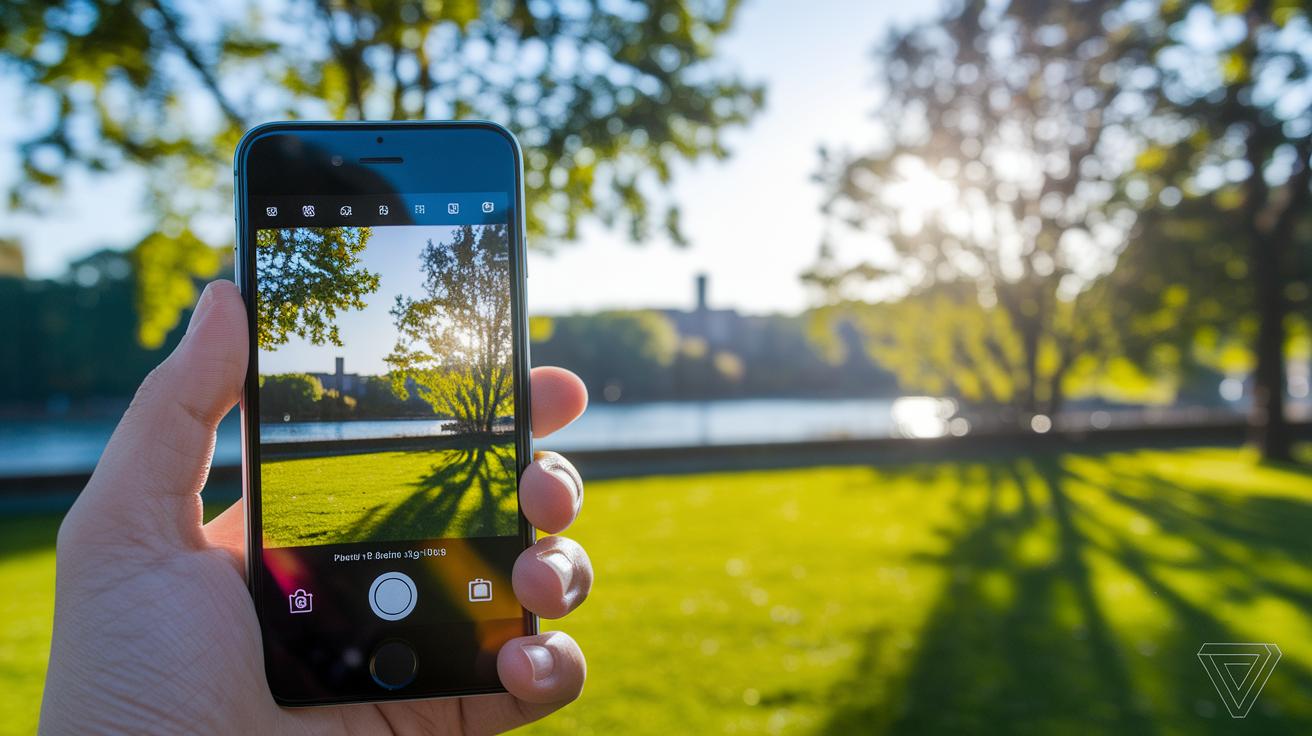
Motorola’s G-series has long delivered outstanding value, and the G60 pushes that reputation further. Its show-stopping 108-megapixel main sensor is flanked by an 8-megapixel ultra-wide/macro lens and a 2-megapixel depth camera, ample versatility for landscapes, portraits and close-ups alike. A 32-megapixel selfie snapper sits neatly inside a punch-hole cut-out. Power comes from the Snapdragon 732G, a gaming-tuned chip that handles 4K video with ease, while a 120 Hz, 6.8-inch display keeps previews fluid. With 6 GB RAM, 128 GB storage and near-stock Android, the G60 packs formidable photographic hardware into an attractively priced package.
Tecno Camon 19 Pro Mondrian: Artistic Design Meets 64 MP OIS

Tecno’s Camon line specialises in mobile photography, and the 19 Pro Mondrian edition adds eye-catching flair. Its rear panel uses Polychromatic Photoisomer technology, changing colour under sunlight for a truly artistic finish. Inside, a 64-megapixel main camera with optical image stabilisation teams with a 50-megapixel portrait lens and a 2-megapixel depth sensor, delivering sharp shots even in tricky light. A 32-megapixel front camera offers eye-tracking autofocus, perfect for vlogs and TikToks. The 120 Hz screen feels buttery, 8 GB RAM keeps multitasking seamless, and a 5,000 mAh battery supports 33 W flash charging that delivers 30 percent power in just 13 minutes.
Redmi Note 9 Pro Max: Reliable All-Rounder with Quad Cam Versatility

Xiaomi’s Redmi Note series has defined value for years, and the Note 9 Pro Max remains a compelling option for budding photographers. Its quad-camera setup combines a 64-megapixel primary shooter, 8-megapixel ultra-wide, 5-megapixel macro and 2-megapixel depth sensor to cover nearly every framing scenario. A 32-megapixel front camera tackles selfies and video calls. Under the hood, the Snapdragon 720G, built on an efficient 8 nm process, handles gaming and 960 fps slow-motion recording without breaking a sweat. Corning Gorilla Glass 5 shields both sides, and a side-mounted fingerprint reader doubles as a convenient shutter button.
How to Pick the Right Budget Camera Phone for You
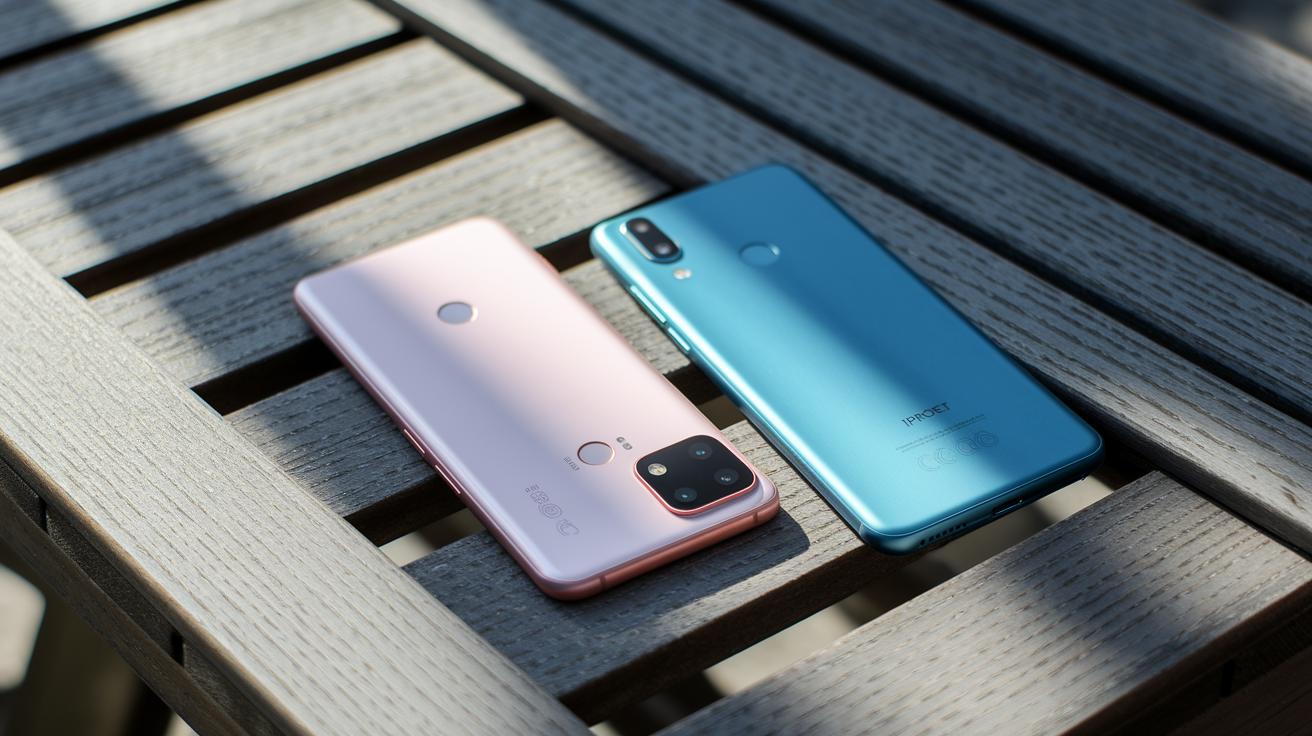
Each of these handsets excels in different areas, so start with your priorities. Craving sheer resolution? Motorola’s 108 MP sensor tops the charts. Looking for optical stabilisation and bold aesthetics? Tecno’s Mondrian delivers both. Prefer an all-rounder with sturdy Gorilla Glass and a quartet of lenses? Redmi’s Note 9 Pro Max is hard to argue with. Also weigh storage (128 GB leaves breathing room for 4K clips), refresh-rate preferences and charging speeds. No matter which model you choose, explore Pro mode, experiment with RAW files and back up your masterpieces to the cloud, your future self will thank you.