

Have you ever wondered if your personal data is safe online? Every click you make leaves footprints, showing a little more of who you are. Privacy isn’t just about keeping nosy eyes away, it’s about managing your own story. Today, we use technology for nearly everything. That means your online data deserves strong protection.
In this post, we share easy steps to build a secure barrier for your data. Think of it as creating a reliable shield that protects you as you browse and connect. Take charge of your digital trail and feel secure with every click.
Digital Privacy Fundamentals: Definition and Importance
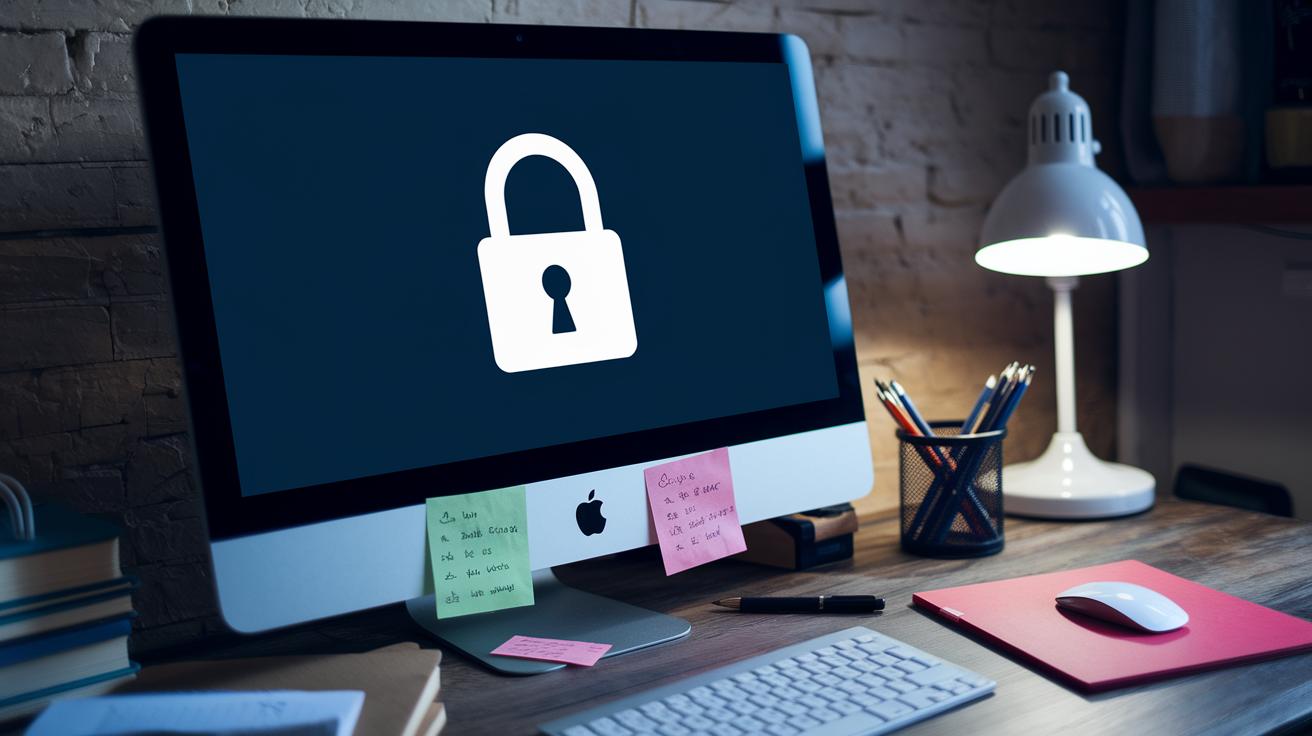
Digital privacy means having control over who can see your personal details and how they are protected. It’s about keeping information like your name, address, and credit card number safe from people who shouldn’t have access. One way this is done is by using encryption, which turns clear text into coded data with the help of an algorithm and a secret key. Think of it like scrunching up a note so others can’t read it, even if they find it. In our connected world where every click leaves a trace, it’s really important to manage your digital footprint.
Every day online, we leave little pieces of ourselves behind. Whether you’re sending an email, sharing a photo, or using a map service on your phone, you create a trail that can be pieced together to reveal who you are. This overview of tech privacy shows why it’s key to take charge of your online data to dodge problems like identity theft, hacking, and data breaches.
Imagine buying your favorite book online. As you browse, add items to your cart, and complete your purchase, your actions leave digital clues, from the type of device you’re using to your browsing history, and even your payment details. This everyday experience shows how each online move contributes to your digital footprint. By using tools like encryption and solid data protection practices, you help keep your personal information away from nosy onlookers. When you understand and use these digital privacy basics, you’re taking the right steps to protect your life in a world where every digital moment counts.
Digital Privacy Threats: Common Risks to Your Online Data

Hacking and cyberattacks let strangers sneak into your digital life and steal your personal details. They exploit tiny flaws in software to slip past your defenses, almost like a burglar entering through an unlocked window. The result? Your accounts get hacked, leaving you feeling exposed and uneasy.
Phishing scams work by sending you emails or messages that seem to come from someone you trust. They pretend to be a familiar company or a friend to trick you into sharing your login info. Imagine getting a message that looks completely real, only to later find out it was a trap set to steal your credentials. This kind of trickery undermines your privacy and can open the door to more troubles down the road.
Some companies collect loads of your personal details without really asking for clear permission. They gather and even share your info, which can be risky if it ends up with people you never expected. In other words, your data might be seen by more eyes than you’d like.
Every one of these risks, from sneaky system breaches to deceptive messages and careless data sharing, slowly chips away at the security and confidence you feel online.
Digital Privacy Tools: Encryption, Authentication, and Tracking Controls

Encryption scrambles your information by turning plain text into a secret code using a special formula and a secret key. It’s like writing a secret note that only someone with the right key can read. This method is one of the easiest and most effective ways to protect your online activities.
Two-factor authentication, or 2FA, adds an extra layer of security to your accounts. It works by combining something you know, a strong password, with something you have, like a unique code sent to your phone. Imagine trying to open a treasure chest that asks not only for a key but also a secret code. Even if someone knows your password, that extra step helps keep your account safe.
- Deny cookies to limit the trackers that follow you on websites.
- Turn on the Do Not Track setting to politely ask websites not to monitor your browsing, keeping in mind that not every site will listen.
- Clear your browser cache often to remove stored data that could hint at your online habits.
- Use a VPN to hide your IP address and enjoy encrypted browsing across the web.
- Report any suspicious emails or messages following the advice of privacy experts to stop potential scams.
Each of these actions plays a special role in shielding your digital presence. Encryption makes sure your details stay unreadable to outsiders, and two-factor authentication wraps your accounts in an extra shield of safety. Together with cookie controls, cache clearing, VPNs, and careful reporting, these steps help keep the online world a little more secure, like a team of safeguards working in harmony to protect you every day.
Digital Privacy Regulations: Laws, Rights, and Compliance

Privacy laws like GDPR, CCPA, and the Data Protection Act have changed how our personal information is handled. They push companies to be clear about how they protect our data and to limit government access. Plus, they make sure we have a say in how our info is used. If a company fails to follow these rules, they face heavy fines.
These laws started with the Privacy Act of 1974, a big moment for data protection. They remind us that both people and businesses share the duty of keeping personal information safe.
| Law | Key Requirement | Enforcement Agency |
|---|---|---|
| GDPR | Clear privacy policies and data protection measures | EU Data Protection Authority |
| CCPA | User consent and rights to data access | California Attorney General |
| Privacy Act 1974 | Regulates federal collection and use of personal data | U.S. Federal Agencies |
Regulators are stepping up their oversight. They don’t hesitate to enforce fines when companies fall short. This means businesses must update their practices to keep your data safe and respect your rights. Staying informed about these laws builds trust and helps everyone feel more secure online.
Digital privacy: Stay secure and confident

Staying safe online means using trusted tools and taking a few simple steps to protect your data. Start by keeping your digital life organized and secure. For instance, choose a unique password for each account and consider a password manager to help you remember them. Stay updated by installing the latest software and system updates as soon as they come out.
When connecting to the internet, use secure networks. If you're on public WiFi, try a VPN to keep your information safe. It's also wise to only grant apps the permissions they actually need. When an app asks to access your contacts, pause and think, "Do they really need that?"
Make it a habit to review your device’s privacy settings, keeping them current and in line with your comfort level. Back up your data with encrypted cloud storage so that, even if someone gains access, your files remain protected. Choose cloud services that focus on strong encryption and regular security updates. And before sharing personal details on social media, take a moment to ask yourself, "Who really needs to know this?"
Emerging Digital Privacy Trends and Technologies

Privacy by design and zero trust are changing how we build secure systems. They mean safety is added from the very start. Think of it as making a house where every door and window has its own lock. It’s built to keep unwanted guests out from day one.
AI-powered privacy helpers are stepping in to protect your data. They send personal updates and quick, real-time alerts, like having a smart guard who learns as risks pop up. Meanwhile, end-to-end encryption is growing stronger, covering more of your online life to stop eavesdroppers. Experts are even working on quantum-resistant encryption to guard against future supercomputers, and more mature anonymity networks add extra layers of privacy.
New privacy tools mix these smart ideas together. They shield your online interactions, keep your data unreadable to outsiders, and help you feel secure in an ever-changing digital world.
Final Words
In the action, we explored digital privacy basics, from protecting personal information to using secure sign-in methods and encryption. We reviewed key risks, practical tools, and data laws that work together for a safe online experience.
Every section offered clear steps and insights for anyone managing online accounts. Embracing these ideas strengthens your digital privacy and leaves you feeling secure and empowered.
FAQ
What is the meaning of digital privacy?
The meaning of digital privacy refers to how individuals control and protect their personal data online. It involves safeguarding names, addresses, and other sensitive details from unauthorized access.
Is digital privacy a human right?
Digital privacy is considered a fundamental human right because it ensures people have the freedom and control over their personal information in a world where digital data is widely shared.
What are the types of digital privacy?
The types of digital privacy include protecting personal device data, securing online interactions, and using encryption and authentication methods to shield sensitive information from cyber threats.
What are the threats to digital privacy?
The threats to digital privacy include hacking, phishing scams, and data breaches. These threats can compromise your personal information, making it important to use secure practices and tools.
Why is digital privacy important?
Digital privacy is important as it defends against identity theft and data misuse. By managing your digital footprint, you keep your sensitive information safe and maintain trust in online interactions.
What examples showcase digital privacy issues?
Digital privacy examples include data breaches at major companies and unauthorized corporate data collection. These issues highlight how everyday online actions can leave personal data vulnerable.
How do digital privacy and data protection work together?
Digital privacy and data protection work together by using tools like encryption and two-factor authentication to keep personal data secure from cyberattacks and unauthorized use.
What does the Digital Privacy Act entail?
The Digital Privacy Act sets clear rules for how personal data is collected, stored, and shared. It aims to ensure organizations handle information responsibly while upholding individuals’ rights.