

Have you ever wondered if your texts and emails are really safe from snoopers? The Electronic Communications Privacy Act is here to help. Created in 1986, it protects different types of conversations. One part secures live calls, another keeps stored messages safe, and a third guards important data. Think of it as a sturdy fence that keeps unwanted visitors out.
In a world where everything is connected, knowing who can peek at your private chats is key. This article shows how each part of the law works to keep your online life private and secure.
Core Principles of the Electronic Communications Privacy Act
In 1986, the government passed a law to protect our phone calls, emails, and stored data. This law sets clear rules to keep our digital conversations safe from unwanted eyes. Title I, known as the Wiretap Act, stops anyone from secretly tapping into calls or digital transmissions in real time. Title II, called the Stored Communications Act, makes sure third-party companies can’t share stored messages without the proper legal nod. Title III, which is the Pen Register Act, regulates devices that grab dialing and contact details. Imagine a secure call where every bit of intercepted info is carefully watched – that’s what this act aims for.
| ECPA Title | Focus | Key Requirement |
|---|---|---|
| Title I (Wiretap Act) | Real-time interception | Warrant required for surveillance |
| Title II (Stored Communications Act) | Stored messages | Warrant for messages stored under 180 days |
| Title III (Pen Register Act) | Dialing and addressing info | Court order for data capture |
These rules are designed to help businesses, government agencies, and everyday folks by clearly spelling out who can access and monitor digital communications. Think of it as a digital lock on your calls and emails, ensuring that only those with permission can see them. The law keeps our online interactions safe and helps hold everyone accountable.
Historical Context and Enactment of the ECPA
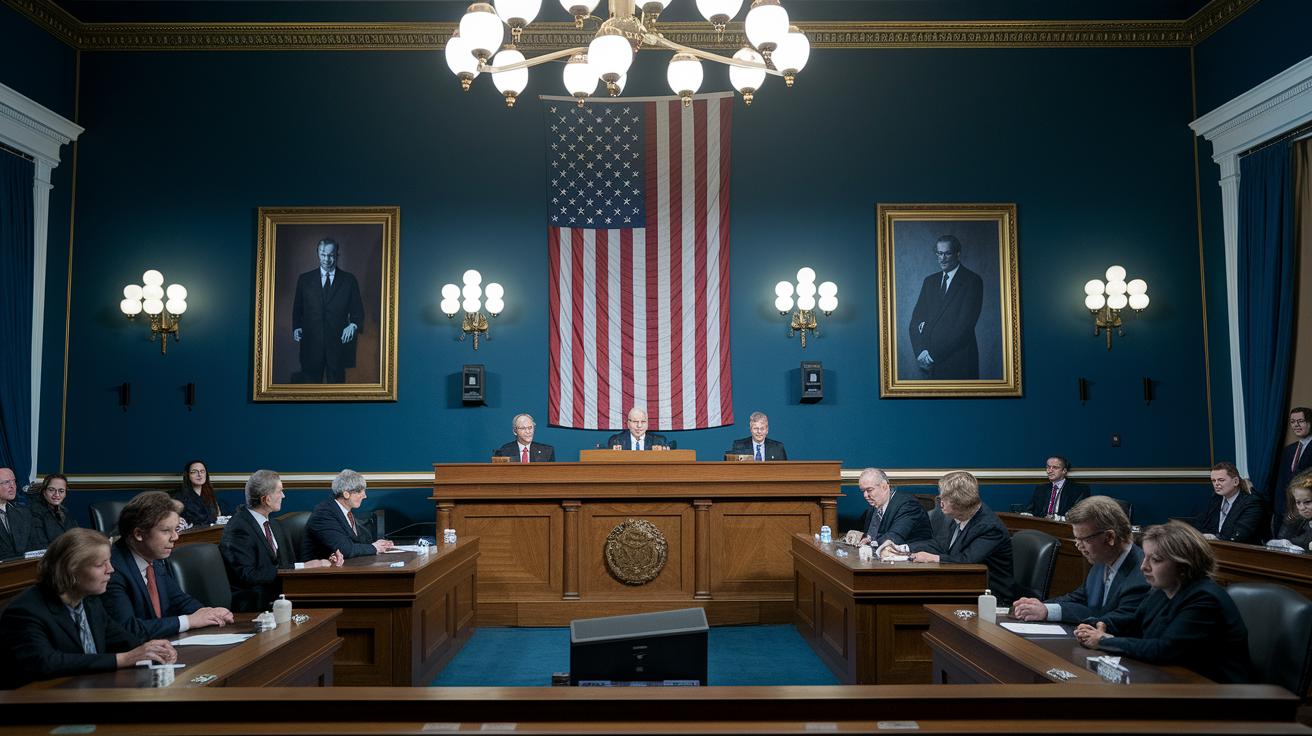
Back in 1986, Congress faced concerns that actually dated back to the Watergate era. People were uneasy about secret wiretaps and hidden phone logs, and those worries pushed questions about government overreach. Meanwhile, the digital world was starting to form with early emails and computer messages. It became clear that old rules couldn't keep up with these new ways of communicating.
Lawmakers gathered to update privacy standards for this emerging digital age. They aimed to protect not just phone calls but also the computer messages that were quickly catching on. In lively debates, they worked hard to clear up when and how digital data could be viewed by either the government or private companies. Their goal was simple: to guard individual privacy while still giving law enforcement the tools it needed when absolutely necessary.
You might find it interesting that during early discussions, some lawmakers likened the task of updating the law to replacing an old lock with a brand-new, high-tech security system. This vivid comparison helped set the tone for the final law.
Electronic Communications Privacy Act: Legal Clarity
Here's a key point that sets this discussion apart from earlier ones. For stored messages kept for 180 days or less, law enforcement must have a warrant. If the records are older than 180 days, accessing them only requires a subpoena. This rule carefully balances investigation needs with protecting your privacy.
Title I stops anyone from secretly intercepting live conversations without permission. Imagine someone trying to record your personal call without a warrant, it simply isn’t allowed.
Title II covers stored messages and data. For records newer than 180 days, a warrant is needed. But for older data, a subpoena will do the trick. Think of it like having different keys for different storage times.
Title III deals with technical details such as dialing, routing, and addressing info. Before any device can grab these details, a court order is required. This ensures that even everyday technical data follows a clear legal process.
| ECPA Title | Focus | Key Requirement |
|---|---|---|
| Title I (Wiretap Act) | Real-time interception of communications | Warrant required for interception |
| Title II (Stored Communications Act) | Access to stored communications | Warrant for data under 180 days; subpoena for data over 180 days |
| Title III (Pen Register Act) | Capture of dialing, routing, and addressing info | Court order required for data capture |
This extra detail about storage times gives a clearer picture of how the law protects our communications while letting investigations proceed when needed.
Amendments, USA PATRIOT Act, and State Privacy Bills Impacting the ECPA

The USA PATRIOT Act of 2001 changed how our digital communications are watched. It boosted law enforcement’s ability to intercept emails and calls by broadening what counts as interception and cutting down on the need for a warrant in some cases. In 2006, lawmakers renewed these powers so that police could keep using them under the ECPA.
Over time, these federal changes pushed states to update their own privacy laws. States like California, Colorado, Connecticut, and Virginia passed bills that add extra rules. These laws usually require clear notice and permission before tracking employees and set tougher rules for alerting people when a data breach happens. Imagine working somewhere where you get a heads-up before any monitoring starts, what a difference it could make for your privacy.
Key changes to note include:
- A broader view of what electronic interception means.
- Fewer warrant requirements in certain digital surveillance cases.
- A 2006 update that confirmed these expanded powers.
- State laws that demand notice and consent for employee monitoring.
- Stronger rules for quick breach notifications.
- A sharper focus on balancing law enforcement needs with personal privacy rights.
These federal and state updates show how digital surveillance is being rethought. They make it clear that while investigations are important, our everyday communications also deserve solid protection.
Compliance, Enforcement, and Penalties Under the ECPA
Under the ECPA, both businesses and individuals must stick to clear rules when handling electronic communications. Breaking these laws isn’t taken lightly. Civil fines start at $10,000 for each violation, and courts can add extra charges to cover actual and punitive damages. For criminal breaches, individuals might face fines up to $250,000 and companies up to $500,000, along with a possible jail term of up to five years. These serious penalties remind us why it’s so important to act carefully and legally when accessing or intercepting communications.
Courts have made it clear that employers can only monitor communications if their policies are straightforward, reasonable, and communicated in advance. This helps keep a fair balance, protecting employee privacy while letting companies maintain essential oversight. Problems arise when firms use pen registers without a court order, tap into communications without consent, or access data beyond agreed limits.
To help your team stay on track with ECPA rules, try following these straightforward best practices for workplace surveillance:
- Create clear privacy policies that everyone can easily understand.
- Protect data with strong encryption methods (think of it as a digital lock for your information).
- Conduct regular audits to ensure everyone is following the internal rules.
- Hold periodic training sessions about legal limits in monitoring communications.
- Set up systematic data archiving so that records are easy to access during audits.
- Work with legal experts to navigate the complex world of digital communication privacy.
Keeping these practices in mind not only creates a safer digital environment but also reduces the risk of facing hefty legal consequences under the ECPA.
Future Trends and Challenges for Electronic Communications Privacy

Indefinite data retention and the growing use of cloud storage have raised new privacy worries that go well beyond the old 180-day rule. More companies and government bodies are moving their digital communications to the cloud, putting the old ECPA rules to the test. New tech like smart devices and AI-powered tools create extra ways to collect data, opening up risks that lawmakers never expected.
Lawmakers are now exploring ideas to update the ECPA so it fits our modern communication habits better. For example, they might:
- Include popular messaging apps that we use every day, both at work and at home.
- Require stronger consent rules so that everyone knows and agrees on how their data is used.
- Set stricter limits on how much data is kept, which means saving only what is truly needed.
These changes are meant to close the gaps in current privacy laws, aligning legal protections with today’s fast-evolving technology and the way we actually communicate every day.
Final Words
In the action, we explained the electronic communications privacy act, breaking down its core principles, historical roots, and key provisions under Title I, II, and III. We covered how amendments, enforcement measures, and state innovations shape our digital privacy. We also touched on best practices and future trends as technology evolves. This article invites you to keep building a secure digital space. Keep exploring solid strategies for safe electronic communications and enjoy staying ahead in digital privacy protection.
FAQ
Q: What is the Electronic Communications Privacy Act 2022?
A: The updated context for the ECPA in 2022 refers to ongoing discussions about modernizing its rules to better secure digital communications, although the original act from 1986 remains in force.
Q: What is an example of the Electronic Communications Privacy Act in practice?
A: The ECPA in action means monitoring unauthorized interception of emails or calls without a legal warrant, protecting users from unapproved surveillance and safeguarding their privacy.
Q: How does the Electronic Communications Privacy Act allow government access to communications?
A: The ECPA permits government agencies access to electronic communications only through formal legal channels, like warrants or subpoenas, providing a structured approach to privacy and surveillance.
Q: How does the Electronic Communications Privacy Act apply in the workplace?
A: In workplaces, the ECPA guides employer monitoring of communications when clear policies and employee consent are in place, balancing operational needs with individual privacy rights.
Q: Where can I find the Electronic Communications Privacy Act in PDF format?
A: The full text of the Electronic Communications Privacy Act is available as a PDF on official government websites, allowing anyone to review its legal details and updates.
Q: What is the Stored Communications Act?
A: The Stored Communications Act is a part of the ECPA that regulates access to stored electronic communications by third-party providers, ensuring data kept for less than 180 days is protected without a warrant.
Q: What does the Electronic Communications Privacy Act cover?
A: The ECPA protects telephone calls, emails, and stored digital data. It is divided into three titles that regulate wiretapping, stored communications access, and the use of pen registers.
Q: What actions violate the Electronic Communications Privacy Act?
A: Violations occur when electronic communications are intercepted without legal authorization, including the misuse of pen registers and unauthorized access to stored data, breaching the act’s protections.
Q: Is the Electronic Communications Privacy Act considered outdated?
A: Ongoing debates question the ECPA’s relevance, as many believe its provisions do not fully address modern digital communications, prompting calls for reforms and updates to the law.
Q: What exceptions exist under the Electronic Communications Privacy Act?
A: Exceptions allow for surveillance when explicit user consent is given, law enforcement follows proper legal procedures with warrants or subpoenas, and monitoring is carried out under regulated, specific conditions.