

Have you ever thought one wrong click might let online criminals in? When a cyber threat slips in, every second counts. Quick actions can save important details and give the police a better chance to catch the bad guys.
In this guide, you'll learn simple steps to report cyber crime. Gather key information and share it with law enforcement so you can protect your data and help keep your community safe.
how to report cyber crime to police easily
When you spot cyber crime, act fast to protect yourself and others from further harm. Every moment counts; criminals can gain ground quickly if you hesitate. Quick action means the police have a better chance to trace and stop these bad activities.
Moving fast also keeps important evidence intact. For instance, things like transaction records and odd messages can help officers uncover the source of the attack. Plus, taking prompt steps shows the police you’re serious about stopping cyber crime.
By reporting these incidents, you not only secure your own data but also help keep your community safe. Local police and sheriff’s offices are ready to dive into the details and limit any additional damage.
- Write down key details of the incident, including the date, time, and what devices or accounts were affected.
- Call or visit your local police station’s non-emergency line.
- Ask to speak with a cybercrime specialist or a dedicated unit.
- Provide a clear summary of what happened and share any relevant evidence.
- Obtain a report number along with the officer’s contact information.
- Confirm the next steps and learn when to expect an update.
Each of these steps strengthens the case against cyber criminals and builds trust with law enforcement. So, remember to document everything carefully, speak with the right experts, and always follow up for peace of mind.
Gathering and Submitting Digital Evidence for a Cyber Crime Report

When you're trying to catch cyber criminals, keeping digital evidence safe is crucial. It helps the police understand the full story behind a cyber crime, making it easier to spot patterns and trace criminal activity. By holding on to every bit of suspicious activity, whether it’s odd messages or unusual files, you give digital experts the tools they need to build a clear picture of what happened.
Here are some items you should gather:
- Full email headers and the full message content
- Screenshots of error messages, pop-ups, or ransom notifications
- Log files from any affected applications or network devices
- Copies of any malicious attachments, links, or downloadable programs
- Financial transaction records like bank statements or invoices
- Chat logs or text message transcripts
- A detailed timeline of events with exact timestamps
Once you’ve collected your digital evidence, it’s essential to share it securely with the right authorities. Store your files on an encrypted device or trusted cloud service, and use secure transfer methods when sending them. This careful preparation not only protects your own data but also gives the police strong, untampered documentation to build a case against cyber criminals.
Online vs In-Person Methods to Report Cyber Crime to Police
Online reporting is a quick and simple way to file your complaint if you suspect cyber crime. Many police departments now have web forms available on their official websites. You can fill out these forms to submit your case directly. The Internet Crime Complaint Center, managed by the FBI and the National White Collar Crime Center, also offers a federal portal. When you use these online tools, be sure to complete all required fields accurately. Attach any digital evidence in the right format, like clear screenshots or logs. Using a computer with up-to-date antivirus software and a secure internet connection adds another layer of safety. And it’s always smart to double-check your submission before hitting send.
Reporting in person is another solid option. If you choose to visit your local police station, bring all the necessary documents with you. This might include printed copies of digital evidence, a government-issued ID, and any extra details that could help the investigation. Showing up prepared with the right materials makes the process smoother and helps you get direct support from someone experienced in cyber crime. Plus, speaking face-to-face means you can ask questions and get immediate answers about the next steps in your case.
Essential Contact Information for Reporting Cyber Crime to Police
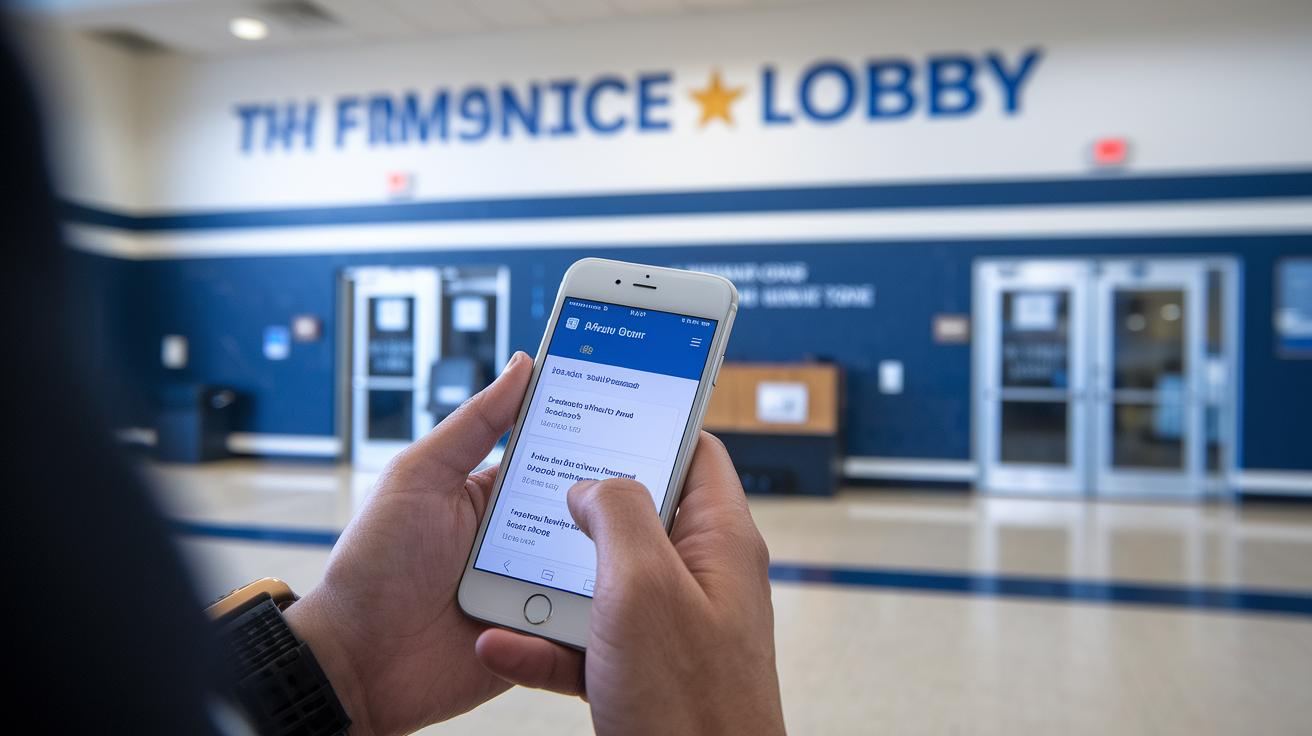
Begin by finding your local police department’s non-emergency phone number. Use trusted sources like official government websites or your local phone book. Your nearby police station might even have a cybercrime unit with trained investigators ready to help. When you see numbers ending in .gov or on an official city page, you can be sure you're connecting with the right people.
Next, look up the nearest FBI field office using the official FBI website. Write down the verified contact details so you have them handy later. It’s a smart idea to double-check this info before making any calls or sending emails. If you need more guidance on what to do after your report, check out the cyber incident response guide at https://heighline.com?p=1892. This way, you’ll connect with reputable law enforcement, steer clear of scams, and make sure your report is handled by true professionals.
Reporting Cyber Crime to Federal and Specialized Agencies
When local reporting isn’t enough, filing a complaint with the Internet Crime Complaint Center (IC3) is a smart move. This online portal is a joint project by the FBI and the National White Collar Crime Center, designed to gather details from different cases and spotlight wider issues. Have you ever noticed how clear records can make a big difference? When you report a crime online, include transaction records, message logs, and detailed summaries so that federal experts can put all the pieces together and spot crime patterns that might stretch across many regions.
Another solid option is to send your complaint to the Federal Trade Commission’s Consumer Sentinel database. This system collects reports to uncover trends that might slip past local departments. By including things like your financial transaction records, error messages, and a clear timeline of events, you help build a bigger picture that supports a broader investigation. This organized evidence lets authorities detect recurring fraud methods and plan a smart, coordinated response.
If you suspect Social Security fraud, it’s best to reach out directly to a specialized agency. Just call the Social Security Administration at 1-800-269-0271 to report any suspicious activity. You can also mail extra documents to the IC3 at 717 Coliseum Drive NW, Winston-Salem, NC 27106. Sending in your detailed evidence quickly not only strengthens the investigation but also protects your identity while holding cyber criminals accountable.
Legal Considerations When Reporting Cyber Crime to Police

When you report a cyber crime, federal laws are the backbone of the investigation. Local, state, and federal teams work side by side, like a well-oiled machine, to take down online wrongdoers. The cyber crime unit follows strict federal rules to make sure criminals face the right consequences. When you file your report, digital forensic experts, think of them as online detectives, start piecing together the evidence, and agencies share details quickly to build a strong case.
Reporting a cyber crime can lead to important legal outcomes. Acting quickly often sparks a thorough investigation that locks down crucial evidence and sets the stage for legal action against offenders. Local officers, state investigators, and federal agents team up, ensuring that every detail is handled clearly and efficiently. By filing your report on time, you might protect your rights better and even improve your chances of recovering any losses. In short, quick action not only boosts public safety but also strengthens our legal shield against digital crime.
Next Steps After Reporting Cyber Crime to Police
Once you’ve reported the crime, keep a close eye on your case. It’s a good idea to check in with the officer using the case number you were given. This way, you’ll stay in the loop about any updates or extra details needed from you.
Try to schedule quick chats with the detective handling your case. Don’t be shy about asking for updates now and then. Staying connected helps a lot, especially when investigators need more information or a little clarification.
Looking ahead, be ready for the possibility of legal steps or restitution talks. Sometimes, your report could lead to a court appearance or requests for more evidence. It might be helpful to have an IT specialist or a cyber incident response team on standby. This proactive move keeps you organized and makes it easier to handle any extra questions from law enforcement.
Final Words
In the action, our guide offered clear steps to report cyber crime to police. We covered everything from gathering evidence to choosing the best reporting method, whether online or in person. You learned how to document your incident, connect with specialists, and follow up diligently. Every tip is meant to empower you and make your approach to digital safety more straightforward. Remember, knowing how to report cyber crime to police is a key step toward protecting your digital presence and keeping our online world secure.
FAQ
What is the Internet Crime Complaint Center (IC3)?
The Internet Crime Complaint Center is a dedicated federal portal that collects online fraud reports and helps guide victims through the reporting process.
How do I file a complaint with IC3 or use the ic3.gov complaint form?
Filing a complaint with IC3 means submitting your detailed incident information through the ic3.gov form, which aids law enforcement in reviewing and investigating cyber crimes.
How can I report a scammer to the FBI or local police?
Reporting a scammer involves documenting all relevant details of the incident and contacting your local police or the FBI, where specialized teams can address online fraud cases.
What happens when you report someone to the FBI regarding cyber crime?
Reporting a case to the FBI prompts a review of your evidence by experts who work to trace the digital footprint of the suspect and coordinate further investigation.
Do local police investigate cyber crime and can they help?
Local police investigate cyber crime by reviewing documented evidence and can help by referring you to specialized units equipped to handle online offenses.
What is the cyber crime helpline number and FBI Internet Crime Complaint Center phone number?
Finding the correct helpline numbers means checking official government websites or your local police’s non-emergency contacts, ensuring you use verified numbers for assistance.