

Ever wondered if your wearable device might be sharing more of your life than you intended? These devices keep track of everything, from your heartbeat to your location, so it’s easier than you think for someone to peek into your personal world.
In this post, we’ll show you how to keep your device’s software updated and adjust your app settings to guard your private information. Imagine these steps as putting a simple lock on your favorite treasure chest.
With the right tweaks, your wearable turns from just a gadget into a trusted friend that keeps your most personal details safe.
Essential Steps to Safeguard Personal Data on Wearable Devices
Wearable devices gather a lot of personal data, making them tempting targets for hackers. One of the quickest ways to keep your information safe is to always update your device’s software. Think of it like replacing worn-out parts on a favorite machine, each update fixes potential weak spots that hackers could exploit.
Another smart move is to be strict with app permissions. Limit what each app can access, especially when it comes to your location or health details. Check your settings every so often, just like you’d close a window to keep out an uninvited guest.
Encryption is your next best friend. It scrambles your data on the device and in cloud backups so that even if it’s intercepted, it remains unreadable. Picture it as locking your diary with a secret code that only you know. When you blend timely updates, carefully managed permissions, and strong encryption, you create a robust shield against cyber threats.
These easy steps help protect your wearable device and the sensitive information it stores. So take a moment, update your settings, and rest a little easier knowing that your digital life is a lot safer.
Evaluating Privacy Risks and Vulnerabilities in Wearable Devices
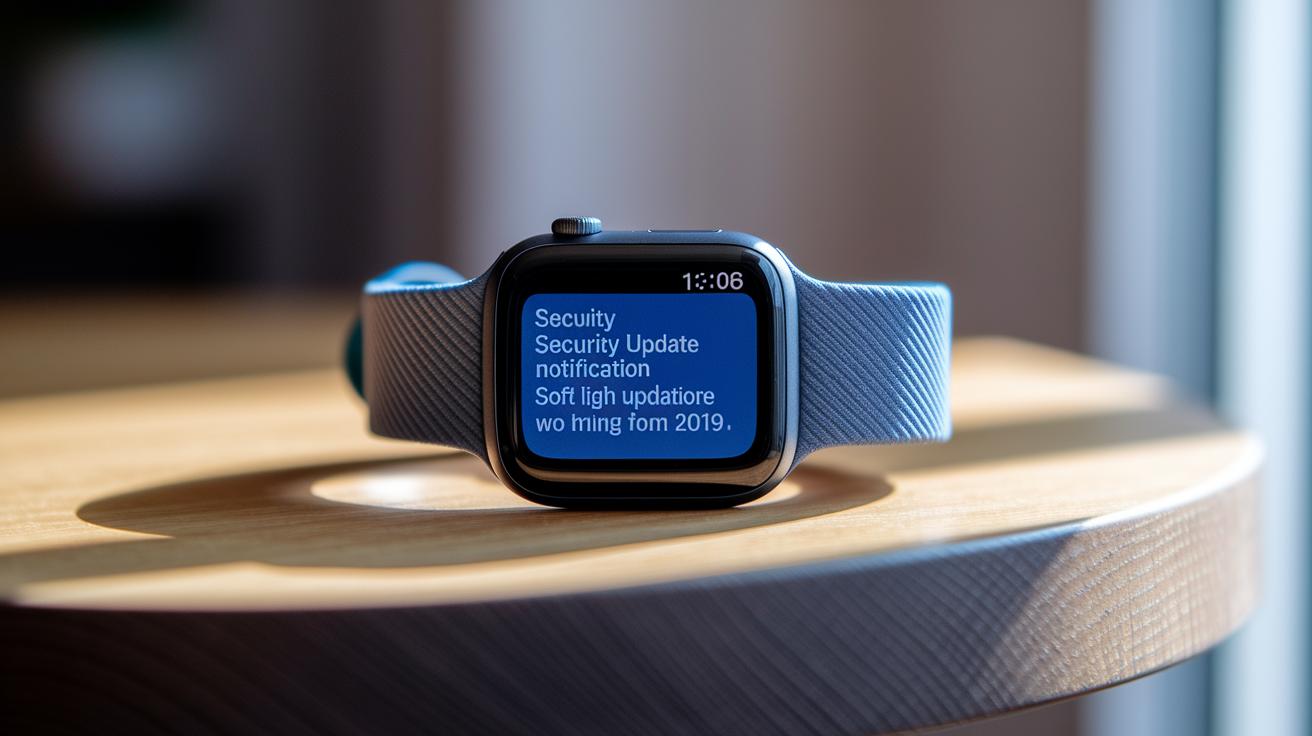
Wearable devices often have design limits that can open the door for attacks. Their simple build and lack of clear rules mean data paths might not be properly shielded. For instance, information sent over Bluetooth or Wi-Fi can be as exposed as an unlocked gate in a quiet neighborhood, making it easier for someone to sneak in and capture sensitive details.
Some devices don’t offer strong controls. They might skip robust authentication or check who should have access, imagine a door with only a basic lock where an intruder might easily slip in. Also, many wearables are physically unsecured, so if someone grabs the device, they could access the data stored inside.
Cloud storage is another area of concern. Without solid security for handling data uploads and backups, your personal information could end up at risk once it leaves the device. This gap can significantly raise the chances of a data breach.
The best way to tackle these risks is to review every step where your data travels. Start by checking your device’s connectivity settings and security options. Asking simple questions like “Where might my data be open to exposure?” and “Is the way my device sends data secure enough?” can really help you pinpoint the areas that need fixing.
Firmware and Software Updates: Wearable Device Security Best Practices
Keeping your wearable up-to-date is a smart way to protect your personal info. When manufacturers release updates, they are fixing glitches and blocking any doorways that hackers might try to sneak through. It’s like giving your device a little security boost!
Here’s an easy way to stay secure:
- Open your device settings and look for an option like "firmware update" or "check for updates." It’s usually just a tap away.
- Head over to your manufacturer’s website or check out any alerts they send out. They often share the schedule for security patches and clear steps to update.
- Download any updates you find, and follow the on-screen prompts to install them. If you need a detailed guide, check out this resource: how to update device firmware securely.
- Once you update, restart your device so everything is properly applied.
- Keep an eye on your device for update notifications. Regular checks mean you won’t miss any important fixes that keep emerging threats at bay.
Staying on top of these updates makes your wearable safer. In the long run, this simple practice helps prevent your personal data from ending up in the wrong hands.
Managing App Permissions and Secure Connectivity on Wearable Devices

Keep an eye on your app permissions and update them regularly. Only give an app access to what it really needs. For instance, a fitness tracker might only need your step count and heart rate while it doesn’t need your contact list. Start by opening your device’s privacy settings to check and manage how your data is shared.
Switch off any features that send data when you're not using them. Leaving Bluetooth open or connecting to a free, unprotected Wi-Fi can give outsiders a way to peek at your sensor data. Instead, tweak your wearable’s connectivity settings. Think of secure pairing like setting up a secret code on your phone, it helps keep your data under lock and key. If your device has a secure pairing option, be sure to turn it on.
When using Bluetooth, pick settings that stop it from pairing accidentally. Also, adjust your wireless settings to ensure that your data is safe as it travels between devices.
- Review your app permissions
- Turn off connectivity features you don’t need
- Activate secure pairing methods
By checking and fine-tuning these settings often, you close the door on unwanted access and keep your personal information safe.
Encrypted Data Storage and Personal Record Encryption for Wearables
Encryption helps keep your personal data safe on wearables. It protects your data when it's stored on your device and when it's sent to cloud backups. Picture your health information locked in a safe that only you can open. This safe is built with encryption that secures both past records and new updates.
Data stored on your device gets a local shield, while information sent to remote servers is scrambled with cloud encryption. End-to-end encryption works like a secret handshake between your devices, making sure no one else can read your health metrics or know your location. Imagine passing a secret note that only you and a trusted friend can understand.
Your fitness stats and biometric details are kept private by these secure methods. The sensors in your wearable collect data about your activity, sleep, or heart rate, and encryption makes sure that even if someone intercepts that information, they won’t learn anything personal.
Many platforms also use automated systems following trusted guidelines like HIPAA, GDPR, and ISO. These systems update encryption methods regularly so that both new and stored data stay protected.
Think of it as receiving an update that not only boosts your device’s performance but also refreshes its security measures, kind of like putting a new lock on your diary. With these robust encryption options in place, your wearable personal records are well-guarded against potential digital intrusions.
Strengthening Authentication: Access Control and Multi-Factor Verification for Wearables

Access control systems act as your first line of defense for wearable devices. Many wearables don’t have strong ways to verify your identity, leaving them open to unwanted access when a single security check is weak. By pairing a simple PIN with a one-time code from your smartphone, or adding a fingerprint scan, you build multiple layers of protection. It’s like putting several locks on a door, making it much tougher for intruders to get in.
Modern wearable tech often comes with extra features such as hardware tokens or push notifications from a companion app. These additions mean you need more than just one piece of proof to log in. A smart credential management system can update these methods automatically, staying ahead of new threats. When a device uses weak verification, it gives cybercriminals an easy chance to access your sensitive data.
Using solid access control and extra verification is key to keeping your wearable safe. Even if one check fails, the other barriers are still there to stop any intruder. These extra measures prevent unauthorized unlocking or pairing and help keep your information secure overall.
Proactive Monitoring and Breach Prevention Strategies for Wearable Devices
Your wearable device isn’t just a cool gadget, it holds your personal data, and keeping it secure is key. By constantly checking for vulnerabilities and unusual activity, you can stay one step ahead of any threats. For instance, a smart endpoint security tool can watch the data flowing from your device and give you a heads-up if something seems off. These tools often work side by side with a network intrusion system that flags suspicious behavior right away, making sure you're always in the know.
Regular scans are also a must. Running vulnerability checks helps you spot weak points in your device’s software and settings before any cyber mishap can occur. And if an alert does go off, having a clear plan to isolate, investigate, and fix the issue is your best bet for staying secure.
Layering your defenses adds another level of protection. This means combining different safety measures such as secure communication channels, encryption (a method to scramble data so only those with permission can read it), and strict access controls. Plus, if your device ever goes missing, a remote data wipe feature lets you quickly erase all your sensitive information, stopping any potential data theft.
- Set up regular vulnerability scans
- Monitor alerts from real-time threat detection tools
- Have a clear incident response plan ready
- Enable remote data wipe for emergencies
By taking these steps, you not only secure your wearable device but also protect your personal data, ensuring peace of mind even in today’s unpredictable digital world.
Compliance and Privacy Standards Review for Wearable Devices

Wearable devices store personal data that needs to follow rules like HIPAA, GDPR, or ISO 27701. Regular checks help you see if your device lives up to these standards. For instance, adhering to GDPR principles gives you a clear roadmap to protect sensitive details.
Using automation tools for compliance can make evidence collection a breeze. These tools quickly record your processes and flag any missing steps. When you set up audit reviews, keeping detailed logs of firmware updates or app changes is a smart move. This record-keeping not only meets regulatory needs but also acts as a safety net if a breach happens.
Regular privacy audits let you check how well your security measures work and spot areas that need improvement. It’s a bit like checking you’ve locked the door before bed. This proactive review builds trust in how you manage your wearable devices, keeping privacy and compliance at the forefront.
Final Words
In the action, we examined practical steps that protect your wearable devices. We covered regular updates, secure app settings, encryption of sensitive data, multi-factor authentication, and real-time monitoring. Each measure works to reduce risk and keep your digital interactions safe. Adopt these strategies to create a secure digital presence that feels natural and effective. Keep this guide in mind as you learn how to safeguard personal data on wearable devices and enjoy a safer digital experience.