

Have you ever felt like someone is always watching your every move? It can feel just like having a stranger peek through your window, leaving you exposed and uneasy.
Sometimes, real-life cases show that when someone invades your personal space, the only option is to take it to court. People have had to fight back when their privacy was overstepped.
In this post, we'll share some examples of privacy breaches that led to legal action. We'll help you see where your private world ends and when public exposure begins. Have you ever wondered exactly where that line is drawn?
Defining Invasion of Privacy: Legal Meaning and Criteria
We all value our privacy. Most of us believe our personal space should remain just that, personal, unless we give the okay to share it. Invasion of privacy happens when someone oversteps these boundaries. Think of it like a neighbor peeking into your living room through a window or someone reading your diary without your say-so. It’s an uncomfortable feeling that can leave you feeling exposed and hurt.
When someone breaches your privacy, it can lead to a legal claim. This means that if someone deliberately overshares private details or uses your personal images without asking, you might have grounds for legal action. For example, using a photo of someone in a commercial without permission might trigger a lawsuit. Courts support these protections so people feel safe and in control, just like the 7 million or so individuals who've received help from pre-screened lawyers in similar cases.
Courts usually look for four main things when figuring out if your privacy has been invaded. First, intrusion is when someone purposefully enters your personal space, like eavesdropping on private talks. Next, there's the disclosure of private facts, which means sharing personal details out in the open. Then, false light is about portraying someone in a misleading way that a reasonable person would find offensive. Last, appropriation involves using your name or image to make money without permission.
The basic legal fixes might include getting money for any harm done or stopping the violation altogether with an injunction. Basically, a successful case proves that someone used your private information on purpose and without your agreement.
Common Types of Privacy Invasion

Legal terms help us figure out what happened and which proof is needed. Let's break down each type of privacy invasion.
- Intrusion upon seclusion: This happens when someone intentionally steps into your personal space, either in real life or online. You might show digital logs or have witnesses to back this up.
- Public disclosure of private facts: This occurs when your private details are shared without your permission. You'll need proof that your information was spread widely in a way that shouldn’t have happened.
- False light: This is when someone's portrayal of you is misleading and could hurt your reputation. Documents that show how the facts were twisted usually serve as evidence.
- Appropriation of name/likeness: This is when someone uses your name or image to make money without asking you first. Clear evidence of this unauthorized use will be important.
By sorting these claims into clear categories, you can better gather the right evidence for each case.
Legal Framework Protecting Privacy Rights
The U.S. Constitution is the backbone of our privacy rights. It stops unreasonable searches and seizures under the Fourth Amendment. Think of it as a safety net that keeps our personal space private and free from unwarranted government snooping.
Federal laws build on this strong foundation. For example, the Privacy Act of 1974 sets clear rules for how government agencies should handle your personal data. It treats your information like a closely held secret, ensuring it’s managed with great care. Together with the Constitution, these rules guide courts in deciding when a privacy breach has happened, backed by many solid court decisions. You can read more about this protection in cases related to protection against unreasonable search and seizure.
State laws also play a role in protecting privacy, though they can differ from one place to another. Some states have their own rules that let you seek compensation if your privacy is violated. These extra laws work with federal rules to give you a broader shield, and the results may vary depending on where you live.
Since these rules can change by location, local legal advice is really important. A knowledgeable lawyer can help you navigate the mix of state and federal privacy rights and make sure you fully understand your protections.
Proving a Privacy Invasion Claim

When you file a claim, it’s up to you to show that you had a fair expectation of privacy and that it was intentionally breached without your consent.
Documentary Evidence
Logs, emails, screenshots, and digital records act like digital footprints. They reveal when and how your personal data was handled wrongly. These records back up your claim by proving that the breach wasn’t just an accident, it was done on purpose.
Witness Statements
Personal accounts, like depositions or affidavits, add a human touch to your evidence. A witness might share what they saw, giving more context to your claim beyond the raw data.
Expert Analysis
Privacy and forensic experts turn complex technical details into clear evidence. They break down the timing, methods, and scope of the breach, turning technical language into simple facts that everyone can understand.
Courts look for proof that is both clear and reliable. Your evidence should clearly show that the privacy violation was intentional and happened without your permission.
Legal Recourse for Privacy Violations: Lawsuits and Remedies
If someone violates your privacy, you might be able to collect money to help cover the hurt and losses you faced. This money can ease the emotional pain, protect your reputation, and cover any financial setbacks. It’s a way for the courts to say, “We see the impact this has on your daily life.”
Sometimes, the court can step in right away with orders that stop any further breaches. Think of these orders as a protective barrier around your personal information. And if the violation was especially harmful, the court might add extra fines as a penalty. These extra charges make it clear that messing with your privacy isn’t something they take lightly.
When you’re considering a lawsuit, it’s important to act quickly. You usually have one to three years – known as the statute of limitations – to file your case. Waiting too long might mean you lose your chance to get relief, so it’s best to move fast once you suspect something’s wrong.
Also, taking legal action often comes with costs like attorney fees and court expenses. Chat with your lawyer early on about how these might add up so there aren’t any surprises down the road. This proactive step keeps your case focused on protecting your rights and getting you the help you deserve.
Notable Privacy Breach Cases and Outcomes
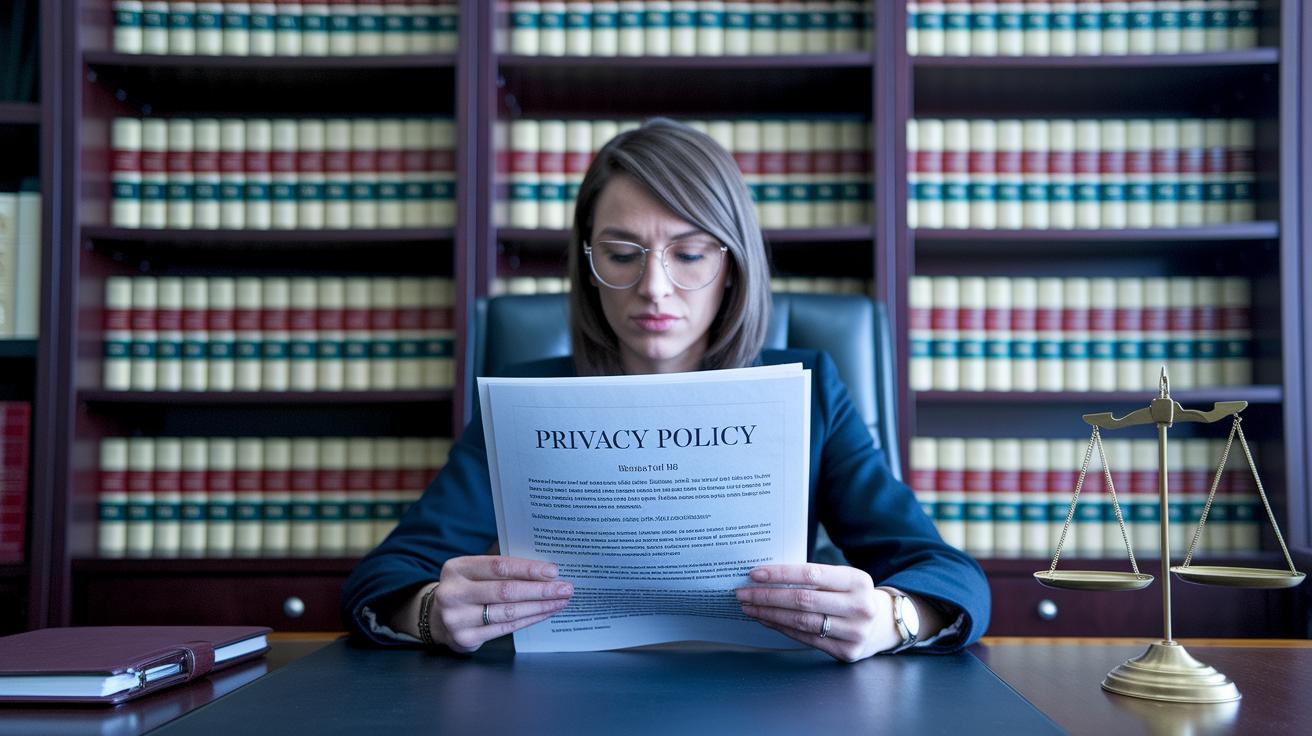
In Indiana, a case about breaking a court's no-contact order shows that privacy breaches are no joke. One person knowingly broke the order and faced charges that could be a misdemeanor or even a felony. That meant jail time, fines, and a criminal record that sticks around.
Another case involved someone using a person's image in an ad without permission. The court looked closely to see if the use was meant to earn money. When the unauthorized use was significant, the court ruled for damages. Smaller, incidental uses didn’t reach the level needed for liability.
| Case | Year | Key Issue | Outcome |
|---|---|---|---|
| Indiana Protective Order Violation | 2021 | Breach of a court no-contact order | Misdemeanor or felony; jail, fines, lasting record |
| Unauthorized Likeness Use | 2022 | Commercial use of name/image without permission | Damages awarded for significant use |
| Public Disclosure of Medical Records | 2020 | Release of private health information | Injunctions and monetary damages |
These cases have set important legal examples that shape how courts handle privacy breaches. They clearly mark the line for what counts as unauthorized use and disclosure, guiding future claims. In doing so, they remind both individuals and businesses that privacy rights matter and that solid evidence is needed when those rights are violated.
Protecting Against Privacy Invasion: Best Practices
Whenever you sense your privacy might be at risk, reach out to a lawyer right away. A quick chat with a trusted legal expert can help you understand your rights and stop small issues from escalating. Imagine noticing someone tampering with your personal account and getting immediate advice on how to handle it.
Local referral services make things easier by connecting you with nearby lawyers in as little as 24 hours. They provide clear profiles showing fee details, background info, and client ratings so you can choose with confidence. Plus, checking out legal dictionaries, law blogs, or attorney referral services keeps you updated on the latest privacy rules, ensuring you stay one step ahead.
Every day, use safe habits online. Stick to strong, unique passwords and add an extra layer of security with multi-factor authentication. It’s just like double locking your front door before you head out.
Make it a habit to review your privacy settings and check your account activity regularly. These simple audits help you spot any weak spots in your digital defenses, so you can fix them before they become a problem. Regular updates and checks create a safer online environment and reduce the chance of unauthorized access.
Final Words
In the action, this article broke down how privacy is protected by law and highlighted the steps to prove and remedy issues. We talked about what counts as an invasion of privacy, the key legal categories, and the outcomes in notable cases.
We also shared best practices for secure account management and staying updated on privacy trends. Keep exploring and applying smart digital strategies as you build a safer online presence.
FAQ
What is invasion of privacy?
The term invasion of privacy means violating someone’s reasonable expectation to keep personal matters private. It happens when private details or actions are exposed or used without the person’s consent.
What are some examples of invasion of privacy?
Examples include unauthorized recordings, publishing private information, or using someone’s image without permission. Each act breaches trust by exposing details meant to remain personal and secure.
What does the tracklist for Cardi B’s “Invasion of Privacy” include?
The tracklist refers to the list of songs on Cardi B’s album “Invasion of Privacy.” It features hit tracks that showcase her unique musical style; for a complete list, checking a reliable music source is best.
What law protects against invasion of privacy?
Invasion of privacy law sets rules protecting personal information and private activities. Both state and federal laws define the offense and provide remedies like damages and restraining orders when someone’s privacy is breached.
Is it illegal for someone to invade your privacy?
Yes, invading someone’s privacy is illegal when it violates laws that protect personal information. Courts can step in with legal remedies such as monetary compensation or orders to halt the harmful actions.
What acts qualify as an invasion of privacy?
Acts that qualify include intruding on someone’s solitude, publicly disclosing personal facts, portraying someone falsely, or using a person’s name or likeness for gain without consent.
What is the punishment for invasion of privacy?
Punishments can include awarding monetary damages, issuing restraining orders, or imposing fines and other penalties if the invasion is proven to have caused significant harm.
How do you prove someone is invading your privacy?
Proving privacy invasion involves showing that a reasonable expectation of privacy was breached. Evidence like electronic records, witness statements, and expert analysis help build a strong case in court.