
Motorola’s 2023 catalog arrived with striking vegan-leather finishes, high-refresh pOLED panels, and the brand’s trademark near-stock Android. Yet six months in, buzz around the new Edge and RAZR lines has evaporated. Indian shoppers who once swore by the Moto “M” are asking the same question: is the company driving forward or spinning its wheels? Drawing on launch specs, pricing trends, and community feedback, we score the wins—like excellent stereo speakers—and call out the misses, including sluggish software updates and recycled camera modules. Here’s a section-by-section breakdown of what Motorola is doing right, where it’s stalled, and how it can regain relevance.
Design and Materials: Vegan Leather Redefines Budget Chic

Motorola’s design team deserves credit for making sub-₹30K phones feel premium. The vegan-leather back introduced on models such as the Edge 40 not only looks upscale, it hides fingerprints and improves grip. Texture options in forest green, midnight blue, and vivid red set Moto handsets apart in a sea of glossy plastic slabs. Aluminum frames remain thin and lightweight, while IP52 splash resistance is now common even at budget tiers. Build tolerances are tight, buttons feel clicky, and camera islands are symmetrical, though critics note that those islands are becoming almost too uniform across models, a theme we’ll revisit later.
Brilliant pOLED Displays Across the Lineup

Beneath those stylish backs sit some of the best displays in the segment. Motorola’s commitment to pOLED means punchy contrast, deep blacks, and surprisingly thin bezels on everything from the Moto G82 to the flagship Edge 30 Ultra. Refresh rates hit 144 Hz on select devices, bringing ultra-smooth scrolling to gaming and social feeds alike. Peak brightness tops 1,000 nits outdoors, while DC dimming minimises eye strain at night. Colour calibration still leans towards saturated out-of-box, but a true-to-life option lives in settings. For binge-watchers and creators, Moto panels routinely beat rivals from Xiaomi and Samsung at similar price points.
Surprisingly Robust Audio and Enduring Batteries
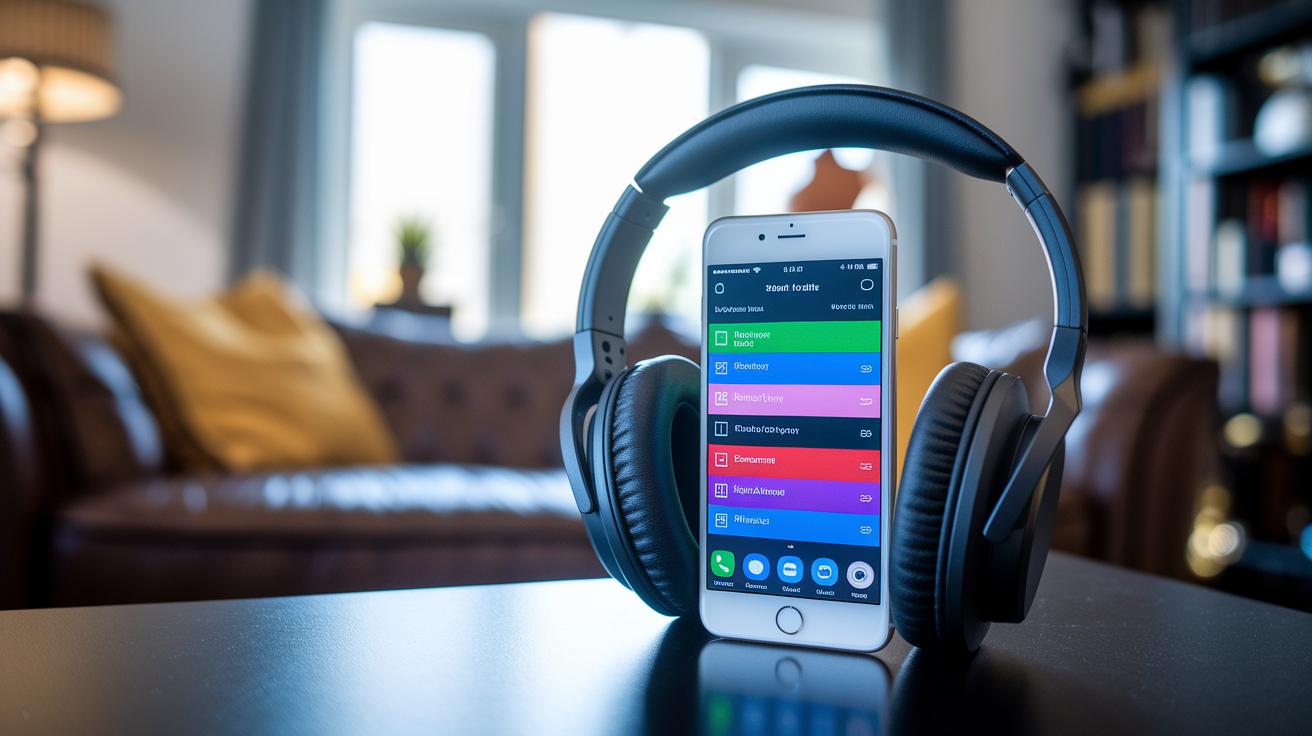
Motorola pairs those displays with category-leading stereo speakers. Tuning is done in partnership with Dolby Atmos on many models, resulting in crisp highs and a touch of bass that belies chassis thickness. Call quality, too, benefits from loud earpieces and effective noise cancellation. Under the hood, batteries span 4,400 mAh to 5,000 mAh, enough for a full day of 120 Hz TikTok doomscrolling or 8+ hours of navigation. TurboPower charging ranges from 30 W on affordable phones to 125 W on the Edge 30 Ultra, filling 50 % in fifteen minutes. Wireless charging remains limited to flagships, an omission budget buyers forgive.
MYUX: Clean, Familiar, But Update Laggard

MYUX is Motorola’s ace and Achilles’ heel. On the one hand, it keeps Google’s Material You intact while adding thoughtful tweaks, gestures for flashlight, Peek Display for quick notifications, and sandboxed Ready For desktop mode. Setup is bloat-free and first-boot storage isn’t chewed up by ads. On the other hand, the company promises only one major Android version upgrade on most mid-rangers, far behind Samsung’s four-year pledge. Security patches arrive quarterly at best. Competitors that once shipped clunky skins now leapfrog Moto on longevity, eroding the brand’s “clean and reliable” marketing message with every month of silence.
Cameras: 4K Ambition vs Everyday Reality
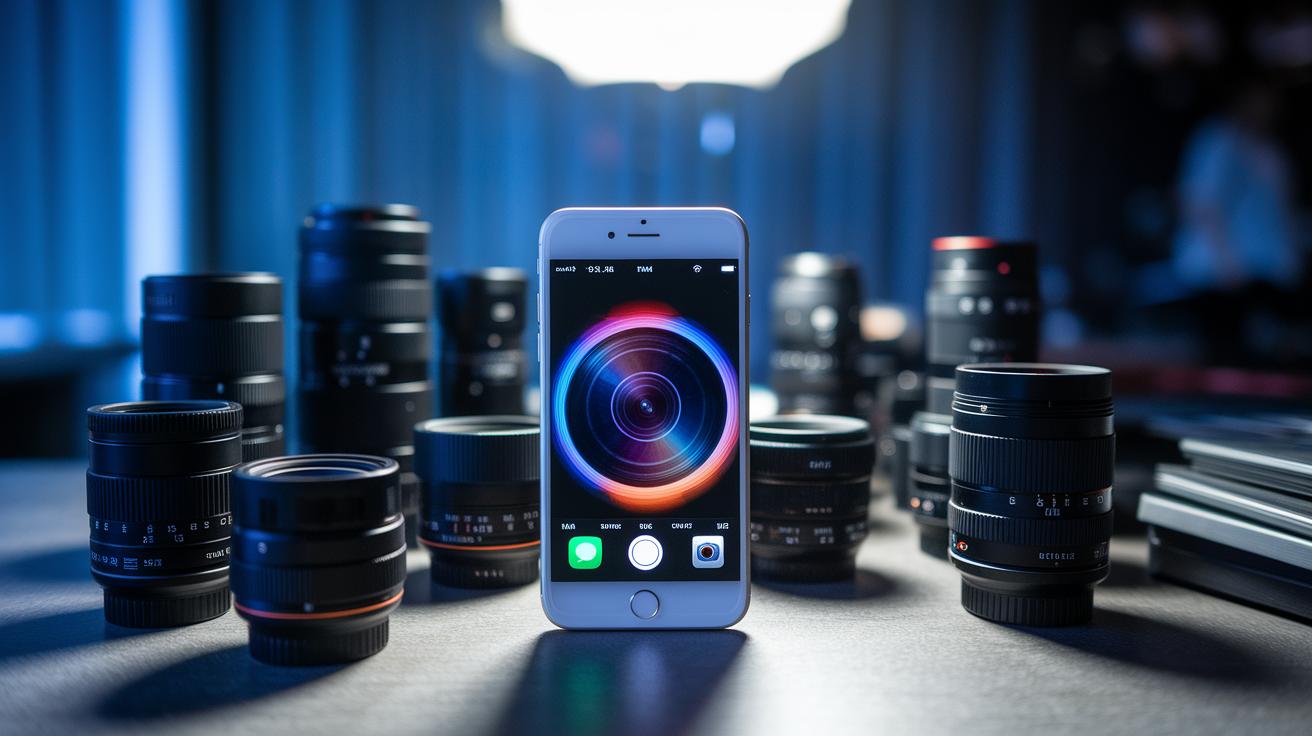
Spec sheets boast 4K video across all lenses above ₹25,000, yet still photography remains Motorola’s sore spot. Most mid-tier models use identical 50-megapixel Samsung sensors with generic f/1.8 optics, resulting in soft textures, inconsistent white balance, and aggressive noise reduction after dusk. The circular punch-hole cut-out, repeated on nearly every sub-₹30K device, signals cost cutting more than design unity. Ultra-wide lenses double as macro shooters but struggle with edge distortion. The camera app is intuitive, however, and third-party mods like GCam instantly elevate output, proof that better image processing, not hardware, is the missing piece.
Chip Choices: Snapdragon 695 Fatigue
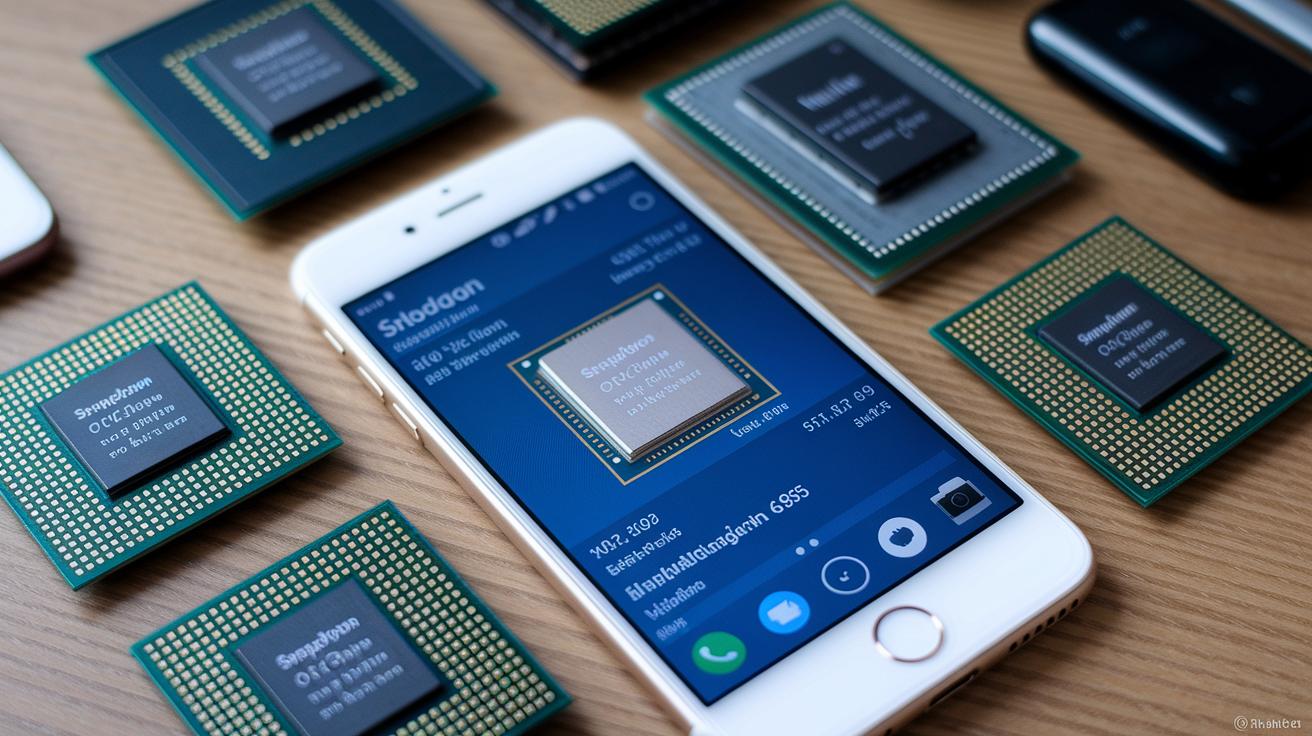
Motorola’s love affair with Qualcomm’s Snapdragon 695 is wearing thin. Once hailed for 6-nm efficiency and solid 5G bands, the silicon now bottlenecks gaming and camera pipelines when paired with 120 Hz screens. Geekbench scores lag behind MediaTek Dimensity 810 and Snapdragon 778G, both now common in rival phones under ₹20,000. Consumers also complain of throttling during long video shoots. In fairness, Moto uses the flagship Snapdragon 8+ Gen 1 in the Edge 30 Ultra, but inconsistent chipset selection across the catalogue makes pricing feel arbitrary. If Motorola wants to woo enthusiasts again, it must diversify beyond the 695.
Marketing Misfires: The Case of the Forgotten RAZR

Specs alone don’t sell phones; stories do. Unfortunately, Motorola’s storytelling in India has been muted. The premium Edge 30 Ultra launched with headline-grabbing 200-megapixel sensor but saw almost no influencer partnerships or operator bundles afterwards. Foldables like the 2023 RAZR received splashy U.S. billboards yet landed quietly on ecommerce portals here without retail demos. Compare that to Samsung’s live experience zones or OnePlus’ pop-up events and the gulf is obvious. Lack of mindshare trickles down: if aspirational models feel invisible, budget Motos lose their halo effect. Stronger regional campaigns and post-launch firmware pushes could keep interest alive.
Fixing the Sub-₹20,000 Segment
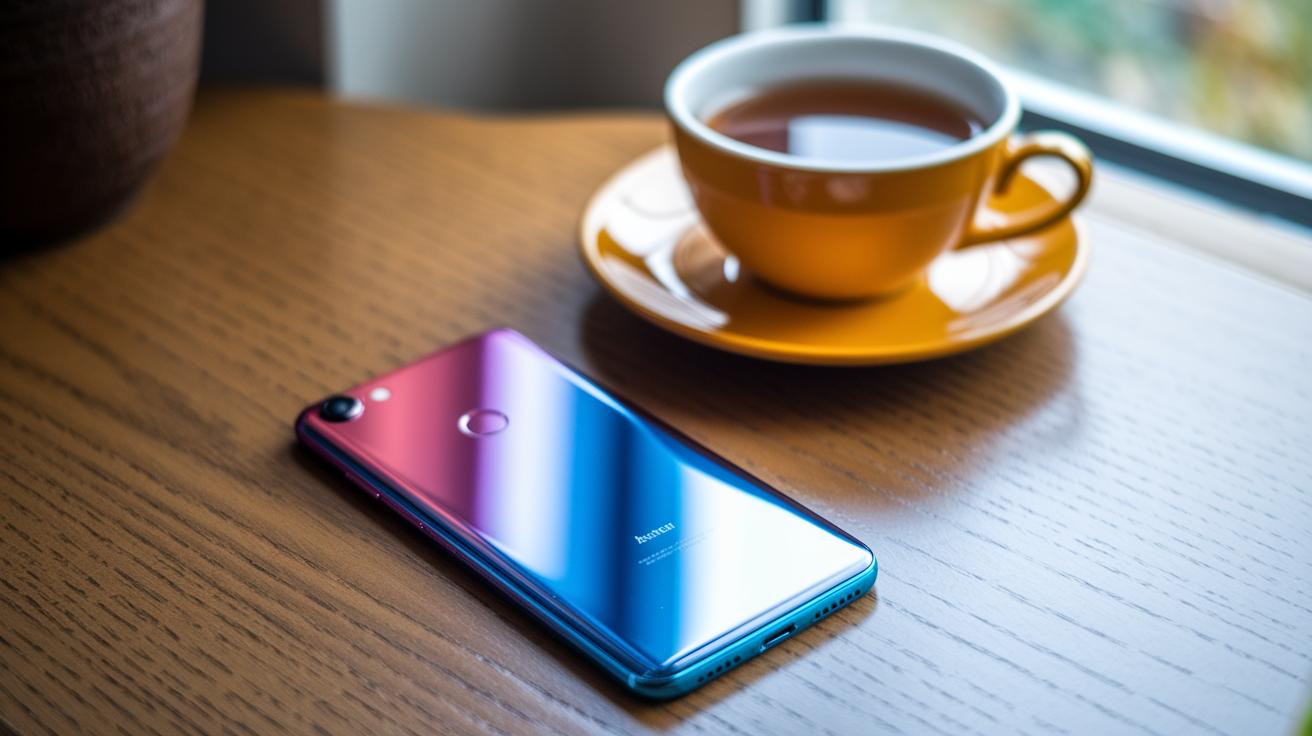
In India, volume lives below ₹20,000, and that’s precisely where Motorola feels dated. The Moto G32 and G62 offer dependable batteries but, beyond clean software, fail to excite. A refreshed design language, higher-end Dimensity chipsets, and optical image stabilisation on the main sensor would shake the category. Emphasising IP rating, dual speakers, and 120 Hz displays, already Moto strengths, could further differentiate. Localised colours, Bollywood tie-ins, and exchange incentives would round out the package. The goal: give first-time smartphone buyers a reason to choose Moto over Redmi and Realme, not just nostalgia for the original Moto G.
Five Steps Motorola Must Take Before 2024

Motorola can still reclaim its mojo. First, commit to at least three years of OS updates; the infrastructure exists thanks to Lenovo’s PC patch systems. Second, diversify chipsets, Dimensity 920 or Snapdragon 7+ Gen 2 would revitalise mid-ranges. Third, partner with Indian content studios to tune cameras for local skin tones and street lighting. Fourth, launch a dedicated trade-in program targeting aging Redmi Note models, seeding millions of potential switchers. Finally, synchronise global and Indian launches so hype built on YouTube leaks converts into direct sales. Execute these five moves and the iconic batwing logo could soar again in 2024.