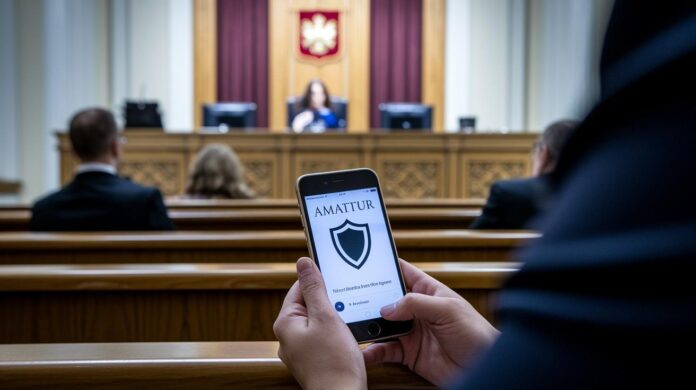

Ever wonder if your privacy is really safe when your sensitive data is involved? The Privacy Protection Act is like a trusted friend watching your back. It makes sure that law enforcement uses proper steps, such as subpoenas, rather than sneaking in with surprise searches.
This law lets journalists work freely without constant worry about unexpected intrusions. It gives reporters a way to challenge any misuse of power and keep their work secure.
Curious how this act keeps our free press strong and our rights safe? Let’s explore how it supports our legal protections and strengthens a secure news environment.
Privacy Protection Act: Purpose and Key Provisions
The Privacy Protection Act was set up on January 2, 1980, and it acts as a strong legal shield for journalists and news outlets. It makes sure that law enforcement can’t just barge into newsrooms or reporters’ homes to grab material meant for public sharing, like notes or confidential details that will eventually see the light of day.
Instead of a search warrant, police must use subpoenas or court orders when they want access to a reporter’s work. Picture a reporter handed a subpoena for private interviews. They get a chance to ask a judge to review the request before any materials are handed over. This helps keep the news gathering process independent and the freedom of the press safe.
The law also offers a way for journalists to stand up for themselves. If government officials overstep, journalists can claim compensation for both real losses and extra penalties, along with money for attorney fees. This not only protects important journalistic work but also discourages improper actions by law enforcement.
Newsrooms are encouraged to set up clear internal rules and train their staff on handling legal requests. These steps help nurture an environment where open communication is safe, and journalists can do their job without constantly fearing unwarranted government intrusions.
Historical Origins and Legislative Background of the Privacy Protection Act

Before the law, journalists often faced unexpected searches that could expose sensitive work without proper oversight. Back in the late 70s, a Supreme Court decision, Zurcher v. Stanford Daily (436 U.S. 547, 1978), shined a harsh light on how law enforcement could barge into newsrooms and grab unpublished materials. This eye-opening case pushed Congress into action.
On January 2, 1980, lawmakers responded by passing the Privacy Protection Act unanimously in both the House and Senate. They wanted to set clear rules so authorities now have to use court orders or subpoenas instead of search warrants. By doing this, the law helps protect journalists and their sources, ensuring that reporters can do their work without worrying about unexpected government intrusions.
| Key Element | Details |
|---|---|
| Enactment Date | January 2, 1980 |
| Landmark Case | Zurcher v. Stanford Daily (436 U.S. 547, 1978) |
| Congressional Action | Unanimous passage in both chambers |
| Legal Requirement | Use of court orders or subpoenas instead of search warrants |
Enforcement Mechanisms and Compliance Requirements Under the Privacy Protection Act
Newsrooms can pause immediate action on legal requests to allow a court review. For instance, when you get a subpoena, jot down its details and reach out to your legal team for a quick review before doing anything else.
A good plan during any legal challenge is to use a step-by-step checklist:
- Check the details of the subpoena or warrant.
- Let your designated legal contact know right away.
- Gather any documents that help explain the request.
- Ask the court for a protective review.
For example, when a newsroom gets a legal demand, start by writing down the key points, like, "Received a subpoena today asking for unpublished interviews." Then, use that note as a guide during your consultation with legal counsel.
Having clear internal policies and regular staff training is essential. These steps help your team respond quickly, stay on the same page, and keep sensitive materials safe.
Protections for Journalists in the Privacy Protection Act

This law gives journalists a clear way to fight back when authorities overstep. It lets media professionals defend unfinished work, like a freelance reporter gathering witness interviews during live events. Imagine Emma, a local correspondent who kept her interviews safe on her phone. When officials tried to grab them without a court order, she firmly said no.
It also makes sure that reporters can hold onto their raw materials until they decide it’s time to share. Whether covering local protests or doing undercover work, journalists keep control of their sensitive recordings and notes.
| Scenario | Protection Provided |
|---|---|
| Local protest coverage | Reporters can refuse searches of their devices without proper approval. |
| Undercover investigations | Media professionals maintain control over unfinished recordings. |
Comparing the Privacy Protection Act with Modern Federal Privacy Legislation
The Privacy Protection Act is all about defending a reporter's work in progress and the sensitive information they handle. It protects journalistic materials under the First Amendment so that media professionals can work without fear of their work being exposed too soon. Think of it like safeguarding a cherished family recipe that’s still being perfected.
In contrast, the American Data Privacy and Protection Act (ADPPA) is focused on everyday consumer data. It looks out for your rights to access, move, or even delete your personal information. Imagine a newsroom handling a breaking story versus a company managing personal data, one is all about protecting creative work, and the other is about securing your digital life.
The ADPPA is America’s first big step toward a broad federal consumer privacy law. It bundles together measures that let the Federal Trade Commission enforce rules and gives regular folks the power to take legal action if needed. On the other hand, the Privacy Protection Act takes a narrow approach, specifically shielding media professionals by ensuring that law enforcement needs to go to court or get a subpoena before accessing private materials.
| Aspect | Privacy Protection Act | ADPPA |
|---|---|---|
| Focus | Journalistic protection | Consumer data rights |
| Scope | Limited to protecting press materials | Wide-ranging rules for everyday data |
| Enforcement | Court reviews and subpoenas | FTC oversight and private legal action |
For example, if a freelance reporter is served a subpoena under the Privacy Protection Act, they can push back through a judicial review. This kind of legal safeguard isn’t available under the consumer rules of the ADPPA. It lets media professionals protect their work, keeping the news process safe and secure.
So, while federal laws like the ADPPA work to defend our consumer rights in a digital world, the Privacy Protection Act remains uniquely focused on guarding the vital work of our press. Have you ever wondered if your data or creative work has the protection it truly needs? Each approach serves different needs, ensuring that whether it’s news or personal information, there’s a system in place to keep things safe.
Final Words
In the action, this blog post highlighted the evolution and purpose of the privacy protection act. It explained how the Act shields journalistic materials and detailed its enforcement and compliance steps. The discussion also compared this law with modern federal privacy rules, offering clarity and insight into its unique role in digital security. The content made complex legal details feel approachable, ensuring you leave with a solid grasp on protecting sensitive information and maintaining a secure digital presence. Stay positive and remain informed!
FAQ
What does the Privacy Protection Act do?
The Privacy Protection Act provides journalists and newsrooms legal safeguards by restricting law enforcement from seizing unpublished work without proper judicial process, thereby protecting press freedom and First Amendment rights.
What is protected under the Privacy Act?
The Privacy Act defends unpublished materials and journalistic work product, ensuring confidential sources and pending news stories remain secure from unwarranted searches and seizures by authorities.
What is the Privacy Protection Act of 1980?
The Privacy Protection Act of 1980 is a law enacted to shield reporters and news organizations from intrusive government searches, reinforcing First Amendment protections for media freedom.
What is the Privacy Protection Act summary?
The act’s summary outlines its key points: it limits law enforcement actions against journalistic materials and provides civil remedies for violations, thus upholding media independence and legal recourse.
Where can I find the Privacy Protection Act pdf?
The full text of the Privacy Protection Act in pdf format is available on legal and government websites, providing access to the statute as it was originally enacted in 1980.
What are the three federal laws to protect privacy?
Three federal privacy laws include the Privacy Act of 1974, the Privacy Protection Act, and the American Data Privacy Protection Act, each addressing unique privacy concerns for individuals and organizations.
What are the three rights under the Privacy Act?
The three rights under the Privacy Act are the control over personal records, the right to access and correct personal information, and protection against unauthorized disclosures of that information.
What is a violation of the Privacy Act?
A violation of the Privacy Act occurs when protected information is accessed or disclosed without authorization, thereby breaching legal safeguards established to secure individual privacy and journalistic materials.
What is the Privacy Protection Act 2020, 2021, or 2022?
References to the Privacy Protection Act in 2020, 2021, or 2022 generally relate to discussions or updates about privacy protections that build on the foundational law established in 1980.
What is the American Data Privacy Protection Act?
The American Data Privacy Protection Act is a proposed federal law aimed at extending consumer privacy rights, emphasizing data access, portability, and deletion, and complementing existing privacy statutes.