

Back in 2020, Samsung’s Galaxy S20 rolled out with specs most reviewers called “overkill.” Twelve gigabytes of RAM, a razor-sharp QHD+ display on a palm-sized screen, and a slippery glass back were billed as luxuries nobody asked for. Critics warned buyers not to trust Samsung’s promises and, for the first time in a decade, many tech writers flat-out told readers to skip the flagship. Those hot takes reverberated across forums and comment sections, painting the S20 as proof that Samsung had lost touch with real-world needs. It set the stage for a turbulent four-year journey of cost-cutting, redesigns, and shifting sales.
The Cost-Cutting Kick-Off
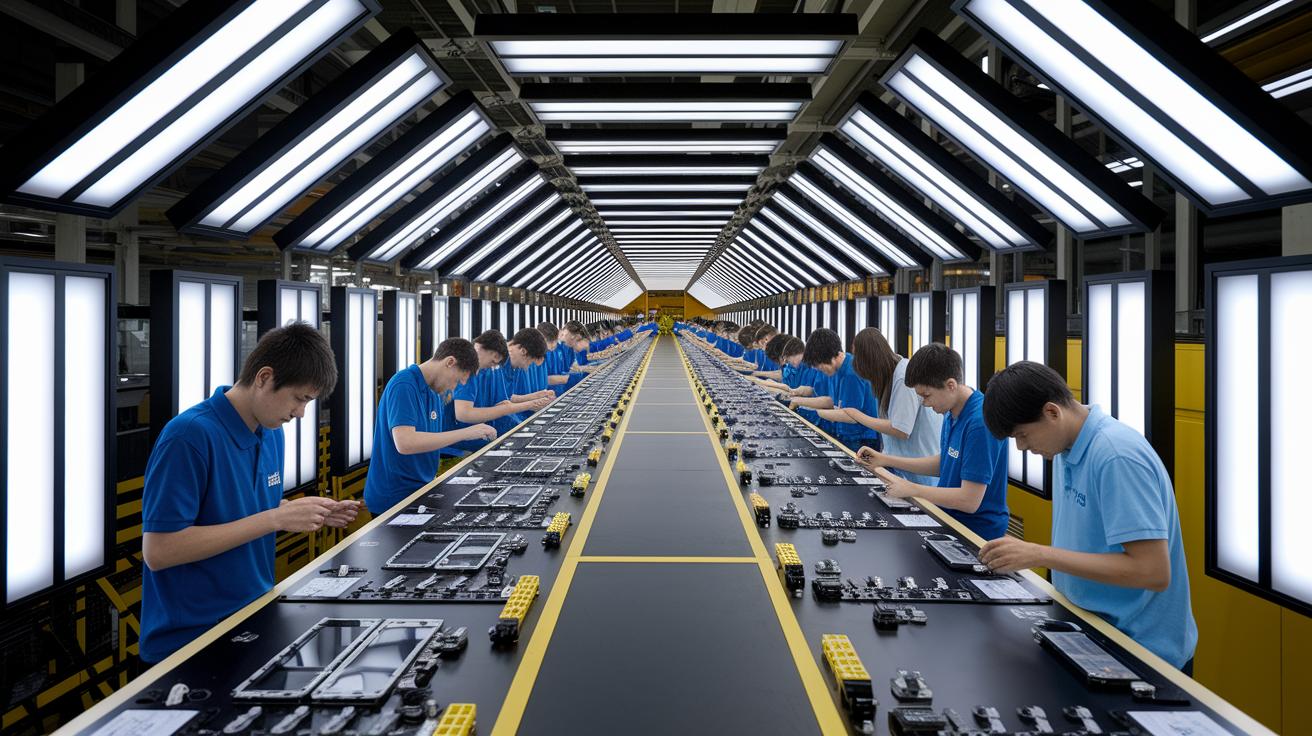
Samsung’s first response to the S20 backlash was simple: spend less building phones. Executives trimmed every line item they could, packaging, accessories, even employee travel, hoping lower costs would soften criticism about overpriced specs. Internally, the mantra became “deliver only what people notice.” Out went premium parts that couldn’t be marketed in a billboard headline; in came bean-counter targets and supply-chain bargains. Critics thought this thrift would drop prices dramatically, but most savings never reached store shelves. Instead, Samsung used the margin buffer to keep profits steady while bracing for uncertain demand, a move that altered its flagship strategy for years.
When Enthusiasts Questioned Samsung’s Direction

The conversation shifted from hardware to identity. Tech forums lit up with posts asking whether Samsung was still an innovator or just a fast follower. The company had once promised foldables, graphene batteries, and camera sensors that beat DSLRs. After the S20, those dreams looked delayed indefinitely. Marketing teams scrambled, emphasizing "what the average user wants", battery life, reliability, and price, yet longtime fans felt alienated. Retail partners reported indecision at the counter: people loved Samsung’s brand but hesitated to pull the trigger, worried today’s flagship would be tomorrow’s regret. The trust gap, not the spec sheet, became Samsung’s biggest hurdle.
S21: The Year of Plastic and Budget Specs
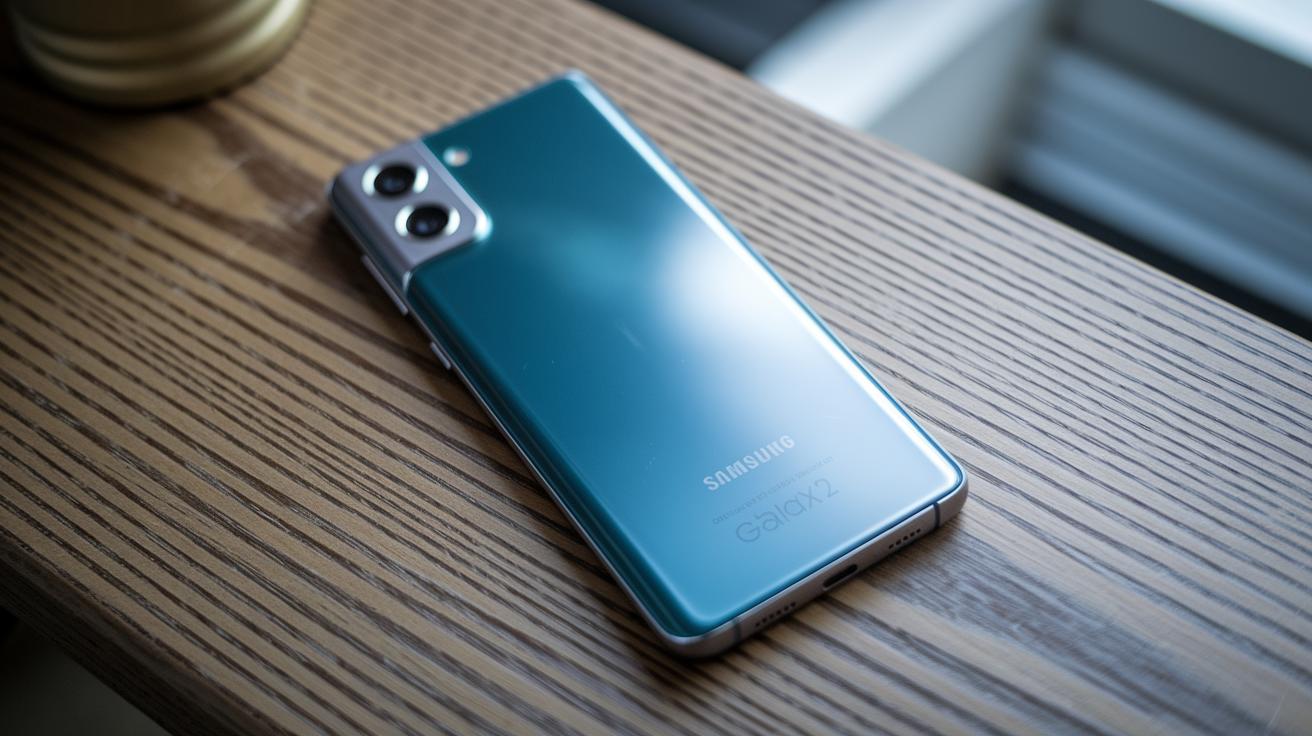
Enter Galaxy S21. Samsung shaved RAM down to 8 GB, ditched curved glass for a flat FHD+ panel, and swapped the premium glass back for polycarbonate. On paper, these cuts allowed a friendlier launch price, but headlines screamed “downgrade.” Shoppers noticed the compromise when they held the lighter, plasticky phone in-store. Reviewers applauded value yet warned of longevity concerns. Despite aggressive carrier promos, the S21 moved fewer units than the S20. The takeaway for Samsung was painful: cheaper parts didn’t guarantee higher volume. Consumers still expected aspirational design from a flagship, even if spec sheets looked sensible.
S22: New Look, Same Sales Slump
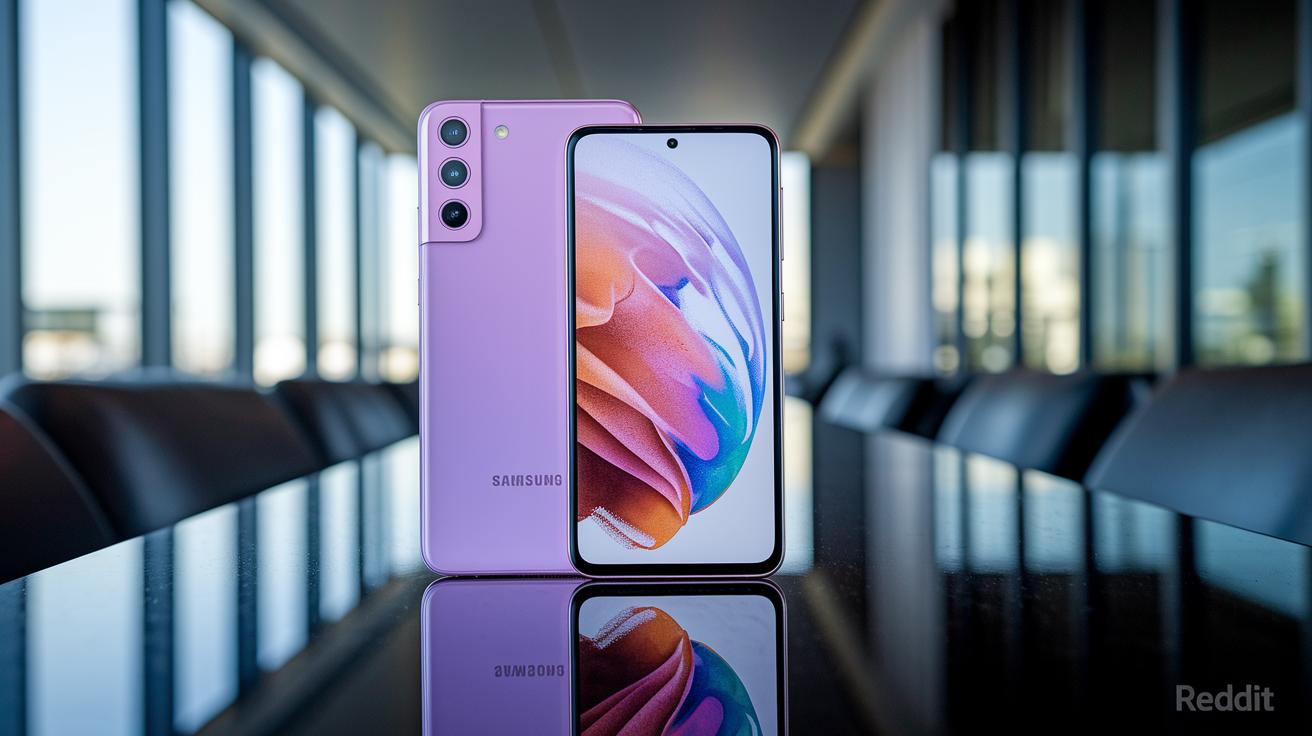
Samsung tried course-correction with the Galaxy S22, introducing a refreshed industrial design, rebounding to an aluminum frame, and sprinkling in a few “flagship” extras like adaptive refresh and improved zoom. Tech reviewers praised the cleaner aesthetic, but the phone arrived into a saturated market where carrier upgrade cycles had lengthened. Supply-chain hiccups meant launch stock was tight, and early adopters faced shipping delays. By year-end, shipment data showed S22 sales dipping below even the S21. The redesign won style points but couldn’t reverse momentum, underscoring that looks alone can’t overcome lingering skepticism from earlier missteps.
S23: Storage Boost Can’t Save the Day

For 2023’s Galaxy S23, Samsung kept most specs steady yet doubled base storage to 256 GB, an unmissable number on ads and retail tags. It also standardized faster UFS 4.0 memory and shipped Snapdragon chips globally. Reviewers lauded the snappier performance and extra room for 4K video, but headlines still called the upgrade “iterative.” Consumers who had skipped the S21 and S22 were holding out for something truly new, not just more gigabytes. Despite generous trade-in deals, shipment estimates again dropped, proving that spec tweaks without a compelling narrative can feel like déjà vu in an annual release cycle.
S24: Going Premium Pays Off
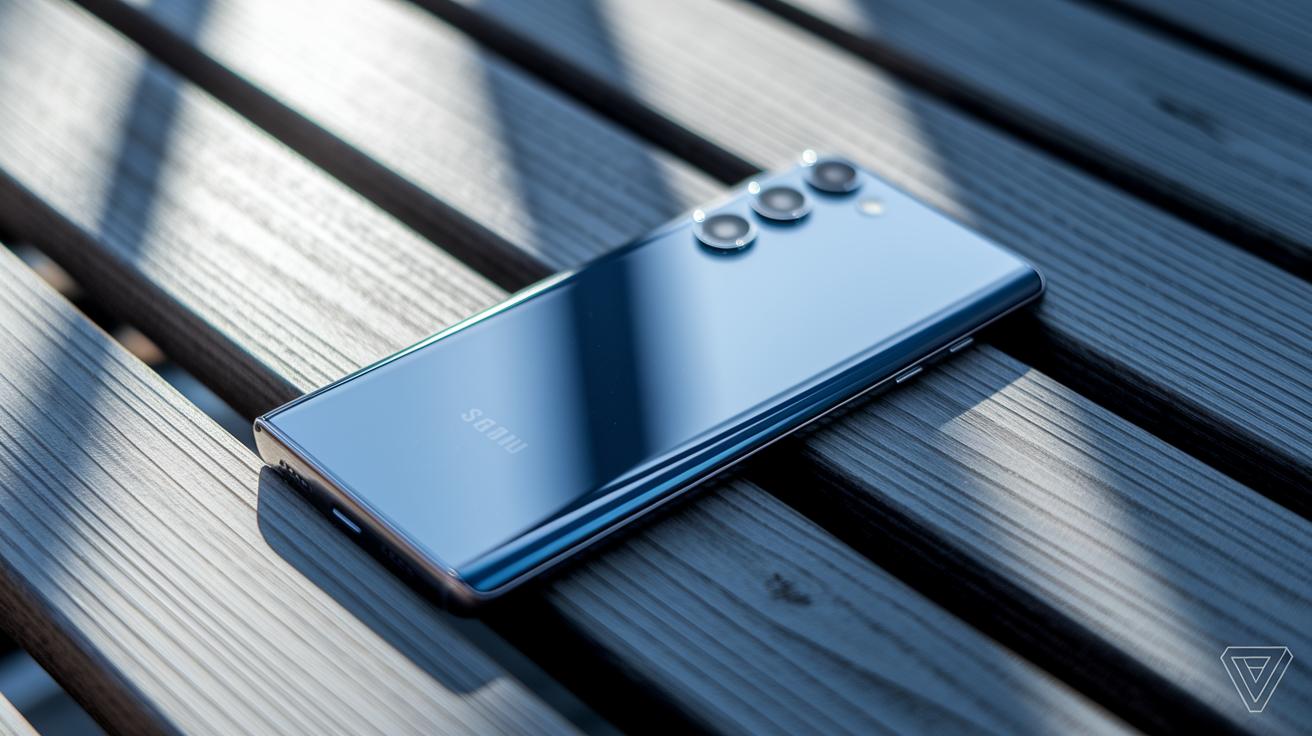
With the Galaxy S24, Samsung went back to its roots: bigger ambitions. RAM climbed to 12 GB across the board, displays returned to true flagship QHD+ with 2,600-nit brightness, and titanium frames signaled luxury. Prices inched higher, yet pre-orders spiked. Analysts credit three factors: clear messaging about tangible upgrades, pent-up demand after two cautious cycles, and finally embracing premium rather than apologizing for it. By mid-year, the S24 line recorded the highest sales since 2019’s S10, illustrating that buyers will pay for excellence if they believe it’s real, not simply marketing fluff or cost-cut compromises.
Why Price Was Never the Problem
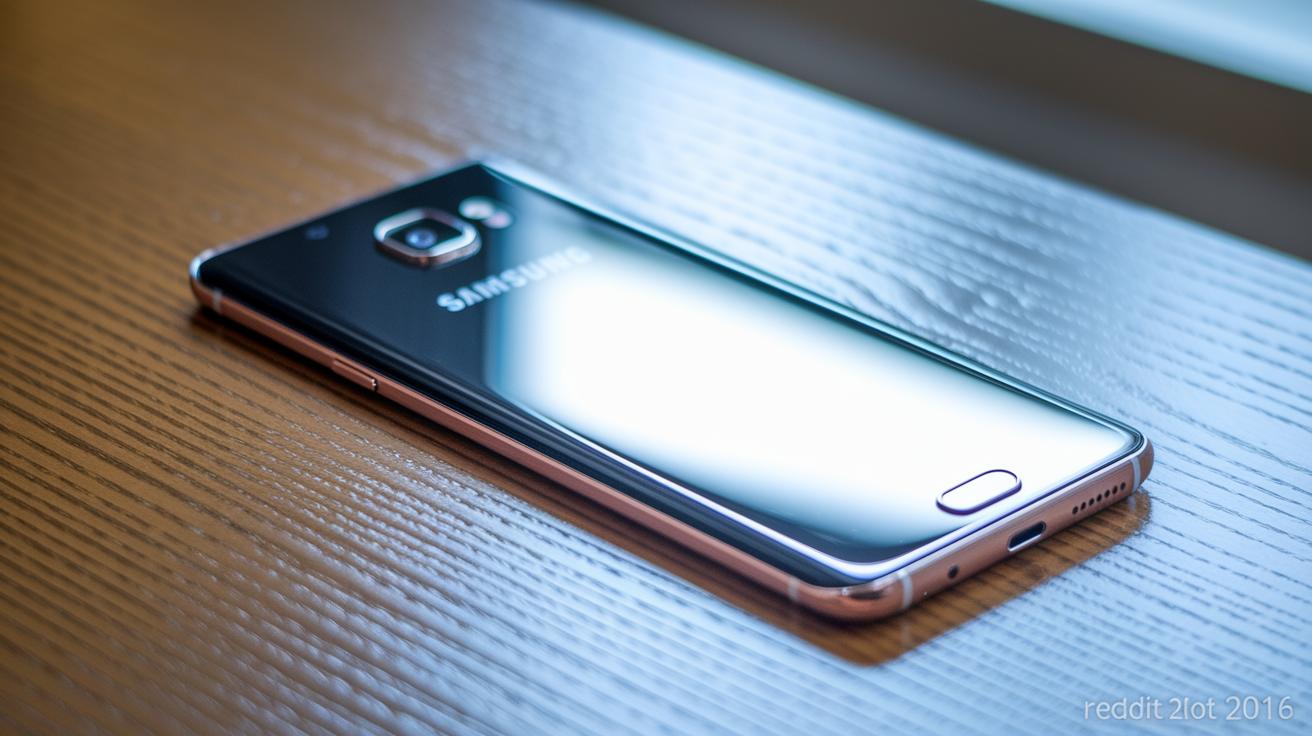
Looking back, Samsung’s roller-coaster wasn’t driven by raw pricing but by perception. Reviewers obsessing over “unnecessary” specs inadvertently taught mainstream shoppers to equate innovation with waste. Once that seed was planted, even reasonable compromises felt like downgrades, while modest upgrades seemed uninspired. The S24’s success suggests consumers crave vision, not penny-pinching. When a flagship feels purposeful, whether that’s bleeding-edge displays, beastly cameras, or future-proof RAM, people happily finance it over 24 months. The real lesson: listen to feedback, yes, but don’t abandon ambition; otherwise, you risk losing the very excitement that makes a flagship worth its premium.