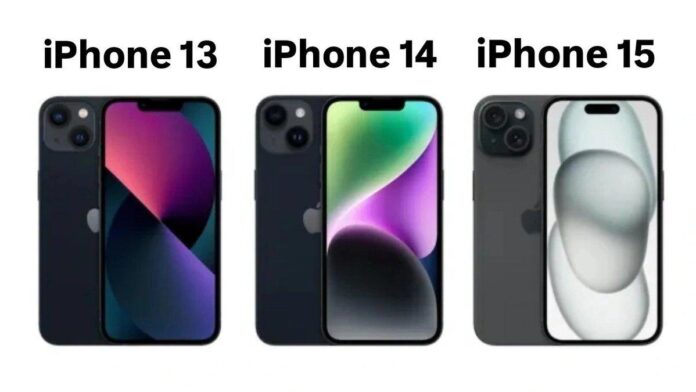

High street retailers and online flash sales keep dangling discounted iPhone 13, 14 and 15 models in front of us, but hot-weather users may be walking into a trap. From throttled performance to charging that simply cuts out, last-generation iPhones can struggle once the mercury rises. If you live where summer temperatures regularly flirt with—or surpass—40 °C, understanding heat management is as important as understanding storage tiers. The following sections break down the biggest pain points, the science behind them, and smarter alternatives for anyone shopping on a budget.
Why Your Next iPhone Purchase Needs a Reality Check

You’re shopping for a new iPhone, and every deal site keeps pushing last year’s iPhone 15 or, worse, the iPhone 13. On paper the prices look sweet, but before you hand over your credit-card number remember these handsets were engineered for moderate California sunshine, not the brutal 40-plus-degree highs many of us face each summer. Overheating leads to lag, failed recordings and missing battery percentage faster than you can say “AirPods.” The money you think you’re saving up front may vanish in frustration, cables and emergency power banks. Start your research here before you make an expensive mistake.
When 40 °C Feels Like 80 °C Inside Your iPhone
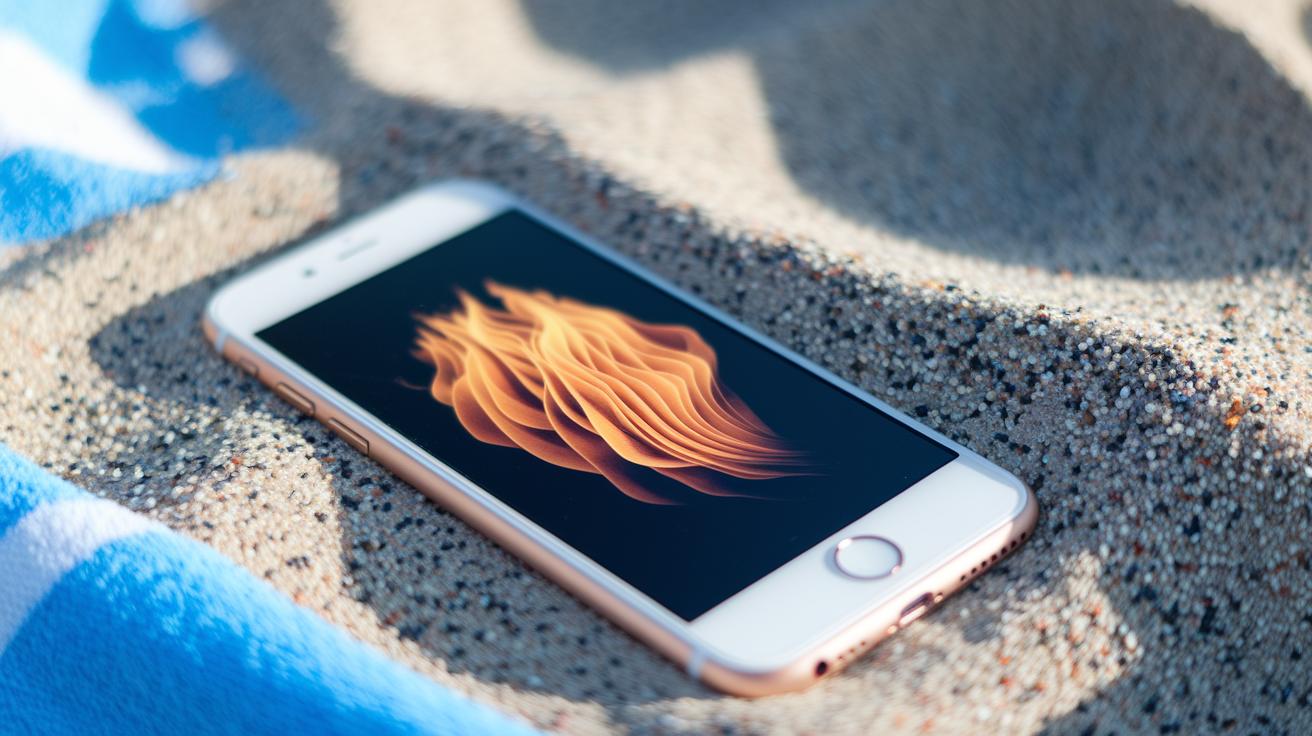
Smartphones generate their own heat, but the A15 and A16 chips inside older models already run hotter than Apple cares to admit. Add an asphalt-melting afternoon commute or a beach holiday and the phone’s internal sensors will throttle performance within minutes. Screen brightness drops, 5G radios downshift, and the frame becomes too hot to touch. Unlike many Android rivals, the iPhone lacks vapor-chamber cooling, so heat simply has nowhere to go. That means your ultrafast CPU turns into a budget processor just when you need directions, payments or an emergency call. In short: summer weather cancels flagship speed.
Charging Grief: From Tortoise Speed to Total Shutdown

Charging is supposed to be the one time your phone recovers, yet heat turns topping up into a painful waiting game. iPhones 13 through 15 sip a maximum of 20–30 W, already half the rate of mainstream Android handsets. As soon as the temperature sensor detects 35 °C, iOS pops up a warning and pauses charging entirely until the cell cools. That can strand you at 5 % battery in a café with no air-conditioning and no way to restart navigation. Worse, the device continues to bake while connected, extending the downtime. Forget quick pit stops; think hours tethered to a wall.
The Lightning Cable Maze You Didn’t Sign Up For

For anything older than the iPhone 15, Apple’s stubborn Lightning port piles on extra inconvenience. Friends lend Type-C cables? They won’t fit. Power-bank at the kiosk? Wrong connector. Need video out to a monitor? Enjoy buying a proprietary dongle. Because heat shortens battery life, you’ll be topping up more often, yet you must remember to carry that single, fragile wire everywhere. Lose or damage it and you’re instantly offline. Meanwhile, third-party Lightning accessories are being phased out, so prices creep upward. A modern port isn’t just nicer; in 2024 it’s a survival feature your sweaty commute will make you crave.
Content Creator? Heat Will Steal Your Best Shots
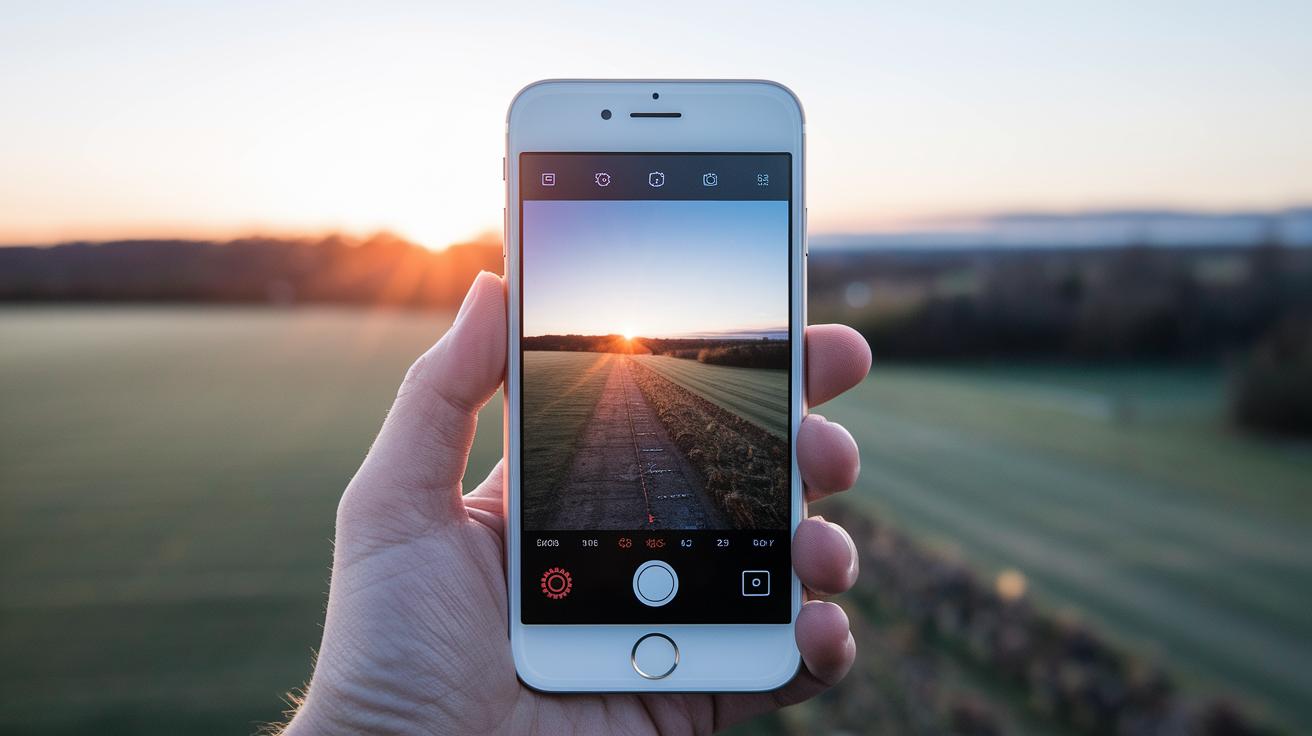
Video creators love the iPhone’s color science and sensor-shift stabilization, but all that imaging muscle is useless when thermal throttling steps in. Record a 4K 60 fps clip in mid-day sun and the camera app can crash before you hit the one-minute mark. Even if it stays open, the frame rate dips and autofocus hunts, leaving you with wobbly, unusable footage. External mics and gimbals add more heat, exacerbating the spiral. Ask yourself: Will your audience notice slightly better dynamic range, or will they click away when the video freezes? Reliability, not megapixels, is the real budget-creator’s friend.
Should You Wait for iPhone 16 or Look Elsewhere?

Apple’s preliminary tests suggest the upcoming iPhone 16 adopts a redesigned metallic chassis and larger graphite pads to spread heat more evenly. Early reviewers report noticeably fewer throttling warnings in the same weather that crippled older models. Of course, a brand-new flagship costs more, but so do replacement batteries, emergency chargers and missed work opportunities. If the 16 is beyond your budget, consider a mid-range Android with a Snapdragon 7+ Gen 3 and 80 W charging, still cheaper than an iPhone 15 and far better cooled. Whichever route you take, prioritize thermal management; your summer sanity depends on it.