

Have you ever stopped to think how a phone in one part of the world can chat with a device on the other side? Wireless technology makes this possible by sending voices, texts, and videos on invisible waves, kind of like how a radio sends music through the air. It connects our homes, offices, and even entire cities without any wires tying us down. In this post, we're going to explore how wireless tech is changing the way we communicate, making global connections easier and more exciting for everyone.
Wireless Technology Fundamentals and Benefits
Wireless communication lets devices talk without any wires. It turns our words, whether spoken or written, into electromagnetic signals. This process makes our everyday exchanges smoother and supports many of the conveniences we enjoy.
Think of a wireless system as having four main parts: a transmitter, a receiver, a medium, and a signal. The transmitter is like a phone speaker that sends out your voice. The signal, which could be your voice, text, video, or data, is loaded onto electromagnetic waves that travel through the air. Meanwhile, the receiver picks up these signals, kind of like how an earbud microphone catches sound, making sure you get the message loud and clear.
This setup brings a ton of benefits. It gives you the freedom to move around, keeps operations running efficiently, and scales well from personal gadgets to big industrial systems. For instance, no cables mean you can use your smartphone anywhere, and large networks in offices or factories run smoothly with strong, clear communication. In short, wireless technology helps keep us all connected wherever we go.
wireless technology Empowers Global Connectivity
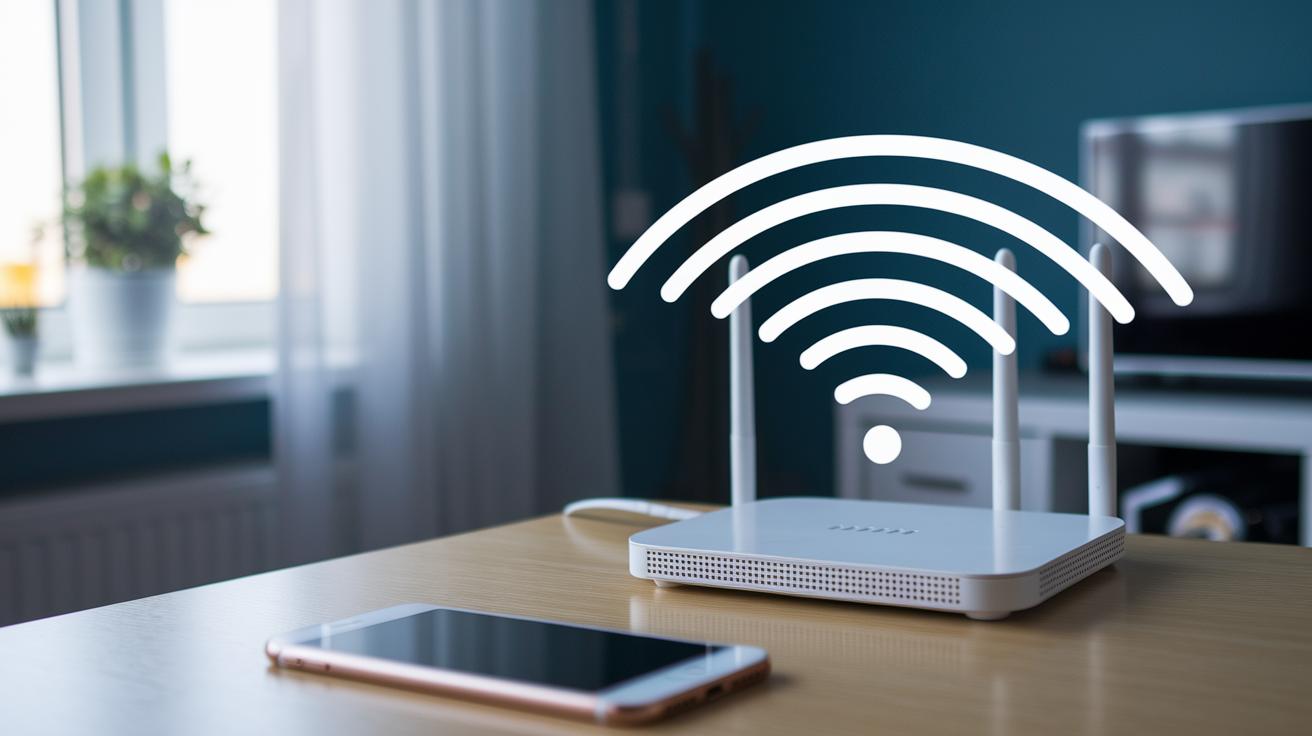
Wireless systems join devices all over the world. They help us send important messages and make smart gadgets work together smoothly. Different technologies play a key role by letting data zip quickly between countless everyday applications.
Radio Communication
Radio is one of the oldest ways to share information without wires. It sends sound using electromagnetic waves, kind of like how a walkie-talkie works when friends chat. This time-tested method is essential for everyday broadcasts and two-way talks.
Satellite Communication
Satellite communication sends signals from the ground up to satellites in space. These satellites then beam the information down to specific receivers. It helps with TV shows, GPS directions, and weather updates, making sure even far-off places get the info they need.
Cellular Networks
Cellular networks have evolved a lot, from old 2G systems to the fast speeds of 5G today. They split regions into small areas, so they can handle internet, calls, and text messages quickly. This network keeps our mobile communications steady and available nearly everywhere.
Wi-Fi Communication
Wi-Fi gives us internet access without cables. It works by sending data over short distances, making it common in homes, offices, and public spots. It’s perfect for streaming videos or browsing online, creating fast and flexible, cable-free spaces.
Bluetooth Communication
Bluetooth is great for linking personal devices like headsets, phones, and smartwatches. It works over short ranges and uses little energy. This makes it ideal for everyday gadget connections that need to work closely together.
Infrared Communication
Infrared uses light signals to send messages when devices are close and in direct view of each other. You see it in things like TV remotes, where simple commands travel over a tiny distance. Its straightforward design makes it perfect for specific, targeted tasks.
| Type | Typical Range | Data Rate | Common Use Cases |
|---|---|---|---|
| Radio | Several km | Low-Moderate | Broadcasting, walkie-talkies |
| Satellite | Global | Moderate | TV, GPS, weather forecasting |
| Cellular Networks | Varies | High | Voice, messaging, mobile data |
| Wi-Fi | Up to 100m | High | LAN internet access |
| Bluetooth | About 10m | Low | Personal device pairing |
| Infrared | Very short | Low | Remote controls |
Wireless Technology in IoT: Balancing Range, Bandwidth, and Power
IoT devices need to chat fast and securely with one another. They rely on sensors, routers, and platforms working together to send data for monitoring and control. Energy-smart techniques help battery-powered sensors last longer, while remote access lets controllers keep an eye on systems far away. Whether it’s a bustling smart city or a busy factory floor, matching the right range, data speed, and power is essential.
Different wireless options come with their own strengths and little challenges. Cellular choices, like 3G, 4G, and 5G, deliver fast data but tend to use more power. Wi-Fi offers quick transfers over short distances but can drain small batteries rapidly. For longer ranges, LPWAN technologies such as Cat-M1 and NB-IoT are ideal when you don’t need huge amounts of data. And then there’s LoRaWAN, which impresses with its long range and low energy use, even if it sends smaller packets of information. Each option strikes a unique balance between distance, speed, and battery life.
Choosing the right approach means matching each protocol to its needs. For high data volumes and speedy transfers, cellular or Wi-Fi might be your go-to. For devices that need to run longer on a small battery and cover wide areas, LPWAN or LoRaWAN clearly stands out. Consider factors like battery capacity, deployment cost, and the environment to keep your IoT network smooth and efficient. It’s really about picking the right tool for the task at hand.
Wireless Technology Trends: 5G Networks and Alternative Protocols

5G networks are changing the way we connect. They can deliver speeds up to 10 Gbps and make delays almost disappear, less than 1 ms! Imagine watching ultra-high-definition videos or controlling important systems without waiting. This technology makes everything faster and smoother, from remote surgeries to immersive virtual worlds.
NB-IoT and Cat-M1 are designed for low-power, wide-area needs. They work great for smart city devices or industrial sensors that stay on batteries a long time. These protocols send small data packets reliably while saving energy. Think of them as the smart solution behind efficient irrigation systems or parking sensors that last for ages.
LoRaWAN is another cool protocol that covers long distances, up to 15 km, with very little power. It sometimes uses a cellular backhaul to mix long reach with steady connectivity. This makes it a top pick for creating networks that stretch across cities and remote areas. Even tiny battery-powered devices can stay connected for miles, making LoRaWAN perfect for large, interconnected systems.
Wireless Technology Hardware Essentials: Antennas, Connectors, and Accessories
Connectors are the unsung heroes in setting up wireless systems. They come in many types like BNC, FAKRA, FME, IPEX (MHF1, MHF3, MHF4), MMCX/MCX, Type-N, RP-SMA, SMA, TNC, and U.FL. Think of them as the plugs that interlock to create strong, clear links between devices. They keep digital signals steady and free from interference, much like a well-connected puzzle.
Antennas are key for sending and receiving signals effectively. They work across different frequency ranges such as 2.4 GHz, 5 GHz, and dual-band. Some antennas are designed for LTE/4G, GPS, 3G/GSM, LoRaWAN 900 MHz, and even cover 5G frequencies from 698 MHz to 6 GHz. Imagine adjusting a camera’s lens to get a perfect shot, that’s how these antennas focus and fine-tune wireless signals.
Accessories are vital for protecting and mounting your wireless equipment. Sturdy enclosures rated to NEMA or UL standards shield sensitive parts from weather and dust. Simple tools like cable glands and sealants add an extra layer of defense. Roof, pole, and magnetic mounts help keep everything in place, while surge protectors act like safety nets against unexpected power spikes.
Choosing the Right Wireless Technology for Your Application
Picking the perfect wireless setup is a lot like choosing the right tool from your toolbox. You need to think about how far the signal travels, how fast it can send data (we measure this in Mbps or Kbps), how much power it uses, the overall cost, and even where it will be used. Imagine each option as a tool with its own special job, from high-speed networks to setups that save energy.
Next, match your specific needs with the right technology. Wi-Fi is your go-to for busy offices and homes where a lot of data flows around. Bluetooth, especially its low-energy version, is ideal for personal gadgets that require minimal power. For widespread outdoor sensors, LoRaWAN does a great job, and 5G offers lightning-fast mobile broadband when you need robust, on-the-go connectivity.
Think about it this way: A business with several office locations might lean on cost-effective Wi-Fi to keep up with high data transfers. Meanwhile, a remote site with devices spread out over a large area could benefit from LoRaWAN, which helps save battery power while still covering vast distances. By aligning your needs with each technology’s strengths, you create a setup that really works for you.
Final Words
In the action, we unraveled the essentials of wireless technology, its core parts and standout benefits that keep our connected world running. We walked through how transmitters, receivers, and signal mediums work together and examined its many uses, from high-speed data exchanges to smart device interconnectivity. Insights into balancing power, range, and data rates alongside the latest trends like 5G leave us ready to face the digital future. Embrace these ideas to confidently shape a secure digital presence.